MENU

Bibliography Options Menu

The Electronic Scholarly Publishing Project: Providing world-wide, free access to classic scientific papers and other scholarly materials, since 1993.
More About: ESP | OUR CONTENT | THIS WEBSITE | WHAT'S NEW | WHAT'S HOT
ESP: PubMed Auto Bibliography 27 Oct 2026 at 02:01 Created:
Symbiosis
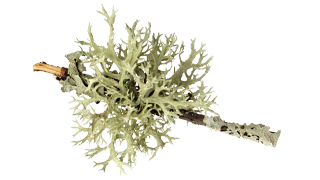
Symbiosis refers to an interaction between two or more different organisms living in close physical association, typically to the advantage of both. Symbiotic relationships were once thought to be exceptional situations. Recent studies, however, have shown that every multicellular eukaryote exists in a tight symbiotic relationship with billions of microbes. The associated microbial ecosystems are referred to as microbiome and the combination of a multicellular organism and its microbiota has been described as a holobiont. It seems "we are all lichens now."
Created with PubMed® Query: ( symbiosis[tiab] OR symbiotic[tiab] ) NOT pmcbook NOT ispreviousversion
Citations The Papers (from PubMed®)
RevDate: 2026-10-24
Seasonality of intra-organismal variations of antioxidant defenses of a symbiotic sea anemone from the Adriatic Sea.
Marine environmental research, 223:108452 pii:S0141-1136(26)00621-5 [Epub ahead of print].
Seasonal fluctuations in light and temperature were observed to cause oxidative stress in symbiotic cnidarians. We investigated region-specific and seasonal antioxidant responses and symbionts' traits (chlorophyll a, Symbiodiniaceae concentrations, mitotic index) in the temperate sea anemone Anemonia viridis, focusing on single antioxidants and total oxyradical scavenging capacity (TOSC) in tentacles and column regions of wild specimens. Symbiont density increased in tentacles during summer (32.3 ± 18 × 10[6] cells g[-1] Dry weight), coinciding with elevated mitotic index (6.8 %) and decreased chlorophyll a levels. In contrast, catalase activity reached 65 ± 14.6 μmol min[-1] mg protein[-1] in the column, over twice that in tentacles. TOSC towards hydroxyl radicals also increased in tentacles during summer (977 ± 162 UTOSC mg protein[-1]), indicating enhanced oxidative pressure in this season. Antioxidant activity declined in winter concurrently with reduced symbiont activity. Overall, these findings demonstrate anatomical compartmentalization and seasonal plasticity in antioxidant defenses, supporting holobiont resilience, with tentacles functioning as primary stress-buffering structures that localize and mitigate oxidative damage. These mechanisms may be critical for cnidarian survival in increasingly variable environments.
Additional Links: PMID-42925804
Publisher:
PubMed:
Citation:
show bibtex listing
hide bibtex listing
@article {pmid42925804,
year = {2026},
author = {Arossa, S and Cerrano, C and Benedetti, M and Roveta, C and Regoli, F and Di Camillo, CG},
title = {Seasonality of intra-organismal variations of antioxidant defenses of a symbiotic sea anemone from the Adriatic Sea.},
journal = {Marine environmental research},
volume = {223},
number = {},
pages = {108452},
doi = {10.1016/j.marenvres.2026.108452},
pmid = {42925804},
issn = {1879-0291},
abstract = {Seasonal fluctuations in light and temperature were observed to cause oxidative stress in symbiotic cnidarians. We investigated region-specific and seasonal antioxidant responses and symbionts' traits (chlorophyll a, Symbiodiniaceae concentrations, mitotic index) in the temperate sea anemone Anemonia viridis, focusing on single antioxidants and total oxyradical scavenging capacity (TOSC) in tentacles and column regions of wild specimens. Symbiont density increased in tentacles during summer (32.3 ± 18 × 10[6] cells g[-1] Dry weight), coinciding with elevated mitotic index (6.8 %) and decreased chlorophyll a levels. In contrast, catalase activity reached 65 ± 14.6 μmol min[-1] mg protein[-1] in the column, over twice that in tentacles. TOSC towards hydroxyl radicals also increased in tentacles during summer (977 ± 162 UTOSC mg protein[-1]), indicating enhanced oxidative pressure in this season. Antioxidant activity declined in winter concurrently with reduced symbiont activity. Overall, these findings demonstrate anatomical compartmentalization and seasonal plasticity in antioxidant defenses, supporting holobiont resilience, with tentacles functioning as primary stress-buffering structures that localize and mitigate oxidative damage. These mechanisms may be critical for cnidarian survival in increasingly variable environments.},
}
RevDate: 2026-10-24
Native AMF from wild Paeonia ostii enhance root development via PoCCD4-mediated hormone homeostasis and reshape rhizosphere microbiome assembly and function.
Plant science : an international journal of experimental plant biology pii:S0168-9452(26)00578-9 [Epub ahead of print].
Arbuscular mycorrhizal fungi (AMF) play vital roles in plant growth and rhizosphere microbiome assembly. Tree peony (Paeonia sect. Moutan DC.) is an economically valuable perennial crop, yet the symbiotic mechanisms between it and native AMF remain poorly understood. In this study, we surveyed the rhizosphere AMF community of wild P. ostii from its native habitat, and isolated two dominant species: Funneliformis mosseae and Claroideoglomus etunicatum. Inoculation with these AMF significantly improved root development and leaf photosynthetic efficiency. Furthermore, the promotion involved a novel pathway whereby carotenoid cleavage dioxygenase 4 (PoCCD4) mediated strigolactone and abscisic acid homeostasis in P. ostii roots. Beyond direct effects on host plant growth, AMF inoculation fine-tuned rhizosphere microbiota composition, reinforcing host-driven assembly and favoring beneficial consortia without altering overall diversity. Correlation analyses revealed that the AMF-shaped microenvironment established a disease-suppressive network linked to soil nutrient dynamics and phytohormone profiles. This study elucidates the interaction mechanisms between native AMF and P. ostii, uncovers their co-adaptive relationships, and offers a scientific basis for developing AMF inoculants for sustainable tree peony cultivation.
Additional Links: PMID-42925928
Publisher:
PubMed:
Citation:
show bibtex listing
hide bibtex listing
@article {pmid42925928,
year = {2026},
author = {Shao, Y and Wen, Z and Ye, C and Yang, M and Fuzzati, N and Zhang, B and Cavellec, C and Jiang, W and Li, L and Hao, Q and Shu, Q and Li, Y},
title = {Native AMF from wild Paeonia ostii enhance root development via PoCCD4-mediated hormone homeostasis and reshape rhizosphere microbiome assembly and function.},
journal = {Plant science : an international journal of experimental plant biology},
volume = {},
number = {},
pages = {113550},
doi = {10.1016/j.plantsci.2026.113550},
pmid = {42925928},
issn = {1873-2259},
abstract = {Arbuscular mycorrhizal fungi (AMF) play vital roles in plant growth and rhizosphere microbiome assembly. Tree peony (Paeonia sect. Moutan DC.) is an economically valuable perennial crop, yet the symbiotic mechanisms between it and native AMF remain poorly understood. In this study, we surveyed the rhizosphere AMF community of wild P. ostii from its native habitat, and isolated two dominant species: Funneliformis mosseae and Claroideoglomus etunicatum. Inoculation with these AMF significantly improved root development and leaf photosynthetic efficiency. Furthermore, the promotion involved a novel pathway whereby carotenoid cleavage dioxygenase 4 (PoCCD4) mediated strigolactone and abscisic acid homeostasis in P. ostii roots. Beyond direct effects on host plant growth, AMF inoculation fine-tuned rhizosphere microbiota composition, reinforcing host-driven assembly and favoring beneficial consortia without altering overall diversity. Correlation analyses revealed that the AMF-shaped microenvironment established a disease-suppressive network linked to soil nutrient dynamics and phytohormone profiles. This study elucidates the interaction mechanisms between native AMF and P. ostii, uncovers their co-adaptive relationships, and offers a scientific basis for developing AMF inoculants for sustainable tree peony cultivation.},
}
RevDate: 2026-10-25
CmpDate: 2026-10-25
A domesticated prophage enzyme links bacterial metabolism, episymbiosis and phage fitness.
bioRxiv : the preprint server for biology pii:2026.10.08.757619.
Prophages are increasingly recognized as drivers of bacterial adaptation, yet how domesticated prophage genes shape microbial symbiosis remains poorly understood. Here, we identify GDPD Xhp1 , a glycerophosphodiester phosphodiesterase encoded by prophage Xhp1 of Schaalia odontolytica XH001, as a metabolic regulator linking bacterial physiology, episymbiosis and phage fitness. Association with the epibiotic bacterium Nanosynbacter lyticus TM7x strongly induced gdpd Xhp1 expression and triggered GDPD Xhp1 -dependent lipid droplet accumulation in XH001. GDPD Xhp1 orchestrated glycerophospholipid remodeling, membrane biophysical properties, respiration and cell-surface glycan composition in XH001, thereby promoting TM7x episymbiosis. Remarkably, GDPD Xhp1 was also required for productive Xhp1 infection by remodeling susceptible bacterial host envelope structures to facilitate phage-host interactions. Together, our findings reveal a domesticated prophage enzyme that contributes to bacterial metabolism, interspecies symbiosis and viral reproduction, highlighting prophage as an overlooked source of metabolic innovation in microbial symbiosis.
Additional Links: PMID-42926714
Full Text:
Publisher:
PubMed:
Citation:
show bibtex listing
hide bibtex listing
@article {pmid42926714,
year = {2026},
author = {Nahar, N and Kumar, A and Grossman, AS and McLean, JS and Bor, B and Dong, PT and He, X},
title = {A domesticated prophage enzyme links bacterial metabolism, episymbiosis and phage fitness.},
journal = {bioRxiv : the preprint server for biology},
volume = {},
number = {},
pages = {},
doi = {10.64898/2026.10.08.757619},
pmid = {42926714},
issn = {2692-8205},
abstract = {Prophages are increasingly recognized as drivers of bacterial adaptation, yet how domesticated prophage genes shape microbial symbiosis remains poorly understood. Here, we identify GDPD Xhp1 , a glycerophosphodiester phosphodiesterase encoded by prophage Xhp1 of Schaalia odontolytica XH001, as a metabolic regulator linking bacterial physiology, episymbiosis and phage fitness. Association with the epibiotic bacterium Nanosynbacter lyticus TM7x strongly induced gdpd Xhp1 expression and triggered GDPD Xhp1 -dependent lipid droplet accumulation in XH001. GDPD Xhp1 orchestrated glycerophospholipid remodeling, membrane biophysical properties, respiration and cell-surface glycan composition in XH001, thereby promoting TM7x episymbiosis. Remarkably, GDPD Xhp1 was also required for productive Xhp1 infection by remodeling susceptible bacterial host envelope structures to facilitate phage-host interactions. Together, our findings reveal a domesticated prophage enzyme that contributes to bacterial metabolism, interspecies symbiosis and viral reproduction, highlighting prophage as an overlooked source of metabolic innovation in microbial symbiosis.},
}
RevDate: 2026-10-25
CmpDate: 2026-10-25
Natural isolates of Sinorhizobium meliloti with dry, as opposed to mucoid, colony morphologies have higher soil fitness, slightly lower host fitness, and reduced nitrogen fixation.
bioRxiv : the preprint server for biology pii:2026.10.07.757178.
Sinorhizobium meliloti is a nitrogen-fixing soil bacterium that forms a facultative mutualism with its host alfalfa. S. meliloti strains exhibit diverse colony morphologies on solid culture media that span a continuum from dry to mucoid. Studies on how this trait affects symbiosis rely on mutations in exopolysaccharide II production genes; however, whether natural variation in morphology confers a selective advantage on rhizobia in their natural habitats remains unknown. Here, we used 90 mucoid and 27 dry natural isolates to test whether colony morphology associates with rhizobial fitness in the soil and in the host, or with the nitrogen-fixation benefits they provide to the plant. Colony morphologies were widely distributed across a phylogenetic tree, suggesting that morphological shifts occurred repeatedly and no single genetic variant was strongly associated with this trait. We inoculated soil mesocosms and plants with a mixture of dry and mucoid bacteria. We observed that dry rhizobia have higher fitness, particularly at 22°C and 32°C, but not under cold or drought conditions, independent of the initial rhizobial load. Conversely, mucoid bacteria have a modestly higher relative fitness in host nodules, and single inoculations showed that they tend to confer greater benefits to all three alfalfa varieties. Over time, we also observed rare, repeated conversion from mucoid to dry morphologies in soil and host plants. Taken together, our study reveals that morphological variation within a species in a single agricultural field is important for bacterial fitness in the soil and can have cascading effects on the rhizobia's plant benefits.
Additional Links: PMID-42926785
Full Text:
Publisher:
PubMed:
Citation:
show bibtex listing
hide bibtex listing
@article {pmid42926785,
year = {2026},
author = {Gil-Polo, A and Guha, S and Chancey, D and Clouse, KM and Siva, N and Anderson, CT and Burghardt, LT},
title = {Natural isolates of Sinorhizobium meliloti with dry, as opposed to mucoid, colony morphologies have higher soil fitness, slightly lower host fitness, and reduced nitrogen fixation.},
journal = {bioRxiv : the preprint server for biology},
volume = {},
number = {},
pages = {},
doi = {10.64898/2026.10.07.757178},
pmid = {42926785},
issn = {2692-8205},
abstract = {Sinorhizobium meliloti is a nitrogen-fixing soil bacterium that forms a facultative mutualism with its host alfalfa. S. meliloti strains exhibit diverse colony morphologies on solid culture media that span a continuum from dry to mucoid. Studies on how this trait affects symbiosis rely on mutations in exopolysaccharide II production genes; however, whether natural variation in morphology confers a selective advantage on rhizobia in their natural habitats remains unknown. Here, we used 90 mucoid and 27 dry natural isolates to test whether colony morphology associates with rhizobial fitness in the soil and in the host, or with the nitrogen-fixation benefits they provide to the plant. Colony morphologies were widely distributed across a phylogenetic tree, suggesting that morphological shifts occurred repeatedly and no single genetic variant was strongly associated with this trait. We inoculated soil mesocosms and plants with a mixture of dry and mucoid bacteria. We observed that dry rhizobia have higher fitness, particularly at 22°C and 32°C, but not under cold or drought conditions, independent of the initial rhizobial load. Conversely, mucoid bacteria have a modestly higher relative fitness in host nodules, and single inoculations showed that they tend to confer greater benefits to all three alfalfa varieties. Over time, we also observed rare, repeated conversion from mucoid to dry morphologies in soil and host plants. Taken together, our study reveals that morphological variation within a species in a single agricultural field is important for bacterial fitness in the soil and can have cascading effects on the rhizobia's plant benefits.},
}
RevDate: 2026-10-26
CmpDate: 2026-10-25
Microbial lipo-chitooligosaccharides as key regulators of plant growth: Recent updates.
Biotechnology notes (Amsterdam, Netherlands), 7:211-218.
Chemical fertilization is a favorite method of providing plants with their essential nutrients by farmers. However, due to being subject to leaching and emission of greenhouse gases, the complementary methods of fertilization such as biological ones (i.e. plant-microbes associations) may be economically and environmentally recommendable. During initiation of intimate associations between plants and soil microbes, a set of organic molecules including phenolic compounds such as flavonoids and lipo-chitooligosaccharides (LCOs) are exchanged between symbionts resulting in establishment and development of symbiosis. Due to competition with indigenous soil microbes, microbial inoculants including rhizobium and arbuscular mycorrhizal fungi may not be as efficient. So, interestingly, researchers have used organic molecules including bacterial LCOs, which can positively affect plant growth and yield production. However, more has to be indicated on related mechanisms including identification and expression of related genes in plant and bacteria. The present review article is about some of the most recent in LCOs production, effectiveness, compatibility and marketing. It also has reviewed and analysed how LCOs: 1) are produced by bacteria and mycorrhizal fungi, 2) are perceived by plant, 3) affect plant growth including the roots, 4) may act in stress conditions, and 5) affect climate change. LCOs and soil physicochemical properties are among the most important factors affecting the efficiency and so LCOs commercial production. Such analyses are useful for the development of microbial strains and species with high and effective LCOs production, which can efficiently enhance the growth and yield of legumes and non-legumes and are beneficial for environment.
Additional Links: PMID-42927258
PubMed:
Citation:
show bibtex listing
hide bibtex listing
@article {pmid42927258,
year = {2026},
author = {Miransari, M and Adham, S and Moradkhani, S and Miransari, M and Miransari, AA and Doostikhah, N and Karimi, A},
title = {Microbial lipo-chitooligosaccharides as key regulators of plant growth: Recent updates.},
journal = {Biotechnology notes (Amsterdam, Netherlands)},
volume = {7},
number = {},
pages = {211-218},
pmid = {42927258},
issn = {2665-9069},
abstract = {Chemical fertilization is a favorite method of providing plants with their essential nutrients by farmers. However, due to being subject to leaching and emission of greenhouse gases, the complementary methods of fertilization such as biological ones (i.e. plant-microbes associations) may be economically and environmentally recommendable. During initiation of intimate associations between plants and soil microbes, a set of organic molecules including phenolic compounds such as flavonoids and lipo-chitooligosaccharides (LCOs) are exchanged between symbionts resulting in establishment and development of symbiosis. Due to competition with indigenous soil microbes, microbial inoculants including rhizobium and arbuscular mycorrhizal fungi may not be as efficient. So, interestingly, researchers have used organic molecules including bacterial LCOs, which can positively affect plant growth and yield production. However, more has to be indicated on related mechanisms including identification and expression of related genes in plant and bacteria. The present review article is about some of the most recent in LCOs production, effectiveness, compatibility and marketing. It also has reviewed and analysed how LCOs: 1) are produced by bacteria and mycorrhizal fungi, 2) are perceived by plant, 3) affect plant growth including the roots, 4) may act in stress conditions, and 5) affect climate change. LCOs and soil physicochemical properties are among the most important factors affecting the efficiency and so LCOs commercial production. Such analyses are useful for the development of microbial strains and species with high and effective LCOs production, which can efficiently enhance the growth and yield of legumes and non-legumes and are beneficial for environment.},
}
RevDate: 2026-10-26
Frenemies forever: when parasitic fungi become an insect's secret weapon.
The New phytologist [Epub ahead of print].
Plant-feeding insects pose a major threat to global food production, and finding sustainable pest control strategies is challenging. Insect-associated symbiotic microorganisms fulfill important beneficial functions for their host insects, enabling them to adapt and thrive in a changing environment. Understanding how these interactions evolve and what they mean for insect-plant interactions is key to the development of novel targets and potential tools for pest control. Since yeast and fungal insect symbionts are understudied in comparison to bacterial symbionts, this Tansley Insight explores their role in insect-plant interactions.
Additional Links: PMID-42928421
Publisher:
PubMed:
Citation:
show bibtex listing
hide bibtex listing
@article {pmid42928421,
year = {2026},
author = {Wendrix, R and Coolen, S},
title = {Frenemies forever: when parasitic fungi become an insect's secret weapon.},
journal = {The New phytologist},
volume = {},
number = {},
pages = {},
doi = {10.1111/nph.71697},
pmid = {42928421},
issn = {1469-8137},
abstract = {Plant-feeding insects pose a major threat to global food production, and finding sustainable pest control strategies is challenging. Insect-associated symbiotic microorganisms fulfill important beneficial functions for their host insects, enabling them to adapt and thrive in a changing environment. Understanding how these interactions evolve and what they mean for insect-plant interactions is key to the development of novel targets and potential tools for pest control. Since yeast and fungal insect symbionts are understudied in comparison to bacterial symbionts, this Tansley Insight explores their role in insect-plant interactions.},
}
RevDate: 2026-10-26
CmpDate: 2026-10-26
A Systematic Review of The Role of Probiotics and Synbiotics on Semen Quality and Sperm Function in Male Infertility.
International journal of fertility & sterility, 20(4):353-368 pii:732439.
BACKGROUND: With the increasing prevalence of male infertility in recent years, studies on therapeutic interventions leading to improvement in semen quality have increased. There has been increasing interest in recent years in the possible role of probiotics and synbiotics in improving male fertility, especially idiopathic male infertility. This systematic review aimed to assess the effects of probiotics and/or synbiotics on male semen quality and discusses the results, mechanism, and future potential of these interventions in male reproductive health.
MATERIALS AND METHODS: A comprehensive systematic search of major databases (PubMed, Google Scholar and Scopus) was conducted using the following search terms ("male infertility" or "semen" or "semen analysis" or "sperm" or "spermatozoa" and "probiotic" or "synbiotic"), without restriction on publication date, and a hand search reference list was also performed between January and March 2025. Only original clinical and animal (rat, mice and dog) studies published in English were included. Observational, in vitro, book, review, editorial, and conference articles were excluded.
RESULTS: A total of 296 articles were found, of which 4 randomized clinical studies and 5 animal studies met the inclusion criteria. The results of the included studies suggested that probiotics or symbiotic have significant effects on semen parameters such as motility, morphology, and total sperm count through alleviating oxidative stress, modulating inflammation, regulating reproductive hormones, and restoring gut microbiota balance.
CONCLUSION: The available evidence suggests that supplementation with probiotics and synbiotics holds promise for enhancing semen quality. However, the field is limited by small, heterogeneous study populations and short follow-up periods, necessitating larger, well-designed randomized controlled trials (RCTs).
Additional Links: PMID-42929006
Publisher:
PubMed:
Citation:
show bibtex listing
hide bibtex listing
@article {pmid42929006,
year = {2026},
author = {Moini Jazani, A and Nasimi Doost Azgomi, R and Maghsoumi-Norouzabad, L},
title = {A Systematic Review of The Role of Probiotics and Synbiotics on Semen Quality and Sperm Function in Male Infertility.},
journal = {International journal of fertility & sterility},
volume = {20},
number = {4},
pages = {353-368},
doi = {10.22074/ijfs.2025.2057893.1858},
pmid = {42929006},
issn = {2008-076X},
abstract = {BACKGROUND: With the increasing prevalence of male infertility in recent years, studies on therapeutic interventions leading to improvement in semen quality have increased. There has been increasing interest in recent years in the possible role of probiotics and synbiotics in improving male fertility, especially idiopathic male infertility. This systematic review aimed to assess the effects of probiotics and/or synbiotics on male semen quality and discusses the results, mechanism, and future potential of these interventions in male reproductive health.
MATERIALS AND METHODS: A comprehensive systematic search of major databases (PubMed, Google Scholar and Scopus) was conducted using the following search terms ("male infertility" or "semen" or "semen analysis" or "sperm" or "spermatozoa" and "probiotic" or "synbiotic"), without restriction on publication date, and a hand search reference list was also performed between January and March 2025. Only original clinical and animal (rat, mice and dog) studies published in English were included. Observational, in vitro, book, review, editorial, and conference articles were excluded.
RESULTS: A total of 296 articles were found, of which 4 randomized clinical studies and 5 animal studies met the inclusion criteria. The results of the included studies suggested that probiotics or symbiotic have significant effects on semen parameters such as motility, morphology, and total sperm count through alleviating oxidative stress, modulating inflammation, regulating reproductive hormones, and restoring gut microbiota balance.
CONCLUSION: The available evidence suggests that supplementation with probiotics and synbiotics holds promise for enhancing semen quality. However, the field is limited by small, heterogeneous study populations and short follow-up periods, necessitating larger, well-designed randomized controlled trials (RCTs).},
}
RevDate: 2026-10-26
Chinese fir-Phoebe mixture increases microbial diversity and functional potential by accelerating SOM decomposition and increasing nutrient availability.
Microbiology spectrum [Epub ahead of print].
UNLABELLED: Near-natural silviculture practices have gained prominence as sustainable forestry strategies for optimizing stand site conditions and enhancing forest productivity. The performance of these ecosystem processes is closely related to soil microorganisms. However, there is still a lack of systematic characterization of how microorganisms respond to such silvicultural interventions, and this critical knowledge gap limits our ability to predict long-term forest ecosystem trajectories. Moreover, the specific functions of microbial communities in mixed plantations remain largely unknown. Here, we analyzed the compositional and functional profiles of bacterial and fungal communities across a gradient of stand types, including nine near-natural mixed Cunninghamia lanceolata and Phoebe bournei plantations (a 3 × 3 factorial design with three densities per species) and one pure C. lanceolata stand. The results showed that mixed planting enhanced bacterial and fungal diversity and altered their community structures by accelerating soil organic matter decomposition and total nitrogen mineralization, while increasing soil pH, available phosphorus, and available potassium. Notably, mixed planting increased the relative abundance of bacteria involved in carbon and nitrogen metabolism, along with saprophytic and symbiotic fungi, while reducing that of pathogenic fungi. Moreover, microbial community variation was stronger among mixed planting treatments than between soil depths, with reduced C. lanceolata density exerting a greater influence than increased P. bournei density. These findings underscore that tree diversity and planting density collectively determine soil microbial assembly. Consequently, this study provides empirical evidence to predict the impact of near-natural silviculture on microbial communities and offers insights for optimizing the management of C. lanceolata plantations.
IMPORTANCE: Driven by western forest management concepts of "Nature-Approximating Forestry," near-natural afforestation has emerged as a key strategy for improving forest quality and productivity, especially in mixed conifer-broadleaf afforestation. Soil microorganisms constitute a vital component of forest ecosystems, serving as a primary driver of ecosystem functioning. Our research demonstrated that mixed conifer-broadleaf forests (Chinese fir-Phoebe) can increase soil bacterial and fungal diversity and functional potential in pure C. lanceolata plantations by accelerating organic matter decomposition and increasing soil pH, available phosphorus, and available potassium levels.
Additional Links: PMID-42929652
Publisher:
PubMed:
Citation:
show bibtex listing
hide bibtex listing
@article {pmid42929652,
year = {2026},
author = {Li, K and Wang, D and Zhang, X and Lin, F and Liu, Z},
title = {Chinese fir-Phoebe mixture increases microbial diversity and functional potential by accelerating SOM decomposition and increasing nutrient availability.},
journal = {Microbiology spectrum},
volume = {},
number = {},
pages = {e0035126},
doi = {10.1128/spectrum.00351-26},
pmid = {42929652},
issn = {2165-0497},
abstract = {UNLABELLED: Near-natural silviculture practices have gained prominence as sustainable forestry strategies for optimizing stand site conditions and enhancing forest productivity. The performance of these ecosystem processes is closely related to soil microorganisms. However, there is still a lack of systematic characterization of how microorganisms respond to such silvicultural interventions, and this critical knowledge gap limits our ability to predict long-term forest ecosystem trajectories. Moreover, the specific functions of microbial communities in mixed plantations remain largely unknown. Here, we analyzed the compositional and functional profiles of bacterial and fungal communities across a gradient of stand types, including nine near-natural mixed Cunninghamia lanceolata and Phoebe bournei plantations (a 3 × 3 factorial design with three densities per species) and one pure C. lanceolata stand. The results showed that mixed planting enhanced bacterial and fungal diversity and altered their community structures by accelerating soil organic matter decomposition and total nitrogen mineralization, while increasing soil pH, available phosphorus, and available potassium. Notably, mixed planting increased the relative abundance of bacteria involved in carbon and nitrogen metabolism, along with saprophytic and symbiotic fungi, while reducing that of pathogenic fungi. Moreover, microbial community variation was stronger among mixed planting treatments than between soil depths, with reduced C. lanceolata density exerting a greater influence than increased P. bournei density. These findings underscore that tree diversity and planting density collectively determine soil microbial assembly. Consequently, this study provides empirical evidence to predict the impact of near-natural silviculture on microbial communities and offers insights for optimizing the management of C. lanceolata plantations.
IMPORTANCE: Driven by western forest management concepts of "Nature-Approximating Forestry," near-natural afforestation has emerged as a key strategy for improving forest quality and productivity, especially in mixed conifer-broadleaf afforestation. Soil microorganisms constitute a vital component of forest ecosystems, serving as a primary driver of ecosystem functioning. Our research demonstrated that mixed conifer-broadleaf forests (Chinese fir-Phoebe) can increase soil bacterial and fungal diversity and functional potential in pure C. lanceolata plantations by accelerating organic matter decomposition and increasing soil pH, available phosphorus, and available potassium levels.},
}
RevDate: 2026-10-26
CmpDate: 2026-10-26
TSDGNet: Multiscale Temporal and Dual-Graph Learning for Pathological Gait Classification Using Wearable Inertial Sensors.
Biosensors, 16(10): pii:bios16100584.
Wearable inertial sensors offer a portable means of assessing gait abnormalities associated with neurological and orthopedic disorders. However, intersubject variability, overlapping gait patterns, and class imbalance complicate multiclass recognition. This study presents the Temporal Structural Dual Graph Network (TSDGNet) for pathological gait classification using inertial measurement unit (IMU) signals. Four IMUs positioned on the head, lower back, and both feet provide acceleration and angular velocity signals during walking and turning. The framework combines multiscale temporal feature extraction with graph-based modeling of sequence-level relationships among sensor representations. Two fixed prior graphs encode anatomical and symbiotic relationships, while trainable graph attention and context-guided gated residual refinement adapt sensor-node representations. Class-balanced optimization is incorporated to reduce training bias toward majority classes. Subject-independent evaluation was performed on a public clinical dataset comprising healthy controls and seven neurological or orthopedic disease groups. Comparisons with representative baseline and advanced models showed competitive classification performance. Ablation analyses examined the contributions of temporal modeling, structural relationship learning, and class-balanced optimization. These findings support the potential of combining wearable inertial sensing with temporal and graph-based learning for objective classification of pathological gait.
Additional Links: PMID-42930131
Publisher:
PubMed:
Citation:
show bibtex listing
hide bibtex listing
@article {pmid42930131,
year = {2026},
author = {Ye, S and Xia, Z and Li, B and Wu, D and Liu, C and Ma, L and Shi, S},
title = {TSDGNet: Multiscale Temporal and Dual-Graph Learning for Pathological Gait Classification Using Wearable Inertial Sensors.},
journal = {Biosensors},
volume = {16},
number = {10},
pages = {},
doi = {10.3390/bios16100584},
pmid = {42930131},
issn = {2079-6374},
support = {E2026404015//the Natural Science Foundation of Hebei Province/ ; 24B0792 and 23B0799//the Outstanding Youth Project of the Education Department of Hunan Province, China/ ; kq2402042//the Natural Science Foundation of Changsha City/ ; CXZZSS2026158//the Hebei Province Graduate Innovation Ability Cultivation Support Project/ ; XY2026044//the Graduate Innovation Fund Project of Hebei University of Architecture/ ; 2403199//the 2024 Annual Project under the 14th Five-Year Plan for Educational Science Research in Hebei Province/ ; YKCSZ2026069//the Graduate Course Ideological and Political Education Demonstration Project for the 2026 Ac-ademic Year, "Digital Modeling and Simulation"/ ; 254Z3801G//the Central Government Guiding Local Science and Technology Development Fund Project (Re-gional Science and Technology Innovation System Project), "Construction of a Comprehensive System for Wind and Sand Control Based on Green Recycling of Construction W/ ; },
mesh = {Humans ; *Wearable Electronic Devices ; *Gait ; Graph Neural Networks ; *Biosensing Techniques ; Walking ; },
abstract = {Wearable inertial sensors offer a portable means of assessing gait abnormalities associated with neurological and orthopedic disorders. However, intersubject variability, overlapping gait patterns, and class imbalance complicate multiclass recognition. This study presents the Temporal Structural Dual Graph Network (TSDGNet) for pathological gait classification using inertial measurement unit (IMU) signals. Four IMUs positioned on the head, lower back, and both feet provide acceleration and angular velocity signals during walking and turning. The framework combines multiscale temporal feature extraction with graph-based modeling of sequence-level relationships among sensor representations. Two fixed prior graphs encode anatomical and symbiotic relationships, while trainable graph attention and context-guided gated residual refinement adapt sensor-node representations. Class-balanced optimization is incorporated to reduce training bias toward majority classes. Subject-independent evaluation was performed on a public clinical dataset comprising healthy controls and seven neurological or orthopedic disease groups. Comparisons with representative baseline and advanced models showed competitive classification performance. Ablation analyses examined the contributions of temporal modeling, structural relationship learning, and class-balanced optimization. These findings support the potential of combining wearable inertial sensing with temporal and graph-based learning for objective classification of pathological gait.},
}
MeSH Terms:
show MeSH Terms
hide MeSH Terms
Humans
*Wearable Electronic Devices
*Gait
Graph Neural Networks
*Biosensing Techniques
Walking
RevDate: 2026-10-26
CmpDate: 2026-10-26
From Dysbiosis to Symbiosis: Using the Gut Microbiome to Improve Cancer Outcomes.
Medical sciences (Basel, Switzerland), 14(6): pii:medsci14060669.
The gut microbiome has emerged as an important regulator of cancer biology, influencing carcinogenesis, treatment response, and therapy-related toxicity. This narrative review synthesizes current evidence on the mechanistic roles of the gut microbiota in gastrointestinal (GI) cancers and evaluates emerging microbiome-based strategies for improving cancer outcomes. Dysbiosis-characterized by altered microbial diversity, depletion of beneficial functions, and enrichment of disease-associated taxa-may contribute to tumorigenesis through interconnected mechanisms involving chronic inflammation, genotoxicity, metabolic dysregulation, epigenetic alterations, and immune evasion. Key cancer-associated bacteria, including Fusobacterium nucleatum, enterotoxigenic Bacteroides fragilis (ETBF), pks[+]Escherichia coli, and Helicobacter pylori, illustrate the mechanistic diversity of microbiota-associated carcinogenesis. Beyond cancer initiation, the gut microbiome can influence the efficacy and toxicity of anticancer therapies. In immunotherapy, specific microbial taxa and metabolites modulate antitumor immunity and immune checkpoint inhibitor (ICI) responses, while antibiotic-associated dysbiosis has been linked to poorer outcomes. In chemotherapy, microbial metabolism and microbiota-derived metabolites can alter drug efficacy and toxicity, including modulation of 5-fluorouracil (5-FU) activity. Microbiome-based biomarkers show promise for cancer detection and treatment prediction, with fecal microbial signatures, including F. nucleatum, potentially improving colorectal cancer (CRC) screening when incorporated into multimarker strategies. Therapeutic approaches aimed at restoring microbial symbiosis include fecal microbiota transplantation (FMT), which has shown preliminary potential to restore ICI responsiveness in treatment-refractory melanoma, and probiotic interventions, although clinical evidence remains limited. Emerging engineered microbial therapeutics, including tumor-targeting bacteria designed to deliver localized immunostimulatory payloads, are advancing toward clinical translation. Despite substantial progress, important challenges remain, including methodological heterogeneity, lack of standardized protocols, confounding factors, and unresolved safety concerns. Personalized strategies integrating microbial features with host characteristics and treatment context may ultimately enable more effective microbiome-based approaches to improve cancer outcomes.
Additional Links: PMID-42930589
Publisher:
PubMed:
Citation:
show bibtex listing
hide bibtex listing
@article {pmid42930589,
year = {2026},
author = {Nassar, SA},
title = {From Dysbiosis to Symbiosis: Using the Gut Microbiome to Improve Cancer Outcomes.},
journal = {Medical sciences (Basel, Switzerland)},
volume = {14},
number = {6},
pages = {},
doi = {10.3390/medsci14060669},
pmid = {42930589},
issn = {2076-3271},
support = {2025/03/37810//Prince Sattam Bin Abdulaziz University/ ; },
mesh = {Humans ; *Symbiosis ; *Dysbiosis/microbiology ; *Gastrointestinal Microbiome/physiology ; *Neoplasms/microbiology/therapy ; Animals ; },
abstract = {The gut microbiome has emerged as an important regulator of cancer biology, influencing carcinogenesis, treatment response, and therapy-related toxicity. This narrative review synthesizes current evidence on the mechanistic roles of the gut microbiota in gastrointestinal (GI) cancers and evaluates emerging microbiome-based strategies for improving cancer outcomes. Dysbiosis-characterized by altered microbial diversity, depletion of beneficial functions, and enrichment of disease-associated taxa-may contribute to tumorigenesis through interconnected mechanisms involving chronic inflammation, genotoxicity, metabolic dysregulation, epigenetic alterations, and immune evasion. Key cancer-associated bacteria, including Fusobacterium nucleatum, enterotoxigenic Bacteroides fragilis (ETBF), pks[+]Escherichia coli, and Helicobacter pylori, illustrate the mechanistic diversity of microbiota-associated carcinogenesis. Beyond cancer initiation, the gut microbiome can influence the efficacy and toxicity of anticancer therapies. In immunotherapy, specific microbial taxa and metabolites modulate antitumor immunity and immune checkpoint inhibitor (ICI) responses, while antibiotic-associated dysbiosis has been linked to poorer outcomes. In chemotherapy, microbial metabolism and microbiota-derived metabolites can alter drug efficacy and toxicity, including modulation of 5-fluorouracil (5-FU) activity. Microbiome-based biomarkers show promise for cancer detection and treatment prediction, with fecal microbial signatures, including F. nucleatum, potentially improving colorectal cancer (CRC) screening when incorporated into multimarker strategies. Therapeutic approaches aimed at restoring microbial symbiosis include fecal microbiota transplantation (FMT), which has shown preliminary potential to restore ICI responsiveness in treatment-refractory melanoma, and probiotic interventions, although clinical evidence remains limited. Emerging engineered microbial therapeutics, including tumor-targeting bacteria designed to deliver localized immunostimulatory payloads, are advancing toward clinical translation. Despite substantial progress, important challenges remain, including methodological heterogeneity, lack of standardized protocols, confounding factors, and unresolved safety concerns. Personalized strategies integrating microbial features with host characteristics and treatment context may ultimately enable more effective microbiome-based approaches to improve cancer outcomes.},
}
MeSH Terms:
show MeSH Terms
hide MeSH Terms
Humans
*Symbiosis
*Dysbiosis/microbiology
*Gastrointestinal Microbiome/physiology
*Neoplasms/microbiology/therapy
Animals
RevDate: 2026-10-24
Transposable element content is associated with total genome size and host taxonomy in sulfur-oxidizing bacterial endosymbionts.
mSystems [Epub ahead of print].
UNLABELLED: Transposable elements (TEs) are mobile genetic sequences that can disrupt, relocate, or create genes and regulatory elements, thereby contributing to genome evolution. Their potential role in shaping adaptation, including symbiotic relationships, has drawn increasing attention. Most research on TEs to date has focused on terrestrial environments, while less is known about TE function and prevalence in marine habitats. This study investigates the presence and distribution of TEs in marine chemosynthetic symbioses, specifically among the genomes of sulfur-oxidizing Gammaproteobacteria associated with animals living in a diversity of chemically reducing environments. Our data reveal that factors such as phylogenetic relationship and habitat type have no demonstrated association with TE abundance, while factors such as genome size, host family, and lifestyle are significantly correlated. Almost all vesicomyid clam symbionts lacked TEs likely because of reductive genome evolution, while mytilid symbionts had the highest TE abundance possibly due to increased rates of homologous recombination or TE proliferation related to adaptive genome streamlining. Transposase family diversity varied considerably among symbiont groups but was not associated with genome size, indicating that other factors influence transposase composition. Notably, a large fraction of transposase genes was flanked by genes involved in DNA replication and repair, membrane transport, and prokaryotic defense systems, implying a possible role in environmental or host adaptation. This study highlights the dynamic nature of TE content in symbiotic bacteria and allows for the formulation of hypotheses on TE function for the evolution of bacteria in diverse, chemically reducing environments.
IMPORTANCE: Transposable elements are key drivers of bacterial genome evolution and environmental adaptation by creating new gene functions and altering existing ones, yet they remain comparatively understudied in marine microbes. In this study, we assessed TE content and the function of flanking genes in symbiotic and free-living sulfur-oxidizing bacteria from a variety of aquatic environments. Our analyses show that genome size, bacterial lifestyle, and host association have a significant impact on TE abundance, but not necessarily transposase diversity. Transposases were often flanked by DNA replication and repair genes, membrane transporters, and prokaryotic defense systems, which likely represent transposition cargo that might be relevant for habitat adaptation. The patterns observed within these data further our understanding of the distribution and function of transposases and lay a foundation for future studies investigating the role of transposases in bacterial genome evolution.
Additional Links: PMID-42925030
Publisher:
PubMed:
Citation:
show bibtex listing
hide bibtex listing
@article {pmid42925030,
year = {2026},
author = {Coste, M and Breusing, C and Travis, BA and Girguis, PR},
title = {Transposable element content is associated with total genome size and host taxonomy in sulfur-oxidizing bacterial endosymbionts.},
journal = {mSystems},
volume = {},
number = {},
pages = {e0114826},
doi = {10.1128/msystems.01148-26},
pmid = {42925030},
issn = {2379-5077},
abstract = {UNLABELLED: Transposable elements (TEs) are mobile genetic sequences that can disrupt, relocate, or create genes and regulatory elements, thereby contributing to genome evolution. Their potential role in shaping adaptation, including symbiotic relationships, has drawn increasing attention. Most research on TEs to date has focused on terrestrial environments, while less is known about TE function and prevalence in marine habitats. This study investigates the presence and distribution of TEs in marine chemosynthetic symbioses, specifically among the genomes of sulfur-oxidizing Gammaproteobacteria associated with animals living in a diversity of chemically reducing environments. Our data reveal that factors such as phylogenetic relationship and habitat type have no demonstrated association with TE abundance, while factors such as genome size, host family, and lifestyle are significantly correlated. Almost all vesicomyid clam symbionts lacked TEs likely because of reductive genome evolution, while mytilid symbionts had the highest TE abundance possibly due to increased rates of homologous recombination or TE proliferation related to adaptive genome streamlining. Transposase family diversity varied considerably among symbiont groups but was not associated with genome size, indicating that other factors influence transposase composition. Notably, a large fraction of transposase genes was flanked by genes involved in DNA replication and repair, membrane transport, and prokaryotic defense systems, implying a possible role in environmental or host adaptation. This study highlights the dynamic nature of TE content in symbiotic bacteria and allows for the formulation of hypotheses on TE function for the evolution of bacteria in diverse, chemically reducing environments.
IMPORTANCE: Transposable elements are key drivers of bacterial genome evolution and environmental adaptation by creating new gene functions and altering existing ones, yet they remain comparatively understudied in marine microbes. In this study, we assessed TE content and the function of flanking genes in symbiotic and free-living sulfur-oxidizing bacteria from a variety of aquatic environments. Our analyses show that genome size, bacterial lifestyle, and host association have a significant impact on TE abundance, but not necessarily transposase diversity. Transposases were often flanked by DNA replication and repair genes, membrane transporters, and prokaryotic defense systems, which likely represent transposition cargo that might be relevant for habitat adaptation. The patterns observed within these data further our understanding of the distribution and function of transposases and lay a foundation for future studies investigating the role of transposases in bacterial genome evolution.},
}
RevDate: 2026-10-23
Endophytic extract from Zanthoxylum piperitum as a promising source of anti-SARS-CoV-2 agents.
The Journal of antibiotics [Epub ahead of print].
Endophytic fungi produce secondary metabolites that protect their host plants from external threats, and this symbiotic system represents a promising source of antiviral compounds. In this study, we evaluated the anti- severe acute respiratory syndrome coronavirus 2 (SARS-CoV-2) activity of culture extracts from endophytic fungi isolated from Zanthoxylum piperitum. Among the 12 isolates tested, six exhibited significant antiviral activity in SARS-CoV-2-infected cells, and three of these showed distinct inhibitory effects on the viral 3C-like (3CL) protease. Chemical analysis of the active extracts identified sapinopyridione-produced by a Botryosphaeria endophyte-as the principal active metabolite. This compound displayed potent anti-SARS-CoV-2 activity, with a half-maximal inhibitory concentration (IC50) of 2.45 μM (0.58 μg/mL). These findings suggest that sapinopyridione derivatives are promising lead compounds for the development of antiviral agents targeting SARS-CoV-2.
Additional Links: PMID-42919855
PubMed:
Citation:
show bibtex listing
hide bibtex listing
@article {pmid42919855,
year = {2026},
author = {Maehara, S and Takahara, C and Watanabe, R and Yoshitake, S and Nakajima, S and Ohashi, H and Watashi, K and Hata, T},
title = {Endophytic extract from Zanthoxylum piperitum as a promising source of anti-SARS-CoV-2 agents.},
journal = {The Journal of antibiotics},
volume = {},
number = {},
pages = {},
pmid = {42919855},
issn = {1881-1469},
support = {26K09707//MEXT | Japan Society for the Promotion of Science (JSPS)/ ; JP24K02290//MEXT | Japan Society for the Promotion of Science (JSPS)/ ; 25K21782//MEXT | Japan Society for the Promotion of Science (JSPS)/ ; JP26fk0310525//Japan Agency for Medical Research and Development (AMED)/ ; JP26ak0101271//Japan Agency for Medical Research and Development (AMED)/ ; 25wm0325079//Japan Agency for Medical Research and Development (AMED)/ ; },
abstract = {Endophytic fungi produce secondary metabolites that protect their host plants from external threats, and this symbiotic system represents a promising source of antiviral compounds. In this study, we evaluated the anti- severe acute respiratory syndrome coronavirus 2 (SARS-CoV-2) activity of culture extracts from endophytic fungi isolated from Zanthoxylum piperitum. Among the 12 isolates tested, six exhibited significant antiviral activity in SARS-CoV-2-infected cells, and three of these showed distinct inhibitory effects on the viral 3C-like (3CL) protease. Chemical analysis of the active extracts identified sapinopyridione-produced by a Botryosphaeria endophyte-as the principal active metabolite. This compound displayed potent anti-SARS-CoV-2 activity, with a half-maximal inhibitory concentration (IC50) of 2.45 μM (0.58 μg/mL). These findings suggest that sapinopyridione derivatives are promising lead compounds for the development of antiviral agents targeting SARS-CoV-2.},
}
RevDate: 2026-10-23
CmpDate: 2026-10-24
The "symbiosis" between high-quality register data and value-based health care and the role of local, national, and international registers in the development and promotion of value-based healthcare projects.
BMC health services research, 26(1):.
BACKGROUND: Since 2006, the idea of Value-Based Health Care (VHBC) has gained traction, introducing the need for value from a patient's view as well as a health system's view. Arthroplasty registers and their international body, the international society of arthroplasty registries (ISAR) seek to improve outcomes for individuals receiving joint replacements; at face value, register data forms part of a VBHC approach. This study explored the symbiotic relationship between register data and VBHC and contributions between registers and evidence-based medicine (EBM), quality improvement and pathways.
METHODS: The study used exploratory, semi-structured interview methods with a sample of regionally, nationally, and internationally recognised register experts. Fifteen participants were provided with some contextual questions prior to the interview. Interviews were held using online technology, and transcriptions stored and analysed using NVivo software. The thematic analysis was performed using qualitative coding to seek trends in experts' views on registers with a confirmatory coding and analysis undertaken by a social science researcher.
RESULTS: Improved patient outcomes and linking value to care by contributing to EBM as part of the function of the registers were supported by interviewees and interviews revealed the importance of clinician-led registers in the integration of outcome measures and the implementation of an evidence-based practice. By providing the four stakeholders (the patient, the clinical teams, the health system, and the society) with information to improve decision-making protocols, support clinical decisions on effective implant choices and pre- and post-operative care regimes, registers have contributed to improved outcomes. The role of the registers in supporting the development of arthroplasty pathways was found to be more ambiguous and variable across territories and between practitioners. Whilst the focus of the registers has been on improving outcomes, cost-savings for the healthcare systems were considered a bonus.
CONCLUSIONS: The analysis supports a link between the principles of VBHC including the aim to reduce unwarranted variations, and the evidence-generating potential of arthroplasty registers, outlining a common purpose in improving outcomes and value for patients, surgical teams, healthcare organisations and society. Further research is planned to refine views and provide further insights in the complete pathway and potential symbiosis.
Additional Links: PMID-42920135
PubMed:
Citation:
show bibtex listing
hide bibtex listing
@article {pmid42920135,
year = {2026},
author = {Cnudde, P and Rolfson, O and Huxtable-Thomas, L},
title = {The "symbiosis" between high-quality register data and value-based health care and the role of local, national, and international registers in the development and promotion of value-based healthcare projects.},
journal = {BMC health services research},
volume = {26},
number = {1},
pages = {},
pmid = {42920135},
issn = {1472-6963},
mesh = {*Registries/standards ; Humans ; *Value-Based Health Care ; Evidence-Based Medicine ; Interviews as Topic ; Quality Improvement ; *Arthroplasty, Replacement/standards ; Qualitative Research ; },
abstract = {BACKGROUND: Since 2006, the idea of Value-Based Health Care (VHBC) has gained traction, introducing the need for value from a patient's view as well as a health system's view. Arthroplasty registers and their international body, the international society of arthroplasty registries (ISAR) seek to improve outcomes for individuals receiving joint replacements; at face value, register data forms part of a VBHC approach. This study explored the symbiotic relationship between register data and VBHC and contributions between registers and evidence-based medicine (EBM), quality improvement and pathways.
METHODS: The study used exploratory, semi-structured interview methods with a sample of regionally, nationally, and internationally recognised register experts. Fifteen participants were provided with some contextual questions prior to the interview. Interviews were held using online technology, and transcriptions stored and analysed using NVivo software. The thematic analysis was performed using qualitative coding to seek trends in experts' views on registers with a confirmatory coding and analysis undertaken by a social science researcher.
RESULTS: Improved patient outcomes and linking value to care by contributing to EBM as part of the function of the registers were supported by interviewees and interviews revealed the importance of clinician-led registers in the integration of outcome measures and the implementation of an evidence-based practice. By providing the four stakeholders (the patient, the clinical teams, the health system, and the society) with information to improve decision-making protocols, support clinical decisions on effective implant choices and pre- and post-operative care regimes, registers have contributed to improved outcomes. The role of the registers in supporting the development of arthroplasty pathways was found to be more ambiguous and variable across territories and between practitioners. Whilst the focus of the registers has been on improving outcomes, cost-savings for the healthcare systems were considered a bonus.
CONCLUSIONS: The analysis supports a link between the principles of VBHC including the aim to reduce unwarranted variations, and the evidence-generating potential of arthroplasty registers, outlining a common purpose in improving outcomes and value for patients, surgical teams, healthcare organisations and society. Further research is planned to refine views and provide further insights in the complete pathway and potential symbiosis.},
}
MeSH Terms:
show MeSH Terms
hide MeSH Terms
*Registries/standards
Humans
*Value-Based Health Care
Evidence-Based Medicine
Interviews as Topic
Quality Improvement
*Arthroplasty, Replacement/standards
Qualitative Research
RevDate: 2026-10-24
CmpDate: 2026-10-24
Construction of a digital literacy education support model and development and validation of a scale for physical education majors in China.
Frontiers in psychology, 17:1901994.
INTRODUCTION: Physical education majors have a dual identity as current learners and future educators. Their digital literacy is not only related to their adaptation to digital learning environments but also directly influences the development of their future competence in physical education teaching, training organization, and management practice. Therefore, it is necessary to systematically identify and strengthen educational support for their digital literacy development. However, existing studies have mainly focused on digital literacy levels or single influencing factors, with insufficient attention paid to the educational support structure underlying the formation of digital literacy. In particular, standardized measurement tools tailored to the context of physical education remain limited. This study aimed to construct a Digital Literacy Education Support model for physical education majors in China and to develop and validate a corresponding scale.
METHODS: Semi-structured interviews were conducted with 22 physical education majors and 12 university teachers and counselors. The interview data were analyzed using grounded theory through three-stage coding, which identified five main categories: personal traits, symbiotic environment, school environment, social environment, and policy and institutional system. Based on these categories, an educational support model was constructed. Subsequently, an initial item pool was developed through literature analysis and expert review, and item analysis, exploratory factor analysis, confirmatory factor analysis, and reliability and validity testing were conducted using pilot and formal survey data.
RESULTS: The results showed that exploratory factor analysis supported a five-factor structure, explaining 58.119% of the total variance. Confirmatory factor analysis indicated good model fit (χ [2]/df = 2.725, RMSEA = 0.037, CFI = 0.968, TLI = 0.965, IFI = 0.968). Cronbach's alpha coefficients, split-half reliability, and test-retest reliability for all dimensions met recommended psychometric standards, and the scale demonstrated good convergent and discriminant validity.
DISCUSSION: The findings suggest that the development of digital literacy among physical education majors is shaped by the joint effects of multilevel support involving individual, relational, school, social, and institutional conditions. The developed 30-item scale shows good reliability and validity and can provide a theoretical basis and practical tool for universities to diagnose and improve educational support for digital literacy among physical education majors.
Additional Links: PMID-42920712
PubMed:
Citation:
show bibtex listing
hide bibtex listing
@article {pmid42920712,
year = {2026},
author = {Lai, D and Li, Z and Zhang, S and Wen, P},
title = {Construction of a digital literacy education support model and development and validation of a scale for physical education majors in China.},
journal = {Frontiers in psychology},
volume = {17},
number = {},
pages = {1901994},
pmid = {42920712},
issn = {1664-1078},
abstract = {INTRODUCTION: Physical education majors have a dual identity as current learners and future educators. Their digital literacy is not only related to their adaptation to digital learning environments but also directly influences the development of their future competence in physical education teaching, training organization, and management practice. Therefore, it is necessary to systematically identify and strengthen educational support for their digital literacy development. However, existing studies have mainly focused on digital literacy levels or single influencing factors, with insufficient attention paid to the educational support structure underlying the formation of digital literacy. In particular, standardized measurement tools tailored to the context of physical education remain limited. This study aimed to construct a Digital Literacy Education Support model for physical education majors in China and to develop and validate a corresponding scale.
METHODS: Semi-structured interviews were conducted with 22 physical education majors and 12 university teachers and counselors. The interview data were analyzed using grounded theory through three-stage coding, which identified five main categories: personal traits, symbiotic environment, school environment, social environment, and policy and institutional system. Based on these categories, an educational support model was constructed. Subsequently, an initial item pool was developed through literature analysis and expert review, and item analysis, exploratory factor analysis, confirmatory factor analysis, and reliability and validity testing were conducted using pilot and formal survey data.
RESULTS: The results showed that exploratory factor analysis supported a five-factor structure, explaining 58.119% of the total variance. Confirmatory factor analysis indicated good model fit (χ [2]/df = 2.725, RMSEA = 0.037, CFI = 0.968, TLI = 0.965, IFI = 0.968). Cronbach's alpha coefficients, split-half reliability, and test-retest reliability for all dimensions met recommended psychometric standards, and the scale demonstrated good convergent and discriminant validity.
DISCUSSION: The findings suggest that the development of digital literacy among physical education majors is shaped by the joint effects of multilevel support involving individual, relational, school, social, and institutional conditions. The developed 30-item scale shows good reliability and validity and can provide a theoretical basis and practical tool for universities to diagnose and improve educational support for digital literacy among physical education majors.},
}
RevDate: 2026-10-24
The Influence of Nitrogen on Alnus glutinosa Susceptibility to Phytophthora × alni.
Plant disease [Epub ahead of print].
Riparian forest ecosystems face multiple anthropogenic pressures, including chronic nitrogen (N) pollution and invasive pathogens. However, the putative synergies among them are poorly understood. In the case of the keystone N-fixing tree Alnus glutinosa attacked by the exotic pathogen Phytophthora × alni, such pressures may act synergistically. N can indirectly promote susceptibility to the pathogen by affecting native soil microbiome composition and disrupting alder's symbiotic partnership with actinobacteria of the genus Frankia. In a greenhouse experiment that involved the manipulation of N through fertilization and Frankia nodulation through soil sterilization, we examined the interactive effects of nodulation, soil microbiota, and P. × alni infection on alder performance. We found that alder survival after infection was strongly influenced by the origin of the substrate in which the plants were grown. Under N-fertilization, mortality due to Phytophthora was higher in plants grown without alder soil amendments. In contrast, in soils amended with alder soil, N-fertilization did not increase alder susceptibility to the pathogen, although it significantly reduced Frankia nodulation. Nodulation was lowest in plants carrying the highest pathogen loads, showing that P. × alni infection not only kills alders but also undermines N-fixation. Our findings show that N-fertilization and P. × alni suppress nodulation and therefore can simultaneously contribute negatively to the N-fixing central function of alders in river ecosystems. Our results also seem to discard any protective role of soil microbiome or Frankia nodulation against P. × alni on alder.
Additional Links: PMID-42922012
Publisher:
PubMed:
Citation:
show bibtex listing
hide bibtex listing
@article {pmid42922012,
year = {2026},
author = {Vieites-Blanco, C and Caballol, M and Oliva, J},
title = {The Influence of Nitrogen on Alnus glutinosa Susceptibility to Phytophthora × alni.},
journal = {Plant disease},
volume = {},
number = {},
pages = {PDIS10252034RE},
doi = {10.1094/PDIS-10-25-2034-RE},
pmid = {42922012},
issn = {0191-2917},
abstract = {Riparian forest ecosystems face multiple anthropogenic pressures, including chronic nitrogen (N) pollution and invasive pathogens. However, the putative synergies among them are poorly understood. In the case of the keystone N-fixing tree Alnus glutinosa attacked by the exotic pathogen Phytophthora × alni, such pressures may act synergistically. N can indirectly promote susceptibility to the pathogen by affecting native soil microbiome composition and disrupting alder's symbiotic partnership with actinobacteria of the genus Frankia. In a greenhouse experiment that involved the manipulation of N through fertilization and Frankia nodulation through soil sterilization, we examined the interactive effects of nodulation, soil microbiota, and P. × alni infection on alder performance. We found that alder survival after infection was strongly influenced by the origin of the substrate in which the plants were grown. Under N-fertilization, mortality due to Phytophthora was higher in plants grown without alder soil amendments. In contrast, in soils amended with alder soil, N-fertilization did not increase alder susceptibility to the pathogen, although it significantly reduced Frankia nodulation. Nodulation was lowest in plants carrying the highest pathogen loads, showing that P. × alni infection not only kills alders but also undermines N-fixation. Our findings show that N-fertilization and P. × alni suppress nodulation and therefore can simultaneously contribute negatively to the N-fixing central function of alders in river ecosystems. Our results also seem to discard any protective role of soil microbiome or Frankia nodulation against P. × alni on alder.},
}
RevDate: 2026-10-23
Bovine keratoconjunctivitis: a review of the bovine ocular surface microbiome and related epidemiological risk factors.
Veterinary journal (London, England : 1997), 320:106947 pii:S1090-0233(26)00404-1 [Epub ahead of print].
Bovine keratoconjunctivitis (BK) is a common inflammatory condition of the ocular surface (OS) of cattle, with a complex epidemiology. This review summarises current knowledge about the bovine ocular surface microbiota (OSMt) and discusses how it integrates with agent, host and environmental factors involved in BK epidemiology. A comprehensive literature review, from 1950 to 2026, was conducted to identify known constituents of the OSMt and symbionts with pathogenic potential within this community. Information about key epidemiological factors associated with BK was simultaneously collected. After applying a structured literature search and selection criteria, 321 papers remained. A directed acyclic graph was used to construct a conceptual framework that visualised the role of the bovine OSMt in BK within the epidemiological web. The graph indicated that cattle are exposed to six injurious environmental factors acting from outside the ocular surface microbiome (OSMe)-(i) ultraviolet B, (ii) lachryphagous insects, (iii) desiccation stress, (iv) nutritional deficiencies, (v) large particulate matter, and (vi) small particulate matter-and two factors acting from within the microbiome-(vii) pathogenic stages of Thelazia spp. and (viii) pathogenic viruses. Metagenomic analyses revealed marked diversity within the bovine OSMt and symbionts of both high (e.g., Moraxella bovis) and low pathogenic potential (e.g., Mesomycoplasma bovoculi). The symbiotic relationship is influenced by damaging or disruptive environmental influences impacting on barrier integrity. Integrating the OSMe within a network of agent, host, and environmental factors provides a new perspective on BK that may inform future control strategies.
Additional Links: PMID-42914000
Publisher:
PubMed:
Citation:
show bibtex listing
hide bibtex listing
@article {pmid42914000,
year = {2026},
author = {Maartens, LH and Thompson, PN and Grewar, JD and Picard, JA and Gummow, B},
title = {Bovine keratoconjunctivitis: a review of the bovine ocular surface microbiome and related epidemiological risk factors.},
journal = {Veterinary journal (London, England : 1997)},
volume = {320},
number = {},
pages = {106947},
doi = {10.1016/j.tvjl.2026.106947},
pmid = {42914000},
issn = {1532-2971},
abstract = {Bovine keratoconjunctivitis (BK) is a common inflammatory condition of the ocular surface (OS) of cattle, with a complex epidemiology. This review summarises current knowledge about the bovine ocular surface microbiota (OSMt) and discusses how it integrates with agent, host and environmental factors involved in BK epidemiology. A comprehensive literature review, from 1950 to 2026, was conducted to identify known constituents of the OSMt and symbionts with pathogenic potential within this community. Information about key epidemiological factors associated with BK was simultaneously collected. After applying a structured literature search and selection criteria, 321 papers remained. A directed acyclic graph was used to construct a conceptual framework that visualised the role of the bovine OSMt in BK within the epidemiological web. The graph indicated that cattle are exposed to six injurious environmental factors acting from outside the ocular surface microbiome (OSMe)-(i) ultraviolet B, (ii) lachryphagous insects, (iii) desiccation stress, (iv) nutritional deficiencies, (v) large particulate matter, and (vi) small particulate matter-and two factors acting from within the microbiome-(vii) pathogenic stages of Thelazia spp. and (viii) pathogenic viruses. Metagenomic analyses revealed marked diversity within the bovine OSMt and symbionts of both high (e.g., Moraxella bovis) and low pathogenic potential (e.g., Mesomycoplasma bovoculi). The symbiotic relationship is influenced by damaging or disruptive environmental influences impacting on barrier integrity. Integrating the OSMe within a network of agent, host, and environmental factors provides a new perspective on BK that may inform future control strategies.},
}
RevDate: 2026-10-23
SWEET uniporters - a 2026 update.
Plant physiology pii:8979771 [Epub ahead of print].
SWEETs are a family of ancient sugar transporters found in Archaea, Eubacteria, oomycetes, fungi, plants and metazoa. In plants, SWEETs play central roles in carbon allocation from source to sink tissues, as well as reproductive development, response to changes in environmental conditions, and biotic interactions. Recent studies have provided deeper mechanistic insights into SWEET-mediated transport, including substrate specificity, transport selectivity, structural dynamics, and the physiological diversification of family members across species. Emerging evidence highlights roles of SWEETs in symbiotic interactions and microbiome-associated carbon exchange. Given the growing number of recent reviews on SWEET physiology, this update focuses on current challenges and emerging perspectives on SWEET-mediated transport processes, cell-type specificity, functional diversification, the interpretation of overexpression phenotypes, and functions in symbiotic interactions. We also discuss how these insights may be leveraged to optimize carbon partitioning, improve resilience, and enhance crop productivity and biofuel production.
Additional Links: PMID-42914133
Publisher:
PubMed:
Citation:
show bibtex listing
hide bibtex listing
@article {pmid42914133,
year = {2026},
author = {Chen, LQ and Kim, JY and Yoshinari, A and Gong, T and Rouina, H and Frommer, WB},
title = {SWEET uniporters - a 2026 update.},
journal = {Plant physiology},
volume = {},
number = {},
pages = {},
doi = {10.1093/plphys/kiag784},
pmid = {42914133},
issn = {1532-2548},
abstract = {SWEETs are a family of ancient sugar transporters found in Archaea, Eubacteria, oomycetes, fungi, plants and metazoa. In plants, SWEETs play central roles in carbon allocation from source to sink tissues, as well as reproductive development, response to changes in environmental conditions, and biotic interactions. Recent studies have provided deeper mechanistic insights into SWEET-mediated transport, including substrate specificity, transport selectivity, structural dynamics, and the physiological diversification of family members across species. Emerging evidence highlights roles of SWEETs in symbiotic interactions and microbiome-associated carbon exchange. Given the growing number of recent reviews on SWEET physiology, this update focuses on current challenges and emerging perspectives on SWEET-mediated transport processes, cell-type specificity, functional diversification, the interpretation of overexpression phenotypes, and functions in symbiotic interactions. We also discuss how these insights may be leveraged to optimize carbon partitioning, improve resilience, and enhance crop productivity and biofuel production.},
}
RevDate: 2026-10-23
Symbiont-dependent sexual reproduction in Rhizopus microsporus involves transcriptional reprogramming and RNAi-associated small-RNA responses.
Microbiological research, 315:128782 pii:S0944-5013(26)00346-0 [Epub ahead of print].
Symbioses play a central role in shaping host development and physiology, yet how multiple symbiotic partners collectively influence complex biological processes remains poorly understood. In the fungal holobiont Rhizopus microsporus, bacterial (Mycetohabitans) and viral (narnaviruses) endosymbionts contribute to the formation of zygospores between compatible sexual partners, although their influence on early sexual reproduction remains largely unexplored. Here, we used mRNA sequencing data to evaluate the impact of bacterial and viral symbionts on the fungal transcriptional landscape at the onset of sexual development, revealing a substantial transcriptional reprogramming. Through network analysis, we identified candidate hub genes, including transcription factors, protein kinases, and signal transduction components, that may contribute to this developmental transition. By integrating sRNA-sequencing data, we found small-RNA signals correlating with early sexual success. Furthermore, we uncovered distinct processing patterns for the RmNV-20S and RmNV-23S viral symbionts, revealing that RmNV-23S processing shifted during the initiation of fungal sexual reproduction in the absence of the bacterial partner. Target prediction analyses further suggest that viral-derived sRNAs could influence distinct functional signatures in the fungal genome. Moreover, predicted interactions between endogenous or viral sRNAs and fungal transcripts suggest a potential role for sRNAs in fine-tuning the host transcriptional profile. Altogether, our findings provide a novel framework for understanding how multi-kingdom symbioses modulate host development and identify potential molecular factors that may contribute to the onset of sexual reproduction in R. microsporus.
Additional Links: PMID-42914795
Publisher:
PubMed:
Citation:
show bibtex listing
hide bibtex listing
@article {pmid42914795,
year = {2026},
author = {Córdova-López, G and Bermúdez-Barrientos, JR and Martínez-Ugalde, I and Cabrera-Rangel, JF and Abreu-Goodger, C and Partida-Martínez, LP},
title = {Symbiont-dependent sexual reproduction in Rhizopus microsporus involves transcriptional reprogramming and RNAi-associated small-RNA responses.},
journal = {Microbiological research},
volume = {315},
number = {},
pages = {128782},
doi = {10.1016/j.micres.2026.128782},
pmid = {42914795},
issn = {1618-0623},
abstract = {Symbioses play a central role in shaping host development and physiology, yet how multiple symbiotic partners collectively influence complex biological processes remains poorly understood. In the fungal holobiont Rhizopus microsporus, bacterial (Mycetohabitans) and viral (narnaviruses) endosymbionts contribute to the formation of zygospores between compatible sexual partners, although their influence on early sexual reproduction remains largely unexplored. Here, we used mRNA sequencing data to evaluate the impact of bacterial and viral symbionts on the fungal transcriptional landscape at the onset of sexual development, revealing a substantial transcriptional reprogramming. Through network analysis, we identified candidate hub genes, including transcription factors, protein kinases, and signal transduction components, that may contribute to this developmental transition. By integrating sRNA-sequencing data, we found small-RNA signals correlating with early sexual success. Furthermore, we uncovered distinct processing patterns for the RmNV-20S and RmNV-23S viral symbionts, revealing that RmNV-23S processing shifted during the initiation of fungal sexual reproduction in the absence of the bacterial partner. Target prediction analyses further suggest that viral-derived sRNAs could influence distinct functional signatures in the fungal genome. Moreover, predicted interactions between endogenous or viral sRNAs and fungal transcripts suggest a potential role for sRNAs in fine-tuning the host transcriptional profile. Altogether, our findings provide a novel framework for understanding how multi-kingdom symbioses modulate host development and identify potential molecular factors that may contribute to the onset of sexual reproduction in R. microsporus.},
}
RevDate: 2026-10-23
CmpDate: 2026-10-23
Antioxidant and Phytoplankton-Enriched Microparticle Diets Mitigate Thermal Stress in the Reef-Building Coral Stylophora pistillata.
Environmental science & technology, 60(37):26566-26580.
The global coral crisis continues to intensify the urgent need for conservation and restoration interventions. Heatwaves are the primary driver of coral declines, triggering coral bleaching by disrupting the symbiosis with the dinoflagellates that provide corals with essential nutrients and energy. Since oxidative stress and nutrient disruption are key processes associated with coral bleaching, we developed a novel, low-cost bioengineering approach to deliver antioxidant support to corals. We used the reef-building model coral Stylophora pistillata to test microparticle feeds containing antioxidants and phytoplankton cells during a simulated heatwave. Among five phytoplankton species, Pavlova lutheri, known to produce antioxidants de novo, offered the best protection to S. pistillata. Moreover, the encapsulated antioxidants curcumin and fucoxanthin outperformed P. lutheri, supporting corals by showing higher photosynthetic efficiency and total antioxidant capacity as well as lower lipid peroxidation impacts. Considering cost-effectiveness for upscaling, curcumin emerges as a promising, scalable intervention for coral conservation, allowing a direct delivery of antioxidant protection to fight oxidative stress associated with warming waters.
Additional Links: PMID-42916240
PubMed:
Citation:
show bibtex listing
hide bibtex listing
@article {pmid42916240,
year = {2026},
author = {Dorantes-Aranda, JJ and Stevens, J and Camp, EF and Lugo-Ibarra, KDC and Marcus, MI and Grover, R and Rottier, C and Matthews, JL and Keaney, D and Ferrier-Pagès, C},
title = {Antioxidant and Phytoplankton-Enriched Microparticle Diets Mitigate Thermal Stress in the Reef-Building Coral Stylophora pistillata.},
journal = {Environmental science & technology},
volume = {60},
number = {37},
pages = {26566-26580},
pmid = {42916240},
issn = {1520-5851},
support = {1184//CORDAP Coral Accelerator Program (CAP) 2022: Super Supplement - Boosting Coral Resilience through Nutritional Subsidies/ ; NA//Centre Scientifique de Monaco research programme, supported by the Government of the Principality of Monaco/ ; },
mesh = {Animals ; *Antioxidants ; *Anthozoa ; *Phytoplankton ; Coral Reefs ; Oxidative Stress ; Curcumin ; },
abstract = {The global coral crisis continues to intensify the urgent need for conservation and restoration interventions. Heatwaves are the primary driver of coral declines, triggering coral bleaching by disrupting the symbiosis with the dinoflagellates that provide corals with essential nutrients and energy. Since oxidative stress and nutrient disruption are key processes associated with coral bleaching, we developed a novel, low-cost bioengineering approach to deliver antioxidant support to corals. We used the reef-building model coral Stylophora pistillata to test microparticle feeds containing antioxidants and phytoplankton cells during a simulated heatwave. Among five phytoplankton species, Pavlova lutheri, known to produce antioxidants de novo, offered the best protection to S. pistillata. Moreover, the encapsulated antioxidants curcumin and fucoxanthin outperformed P. lutheri, supporting corals by showing higher photosynthetic efficiency and total antioxidant capacity as well as lower lipid peroxidation impacts. Considering cost-effectiveness for upscaling, curcumin emerges as a promising, scalable intervention for coral conservation, allowing a direct delivery of antioxidant protection to fight oxidative stress associated with warming waters.},
}
MeSH Terms:
show MeSH Terms
hide MeSH Terms
Animals
*Antioxidants
*Anthozoa
*Phytoplankton
Coral Reefs
Oxidative Stress
Curcumin
RevDate: 2026-10-23
CmpDate: 2026-10-23
Enterococcus mundtii regulates SfCYP6B39 expression to modulate chlorantraniliprole resistance in Spodoptera frugiperda.
Pesticide biochemistry and physiology, 224:107362.
Microbiota-mediated adaptation is increasingly recognized as an important driver of insecticide resistance. Here, we demonstrate that gut symbionts promote chlorantraniliprole resistance in Spodoptera frugiperda through transcriptional regulation of host detoxification pathways. Resistant populations exhibited a distinct gut microbial community dominated by Enterococcus mundtii, accompanied by elevated cytochrome P450 (P450) activity and widespread upregulation of detoxification genes. Disruption of the gut microbiota reduced resistance, suppressed P450 activity, and downregulated multiple P450 genes, whereas recolonization with E. mundtii SC1 restored these effects. Functional analyses employing RNA interference and transgenic Drosophila melanogaster identified SfCYP6B39 as a key gene contributing to resistance. Molecular docking and molecular dynamics simulations further revealed that chlorantraniliprole can stably bind to SfCYP6B39. Mechanistically, E. mundtii SC1 promotes SfCYP6B39 overexpression via the transcription factors CncC and BR-C, forming a microbe-host regulatory axis that links symbiont presence to detoxification gene activation. Collectively, these findings demonstrate that gut symbionts enhance insecticide resistance through transcriptional reprogramming of host detoxification networks, providing mechanistic insight and suggesting microbiome-targeted strategies for sustainable pest management.
Additional Links: PMID-42919557
Publisher:
PubMed:
Citation:
show bibtex listing
hide bibtex listing
@article {pmid42919557,
year = {2026},
author = {Ren, Z and Hu, Z and Bao, Y and Qin, W and Qin, J and Wan, H and Tan, H and Chen, H},
title = {Enterococcus mundtii regulates SfCYP6B39 expression to modulate chlorantraniliprole resistance in Spodoptera frugiperda.},
journal = {Pesticide biochemistry and physiology},
volume = {224},
number = {},
pages = {107362},
doi = {10.1016/j.pestbp.2026.107362},
pmid = {42919557},
issn = {1095-9939},
mesh = {Animals ; *Spodoptera/microbiology/genetics/drug effects/metabolism ; *Insecticide Resistance/genetics ; *ortho-Aminobenzoates/pharmacology ; *Enterococcus/physiology ; *Insecticides/pharmacology ; Cytochrome P-450 Enzyme System/metabolism/genetics ; Symbiosis ; *Insect Proteins/genetics/metabolism ; },
abstract = {Microbiota-mediated adaptation is increasingly recognized as an important driver of insecticide resistance. Here, we demonstrate that gut symbionts promote chlorantraniliprole resistance in Spodoptera frugiperda through transcriptional regulation of host detoxification pathways. Resistant populations exhibited a distinct gut microbial community dominated by Enterococcus mundtii, accompanied by elevated cytochrome P450 (P450) activity and widespread upregulation of detoxification genes. Disruption of the gut microbiota reduced resistance, suppressed P450 activity, and downregulated multiple P450 genes, whereas recolonization with E. mundtii SC1 restored these effects. Functional analyses employing RNA interference and transgenic Drosophila melanogaster identified SfCYP6B39 as a key gene contributing to resistance. Molecular docking and molecular dynamics simulations further revealed that chlorantraniliprole can stably bind to SfCYP6B39. Mechanistically, E. mundtii SC1 promotes SfCYP6B39 overexpression via the transcription factors CncC and BR-C, forming a microbe-host regulatory axis that links symbiont presence to detoxification gene activation. Collectively, these findings demonstrate that gut symbionts enhance insecticide resistance through transcriptional reprogramming of host detoxification networks, providing mechanistic insight and suggesting microbiome-targeted strategies for sustainable pest management.},
}
MeSH Terms:
show MeSH Terms
hide MeSH Terms
Animals
*Spodoptera/microbiology/genetics/drug effects/metabolism
*Insecticide Resistance/genetics
*ortho-Aminobenzoates/pharmacology
*Enterococcus/physiology
*Insecticides/pharmacology
Cytochrome P-450 Enzyme System/metabolism/genetics
Symbiosis
*Insect Proteins/genetics/metabolism
RevDate: 2026-10-22
CmpDate: 2026-10-22
Volatile Insensitivity and Localized Alkaloids Support Commensalism in the Oxytropis sericea-Alternaria oxytropis Association.
Journal of chemical ecology, 52(6):.
The endophytic fungus Alternaria oxytropis is vertically transmitted through silky crazyweed (Oxytropis sericea Nutt.) and produces the neurotoxin swainsonine, yet its influence on host chemical signaling remains unclear. Here we characterize the floral and foliar volatile organic compound (VOC) profiles of endophyte-infected (E+) and endophyte-free (E-) O. sericea using dynamic headspace GC-MS on greenhouse- and field-grown plants - the first characterization of volatile profiles in this species. Endophyte infection had a negligible effect on VOC composition, explaining less than 1% of compositional variance in both greenhouse and field settings, with no compound differing consistently by infection status. Seven volatiles were reliably detected across both environments. The dominant axes of variation (PCA) instead reflected differences among individuals and between size-matched E+/E- plant across years. These accounted for most compositional variance (72.6% greenhouse, 64.9% field), and VOC profiles differed markedly between collection years, likely reflecting fine-scale environmental and physiological variation. Ancillary nectar assays and pollinator observations revealed no consistent differences between E + and E- plants, and seed set was unaffected regardless of endophyte status. Swainsonine in floral organs was roughly an order of magnitude lower than in leaves and near-trace in nectar, indicating that any localized chemical defense is likely decoupled from scent chemistry. Together, these findings position the Oxytropis-Alternaria association toward the commensal end of the symbiotic continuum: the fungus maintains vertical transmission while the host shows no detectable effect on volatile signaling, pollinator attraction, or reproductive output, despite the resources required to sustain fungal alkaloid biosynthesis. This system offers a tractable model for understanding how endophyte associations persist in the absence of measurable host benefit.
Additional Links: PMID-42905317
PubMed:
Citation:
show bibtex listing
hide bibtex listing
@article {pmid42905317,
year = {2026},
author = {Strand, JR and Burkle, LA and Cook, D and Gardner, DR and Keith, B and Wallander, R and Weaver, DK and Sterling, TM},
title = {Volatile Insensitivity and Localized Alkaloids Support Commensalism in the Oxytropis sericea-Alternaria oxytropis Association.},
journal = {Journal of chemical ecology},
volume = {52},
number = {6},
pages = {},
pmid = {42905317},
issn = {1573-1561},
support = {W-1193/2193/3193//National Institute of Food and Agriculture/ ; },
mesh = {*Volatile Organic Compounds/analysis/metabolism/chemistry ; *Alternaria/physiology ; *Symbiosis ; *Oxytropis/microbiology/chemistry/physiology/metabolism ; Gas Chromatography-Mass Spectrometry ; Endophytes/physiology ; *Swainsonine/metabolism/analysis ; Animals ; Flowers/chemistry/metabolism ; Pollination ; Plant Leaves/chemistry/metabolism ; },
abstract = {The endophytic fungus Alternaria oxytropis is vertically transmitted through silky crazyweed (Oxytropis sericea Nutt.) and produces the neurotoxin swainsonine, yet its influence on host chemical signaling remains unclear. Here we characterize the floral and foliar volatile organic compound (VOC) profiles of endophyte-infected (E+) and endophyte-free (E-) O. sericea using dynamic headspace GC-MS on greenhouse- and field-grown plants - the first characterization of volatile profiles in this species. Endophyte infection had a negligible effect on VOC composition, explaining less than 1% of compositional variance in both greenhouse and field settings, with no compound differing consistently by infection status. Seven volatiles were reliably detected across both environments. The dominant axes of variation (PCA) instead reflected differences among individuals and between size-matched E+/E- plant across years. These accounted for most compositional variance (72.6% greenhouse, 64.9% field), and VOC profiles differed markedly between collection years, likely reflecting fine-scale environmental and physiological variation. Ancillary nectar assays and pollinator observations revealed no consistent differences between E + and E- plants, and seed set was unaffected regardless of endophyte status. Swainsonine in floral organs was roughly an order of magnitude lower than in leaves and near-trace in nectar, indicating that any localized chemical defense is likely decoupled from scent chemistry. Together, these findings position the Oxytropis-Alternaria association toward the commensal end of the symbiotic continuum: the fungus maintains vertical transmission while the host shows no detectable effect on volatile signaling, pollinator attraction, or reproductive output, despite the resources required to sustain fungal alkaloid biosynthesis. This system offers a tractable model for understanding how endophyte associations persist in the absence of measurable host benefit.},
}
MeSH Terms:
show MeSH Terms
hide MeSH Terms
*Volatile Organic Compounds/analysis/metabolism/chemistry
*Alternaria/physiology
*Symbiosis
*Oxytropis/microbiology/chemistry/physiology/metabolism
Gas Chromatography-Mass Spectrometry
Endophytes/physiology
*Swainsonine/metabolism/analysis
Animals
Flowers/chemistry/metabolism
Pollination
Plant Leaves/chemistry/metabolism
RevDate: 2026-10-22
Wolbachia outcompetes mosquito-borne viruses by reprogramming host ATPSβ1-driven ATP metabolism toward symbiotic proliferation.
PLoS pathogens, 22(10):e1014692 pii:PPATHOGENS-D-26-00958 [Epub ahead of print].
Wolbachia endosymbionts confer broad-spectrum resistance to mosquito-borne viruses. While the antiviral metabolites in Wolbachia-Aedes have been identified during viral replication, the core metabolic gene underlying this defense across the entire viral infection cycle remains undefined. Here, we demonstrated for the first time that Wolbachia strongly suppressed the emerging alphavirus Venezuelan equine encephalitis virus, extending its known antiviral spectrum. Transcriptomic and functional analyses revealed ATP synthase beta subunit 1 (ATPSβ1) as a key metabolic hub hijacked by both MBV and the symbiont. Without Wolbachia symbiosis, dengue virus and VEEV induced ATPSβ1 to promote viral binding via the viral envelope protein and increased intracellular ATP production for viral replication. Conversely, Wolbachia overrode ATPSβ1-mediated viral binding and redirected ATPSβ1-driven ATP synthesis to fuel its proliferation, strengthening antiviral activity. Pharmacologically, adenosine increased Wolbachia wAlbB density and potently suppressed viral infection in Ae. aegypti and Ae. albopictus cells. Oligomycin reduced intracellular ATP and inhibited viral infection in Wolbachia-free Ae. aegypti cells. Collectively, Wolbachia repurposes dual-functional ATPSβ1, which governs MBV binding and replication, into a potent antiviral effector through a metabolic tug-of-war over host ATP during symbiont-virus competition. Moreover, we highlight interventions targeting the ATPSβ1-driven metabolism as promising strategies to curb MBV transmission.
Additional Links: PMID-42905784
Publisher:
PubMed:
Citation:
show bibtex listing
hide bibtex listing
@article {pmid42905784,
year = {2026},
author = {Yuan, H and Zhang, Y and Zhao, Y and Wang, C and Zhou, Y and Ni, Q and Li, X and Zhang, B and Wang, Y and Cai, L and Liu, H and Wang, J and Gong, J and Zhang, M and Xi, Z and Pan, X},
title = {Wolbachia outcompetes mosquito-borne viruses by reprogramming host ATPSβ1-driven ATP metabolism toward symbiotic proliferation.},
journal = {PLoS pathogens},
volume = {22},
number = {10},
pages = {e1014692},
doi = {10.1371/journal.ppat.1014692},
pmid = {42905784},
issn = {1553-7374},
abstract = {Wolbachia endosymbionts confer broad-spectrum resistance to mosquito-borne viruses. While the antiviral metabolites in Wolbachia-Aedes have been identified during viral replication, the core metabolic gene underlying this defense across the entire viral infection cycle remains undefined. Here, we demonstrated for the first time that Wolbachia strongly suppressed the emerging alphavirus Venezuelan equine encephalitis virus, extending its known antiviral spectrum. Transcriptomic and functional analyses revealed ATP synthase beta subunit 1 (ATPSβ1) as a key metabolic hub hijacked by both MBV and the symbiont. Without Wolbachia symbiosis, dengue virus and VEEV induced ATPSβ1 to promote viral binding via the viral envelope protein and increased intracellular ATP production for viral replication. Conversely, Wolbachia overrode ATPSβ1-mediated viral binding and redirected ATPSβ1-driven ATP synthesis to fuel its proliferation, strengthening antiviral activity. Pharmacologically, adenosine increased Wolbachia wAlbB density and potently suppressed viral infection in Ae. aegypti and Ae. albopictus cells. Oligomycin reduced intracellular ATP and inhibited viral infection in Wolbachia-free Ae. aegypti cells. Collectively, Wolbachia repurposes dual-functional ATPSβ1, which governs MBV binding and replication, into a potent antiviral effector through a metabolic tug-of-war over host ATP during symbiont-virus competition. Moreover, we highlight interventions targeting the ATPSβ1-driven metabolism as promising strategies to curb MBV transmission.},
}
RevDate: 2026-10-22
Phospholipid analogs and beyond: pleiotropic roles of betaine lipids in phycology, ecology, and biomedicine.
Journal of experimental botany pii:8965412 [Epub ahead of print].
Betaine lipids (BLs) are a class of non-phosphorus glycerolipids widely found in microalgae, fungi, bacteria, mosses, and ferns. For decades, the central paradigm regarding the biological function of BLs has been their role in substituting for phospholipids under phosphate starvation-a crucial adaptive mechanism for survival in oligotrophic environments. However, accumulating evidence indicates that the functional diversity of BLs is far more extensive. Recent studies have demonstrated their distinct roles in fatty acid metabolism, adaptation to various environmental stresses, and ecological interactions such as symbiosis and predation. This review summarizes current insights into the pleiotropic roles of BLs in microalgal physiology and ecology, moving beyond their role as mere phospholipid surrogates. Furthermore, we highlight the recently discovered bioactive function of BL derivative in mammals.
Additional Links: PMID-42906142
Publisher:
PubMed:
Citation:
show bibtex listing
hide bibtex listing
@article {pmid42906142,
year = {2026},
author = {Murakami, H and Awai, K},
title = {Phospholipid analogs and beyond: pleiotropic roles of betaine lipids in phycology, ecology, and biomedicine.},
journal = {Journal of experimental botany},
volume = {},
number = {},
pages = {},
doi = {10.1093/jxb/erag534},
pmid = {42906142},
issn = {1460-2431},
abstract = {Betaine lipids (BLs) are a class of non-phosphorus glycerolipids widely found in microalgae, fungi, bacteria, mosses, and ferns. For decades, the central paradigm regarding the biological function of BLs has been their role in substituting for phospholipids under phosphate starvation-a crucial adaptive mechanism for survival in oligotrophic environments. However, accumulating evidence indicates that the functional diversity of BLs is far more extensive. Recent studies have demonstrated their distinct roles in fatty acid metabolism, adaptation to various environmental stresses, and ecological interactions such as symbiosis and predation. This review summarizes current insights into the pleiotropic roles of BLs in microalgal physiology and ecology, moving beyond their role as mere phospholipid surrogates. Furthermore, we highlight the recently discovered bioactive function of BL derivative in mammals.},
}
RevDate: 2026-10-22
Arbuscular mycorrhizal fungal inoculation as a potential approach for enhancing pollutant removal from tailwater in Acorus calamus constructed wetlands.
Journal of hazardous materials, 518:143955 pii:S0304-3894(26)02936-5 [Epub ahead of print].
The residual organic matter, nitrogen, phosphorus, and heavy metals (HMs) in the effluent from wastewater treatment plants pose persistent risks to the ecological environment. To enhance advanced treatment of synthetic tailwater, this study used CWs based on the symbiosis of Acorus calamus and arbuscular mycorrhizal fungi (AMF) and investigated its pollutant removal efficiency and underlying mechanisms. The results showed that AMF inoculation significantly increased the removal rates of organic matter and total nitrogen by 11.35% and 16.62%, respectively, while TP removal showed a non-significant increasing trend (7.65%), respectively; reduced N2O flux and peak emissions by 39.34% and 21.96%. Compared with the control group, AMF symbiotic treatment showed more positive changes: AMF-plant symbiosis significantly increased plant biomass and significantly enhanced plant HM content and accumulation (Cr, Ni, Pb, and Zn). Meanwhile, changes in microbial diversity and the relative abundance of microbial communities related to nitrogen and phosphorus cycling indirectly enhanced the removal of organic matter, nitrogen, and phosphorus in CWs. In addition, changes in the abundance of functional genes related to carbon metabolism and nitrogen transformation/reduction were consistent with organic matter and nitrogen removal and reduced N2O/TN emissions. In summary, this study proposes that the AMF-plant symbiosis may coordinately enhance the advanced treatment performance of CWs for synthetic tailwater through plant-microbial community-functional gene interactions, thereby providing new insights for the application of plant-microbe symbiotic technology in advanced tailwater treatment.
Additional Links: PMID-42906328
Publisher:
PubMed:
Citation:
show bibtex listing
hide bibtex listing
@article {pmid42906328,
year = {2026},
author = {Song, ZH and He, XL and Zhang, QH and Li, JW and Lin, LC and Li, YH and Wang, JF},
title = {Arbuscular mycorrhizal fungal inoculation as a potential approach for enhancing pollutant removal from tailwater in Acorus calamus constructed wetlands.},
journal = {Journal of hazardous materials},
volume = {518},
number = {},
pages = {143955},
doi = {10.1016/j.jhazmat.2026.143955},
pmid = {42906328},
issn = {1873-3336},
abstract = {The residual organic matter, nitrogen, phosphorus, and heavy metals (HMs) in the effluent from wastewater treatment plants pose persistent risks to the ecological environment. To enhance advanced treatment of synthetic tailwater, this study used CWs based on the symbiosis of Acorus calamus and arbuscular mycorrhizal fungi (AMF) and investigated its pollutant removal efficiency and underlying mechanisms. The results showed that AMF inoculation significantly increased the removal rates of organic matter and total nitrogen by 11.35% and 16.62%, respectively, while TP removal showed a non-significant increasing trend (7.65%), respectively; reduced N2O flux and peak emissions by 39.34% and 21.96%. Compared with the control group, AMF symbiotic treatment showed more positive changes: AMF-plant symbiosis significantly increased plant biomass and significantly enhanced plant HM content and accumulation (Cr, Ni, Pb, and Zn). Meanwhile, changes in microbial diversity and the relative abundance of microbial communities related to nitrogen and phosphorus cycling indirectly enhanced the removal of organic matter, nitrogen, and phosphorus in CWs. In addition, changes in the abundance of functional genes related to carbon metabolism and nitrogen transformation/reduction were consistent with organic matter and nitrogen removal and reduced N2O/TN emissions. In summary, this study proposes that the AMF-plant symbiosis may coordinately enhance the advanced treatment performance of CWs for synthetic tailwater through plant-microbial community-functional gene interactions, thereby providing new insights for the application of plant-microbe symbiotic technology in advanced tailwater treatment.},
}
RevDate: 2026-10-22
From aseptic ideal to microbial community balance: The shift in gut microbiota management models for hematopoietic stem cell transplant patients.
Transplant immunology pii:S0966-3274(26)00128-0 [Epub ahead of print].
In the clinical practice of hematopoietic stem cell transplantation (HSCT), we find ourselves in a thought-provoking paradox. On one hand, hematologists strive to create an sterility paradigm for patients through systemic drug baths before admission, prophylactic use of broad-spectrum antibiotics during the conditioning phase, and sterile diets during transplantation. The core goal of these strategies is to minimize the risk of infection for patients. However, from a microbiological perspective, a completely different picture emerges; the gut microbiota is a virtual organ that co-evolved with the host and possesses critical metabolic and immune regulatory functions. Microbiologists point out that indiscriminate antibiotic clearing strategies, while attempting to eradicate a few pathogens, also destroy the diversity and ecological functions of the microbiota necessary for maintaining gut homeostasis, leading to the collapse of intestinal barrier, disruption of intestinal epithelial energy metabolism, and loss of immune regulatory signals. Increasing evidence suggests that this pursuit of aseptic ideal, particularly the extensive suppression of the gut microbiome by broad-spectrum antibiotics, may be opening another Pandora's box: severe gut dysbiosis, which is not only associated with unexplained fever and diarrhea but may also affect the overall reconstruction and regulation of the patient's immune system, thus correlating with the occurrence and development of challenging complications such as graft-versus-host disease (GVHD). The divergence of views between hematologists and microbiologists highlights a core cognitive conflict in contemporary HSCT management: are we treating a patient, or are we regulating a superorganism composed of human cells and symbiotic microorganisms? This comment aims to analyze this contradiction based on existing evidence and advocate for a more refined and ecologically-oriented new model of clinical management.
Additional Links: PMID-42906824
Publisher:
PubMed:
Citation:
show bibtex listing
hide bibtex listing
@article {pmid42906824,
year = {2026},
author = {Liu, S and Feng, YW and Zhu, C},
title = {From aseptic ideal to microbial community balance: The shift in gut microbiota management models for hematopoietic stem cell transplant patients.},
journal = {Transplant immunology},
volume = {},
number = {},
pages = {102470},
doi = {10.1016/j.trim.2026.102470},
pmid = {42906824},
issn = {1878-5492},
abstract = {In the clinical practice of hematopoietic stem cell transplantation (HSCT), we find ourselves in a thought-provoking paradox. On one hand, hematologists strive to create an sterility paradigm for patients through systemic drug baths before admission, prophylactic use of broad-spectrum antibiotics during the conditioning phase, and sterile diets during transplantation. The core goal of these strategies is to minimize the risk of infection for patients. However, from a microbiological perspective, a completely different picture emerges; the gut microbiota is a virtual organ that co-evolved with the host and possesses critical metabolic and immune regulatory functions. Microbiologists point out that indiscriminate antibiotic clearing strategies, while attempting to eradicate a few pathogens, also destroy the diversity and ecological functions of the microbiota necessary for maintaining gut homeostasis, leading to the collapse of intestinal barrier, disruption of intestinal epithelial energy metabolism, and loss of immune regulatory signals. Increasing evidence suggests that this pursuit of aseptic ideal, particularly the extensive suppression of the gut microbiome by broad-spectrum antibiotics, may be opening another Pandora's box: severe gut dysbiosis, which is not only associated with unexplained fever and diarrhea but may also affect the overall reconstruction and regulation of the patient's immune system, thus correlating with the occurrence and development of challenging complications such as graft-versus-host disease (GVHD). The divergence of views between hematologists and microbiologists highlights a core cognitive conflict in contemporary HSCT management: are we treating a patient, or are we regulating a superorganism composed of human cells and symbiotic microorganisms? This comment aims to analyze this contradiction based on existing evidence and advocate for a more refined and ecologically-oriented new model of clinical management.},
}
RevDate: 2026-10-22
Effects of cadmium stress on the biological fitness and insecticide susceptibility of the rice pest brown planthopper, Nilaparvata lugens (Stål).
Pest management science [Epub ahead of print].
BACKGROUND: The brown planthopper (BPH) is one of the most destructive migratory pests of rice. In paddy ecosystems, cadmium (Cd) contamination and pesticide exposure are major environmental stressors. However, studies simulating BPH immigration into and emigration from Cd-contaminated areas, and evaluating the effects of Cd on BPH development, reproduction, and insecticide susceptibility remain scarce.
RESULTS: Continuous Cd stress over three generations significantly reduced parental female longevity and fecundity, and decreased offspring egg hatchability. Compared to the control, the relative fitness values of the offspring population produced by 0.1, 0.5, and 2.5 mg/L Cd-treated parents decreased to 0.78, 0.72, and 0.51, respectively. Furthermore, Cd exposure markedly increased BPH susceptibility to chlorpyrifos (median lethal concentration (LC50) from 27.91 to 19.55 mg/L), imidacloprid (from 481.94 to 226.89 mg/L), nitenpyram (from 14.03 to 9.60 mg/L), and sulfoxaflor (from 19.69 to 12.14 mg/L). This increased susceptibility was further demonstrated to be associated with the down-regulation of five detoxification genes - CYP417A2, UGT386G2, UGT386N1, ABCH1, and CarE2. Transcriptomic analysis revealed that differentially expressed genes were significantly enriched in cuticle-related pathways. Moreover, transmission electron microscopy showed reduced cuticle thickness under Cd stress. In addition, microbiomic analyses revealed a marked increase in the symbiont Arsenophonus, which is known to correlate with higher insecticide susceptibility.
CONCLUSION: These results show Cd stress impairs BPH fitness and increases susceptibility to multiple insecticides. These changes may be caused by the down-regulation of detoxification genes, reduced cuticular barrier function, and shifts in symbiotic bacteria. These findings provide a mechanistic basis for adaptive pest management strategies in Cd-contaminated rice agroecosystems, thereby supporting more sustainable and effective control practices. © 2026 Society of Chemical Industry.
Additional Links: PMID-42908221
Publisher:
PubMed:
Citation:
show bibtex listing
hide bibtex listing
@article {pmid42908221,
year = {2026},
author = {Luo, D and Wu, S and Zhang, H and Lu, W and Zeng, X and Luo, F and Li, M and Li, J and Li, R and Wan, H and Liao, X},
title = {Effects of cadmium stress on the biological fitness and insecticide susceptibility of the rice pest brown planthopper, Nilaparvata lugens (Stål).},
journal = {Pest management science},
volume = {},
number = {},
pages = {},
doi = {10.1002/ps.71424},
pmid = {42908221},
issn = {1526-4998},
support = {32360690//National Natural Science Foundation of China/ ; CXTD [2023]015//Guizhou Provincial Innovation Talents Team/ ; QKHPTZSYS[2025]024//Guizhou Key Laboratory of Agricultural Biosecurity/ ; },
abstract = {BACKGROUND: The brown planthopper (BPH) is one of the most destructive migratory pests of rice. In paddy ecosystems, cadmium (Cd) contamination and pesticide exposure are major environmental stressors. However, studies simulating BPH immigration into and emigration from Cd-contaminated areas, and evaluating the effects of Cd on BPH development, reproduction, and insecticide susceptibility remain scarce.
RESULTS: Continuous Cd stress over three generations significantly reduced parental female longevity and fecundity, and decreased offspring egg hatchability. Compared to the control, the relative fitness values of the offspring population produced by 0.1, 0.5, and 2.5 mg/L Cd-treated parents decreased to 0.78, 0.72, and 0.51, respectively. Furthermore, Cd exposure markedly increased BPH susceptibility to chlorpyrifos (median lethal concentration (LC50) from 27.91 to 19.55 mg/L), imidacloprid (from 481.94 to 226.89 mg/L), nitenpyram (from 14.03 to 9.60 mg/L), and sulfoxaflor (from 19.69 to 12.14 mg/L). This increased susceptibility was further demonstrated to be associated with the down-regulation of five detoxification genes - CYP417A2, UGT386G2, UGT386N1, ABCH1, and CarE2. Transcriptomic analysis revealed that differentially expressed genes were significantly enriched in cuticle-related pathways. Moreover, transmission electron microscopy showed reduced cuticle thickness under Cd stress. In addition, microbiomic analyses revealed a marked increase in the symbiont Arsenophonus, which is known to correlate with higher insecticide susceptibility.
CONCLUSION: These results show Cd stress impairs BPH fitness and increases susceptibility to multiple insecticides. These changes may be caused by the down-regulation of detoxification genes, reduced cuticular barrier function, and shifts in symbiotic bacteria. These findings provide a mechanistic basis for adaptive pest management strategies in Cd-contaminated rice agroecosystems, thereby supporting more sustainable and effective control practices. © 2026 Society of Chemical Industry.},
}
RevDate: 2026-10-23
CmpDate: 2026-10-23
Dimensions of perceived algorithmic control and endorsement of minimum-only execution in platform delivery work.
Frontiers in psychology, 17:1937810.
An overall perception of algorithmic control may obscure how specific work experiences relate to emotional reports and minimum-only execution. Drawing on affective events theory, conservation of resources theory, and emotional labor theory, this study examines how control-related work experiences and emotions relate to endorsement of minimum-only execution. Single-wave survey data from 650 platform delivery workers in China were analyzed using ordinary partial least squares structural equation modeling. The primary model jointly includes temporal demands and pace adjustment, response demands and reported responses, and trajectory-recording awareness as separate reflective constructs. Conditional on the other dimensions and both emotional variables, temporal and response dimensions were positively associated with minimum-only execution (β = 0.339 and 0.242), whereas the trajectory dimension was negatively associated (β = -0.183). Trajectory-recording awareness was positively associated with exhaustion and feigning; its positive total indirect association accompanied a total association with minimum-only execution that was not statistically distinguishable from zero. Exhaustion and feigning were each positively associated with minimum-only execution, but their conditional association and the indirect associations involving both were nonsignificant. The common-PAC diagnostic further indicated that a single control representation obscured differences in the three dimensions' external associations. These findings highlight the value of assessing deadlines and pacing, response expectations, and recording practices separately, while considering both workers' resource depletion and emotional display regulation in platform work design.
Additional Links: PMID-42908565
PubMed:
Citation:
show bibtex listing
hide bibtex listing
@article {pmid42908565,
year = {2026},
author = {Zhang, H and Li, Y and Li, Q},
title = {Dimensions of perceived algorithmic control and endorsement of minimum-only execution in platform delivery work.},
journal = {Frontiers in psychology},
volume = {17},
number = {},
pages = {1937810},
pmid = {42908565},
issn = {1664-1078},
abstract = {An overall perception of algorithmic control may obscure how specific work experiences relate to emotional reports and minimum-only execution. Drawing on affective events theory, conservation of resources theory, and emotional labor theory, this study examines how control-related work experiences and emotions relate to endorsement of minimum-only execution. Single-wave survey data from 650 platform delivery workers in China were analyzed using ordinary partial least squares structural equation modeling. The primary model jointly includes temporal demands and pace adjustment, response demands and reported responses, and trajectory-recording awareness as separate reflective constructs. Conditional on the other dimensions and both emotional variables, temporal and response dimensions were positively associated with minimum-only execution (β = 0.339 and 0.242), whereas the trajectory dimension was negatively associated (β = -0.183). Trajectory-recording awareness was positively associated with exhaustion and feigning; its positive total indirect association accompanied a total association with minimum-only execution that was not statistically distinguishable from zero. Exhaustion and feigning were each positively associated with minimum-only execution, but their conditional association and the indirect associations involving both were nonsignificant. The common-PAC diagnostic further indicated that a single control representation obscured differences in the three dimensions' external associations. These findings highlight the value of assessing deadlines and pacing, response expectations, and recording practices separately, while considering both workers' resource depletion and emotional display regulation in platform work design.},
}
RevDate: 2026-10-23
CmpDate: 2026-10-23
Expanding the geographic and host range of moss-nostocacean symbioses in central Europe.
Oecologia, 208(11):.
Since their re-discovery, Moss-cyanobacterial symbioses are of increasing interest, especially Nostoc-feather moss symbioses. Efforts to document Nostoc-feather moss symbioses have historically been centered in Scandinavia and the North American Boreal forest zone. Herein we report the results of several opportunistic surveys investigating the occurrence of Nostocaceae-moss symbioses in the region of Franconia (Germany), from Hylocomium splendens of the forest floor and four moss species (Orthotrichum lyellii, Zygodon dentatus, Homalia trichomanoides, Pseudoamblystegium subtile) located on three tree species (Fagus sylvatica, Fraxinus excelsior, and Sorbus schuwerkiorum). Using culture- and microscopy-based methods, we confirm the occurrence of such symbioses in our region. Four new moss host species for the symbiosis are documented, from the epiphytic family Orthotrichaceae (Orthotrichum sp. and Zygodon sp.), and also Neckeraceae (Homalia trichomanoides) and Amblystegiaceae (Pseudoambylstegium subtile). This further extends the range of known moss hosts for Nostoc and Nostoc-related organisms outside the traditional feather moss (Hypnales) and Sphagnum clades. 16S rRNA gene sequence alignments placed the moss-associated Nostoc and Nostoc-related organisms throughout our Nostocaceae phylogeny, with no obvious single symbiotic clade. We note the presence of multiple alternate nifH genes within the genomes of our cultured Nostoc and Nostoc-related organisms, possibly enabling diazotrophy under variable ecological conditions. We also present evidence for possible endophytic colonization by cyanobacteria of stems of mosses.
Additional Links: PMID-42909664
PubMed:
Citation:
show bibtex listing
hide bibtex listing
@article {pmid42909664,
year = {2026},
author = {Feulner, M and Spieleder, U and Dose, FJP and Motzkus, J and Thomas, DC},
title = {Expanding the geographic and host range of moss-nostocacean symbioses in central Europe.},
journal = {Oecologia},
volume = {208},
number = {11},
pages = {},
pmid = {42909664},
issn = {1432-1939},
mesh = {*Symbiosis ; *Bryophyta ; Nostoc ; Phylogeny ; *Cyanobacteria ; },
abstract = {Since their re-discovery, Moss-cyanobacterial symbioses are of increasing interest, especially Nostoc-feather moss symbioses. Efforts to document Nostoc-feather moss symbioses have historically been centered in Scandinavia and the North American Boreal forest zone. Herein we report the results of several opportunistic surveys investigating the occurrence of Nostocaceae-moss symbioses in the region of Franconia (Germany), from Hylocomium splendens of the forest floor and four moss species (Orthotrichum lyellii, Zygodon dentatus, Homalia trichomanoides, Pseudoamblystegium subtile) located on three tree species (Fagus sylvatica, Fraxinus excelsior, and Sorbus schuwerkiorum). Using culture- and microscopy-based methods, we confirm the occurrence of such symbioses in our region. Four new moss host species for the symbiosis are documented, from the epiphytic family Orthotrichaceae (Orthotrichum sp. and Zygodon sp.), and also Neckeraceae (Homalia trichomanoides) and Amblystegiaceae (Pseudoambylstegium subtile). This further extends the range of known moss hosts for Nostoc and Nostoc-related organisms outside the traditional feather moss (Hypnales) and Sphagnum clades. 16S rRNA gene sequence alignments placed the moss-associated Nostoc and Nostoc-related organisms throughout our Nostocaceae phylogeny, with no obvious single symbiotic clade. We note the presence of multiple alternate nifH genes within the genomes of our cultured Nostoc and Nostoc-related organisms, possibly enabling diazotrophy under variable ecological conditions. We also present evidence for possible endophytic colonization by cyanobacteria of stems of mosses.},
}
MeSH Terms:
show MeSH Terms
hide MeSH Terms
*Symbiosis
*Bryophyta
Nostoc
Phylogeny
*Cyanobacteria
RevDate: 2026-10-23
CmpDate: 2026-10-23
Bioluminescence may be affected by strain assembly history in a marine symbiont.
ISME communications, 6(1):ycag279.
Symbionts can be highly variable in their species or strain composition in ways that environmental factors alone cannot explain. One potential mechanism that contributes to this variability is priority effects, whereby the arrival order and timing influence how species or strains affect one another in the host. Here, we investigated whether priority effects influence strain composition in the luminous bacterial symbiont Photobacterium mandapamensis, which inhabits the light organ of the cardinalfish Siphamia tubifer. Using three strains isolated from the same individual host, we conducted in vitro experiments manipulating arrival order and initial abundance. Strains introduced earlier or at higher initial abundance consistently dominated the resultant bacterial populations, indicating strong priority effects. The strains differed measurably in growth and light production. Moreover, the bioluminescence of mixed-strain populations was not predictable from the performance of strains grown individually and, in some cases, exceeded monoculture luminosity by up to 4000%. These results suggest that assembly history could create otherwise inexplicable variability in the strain composition of symbionts and their bioluminescent output, calling for in vivo investigations to study priority effects in the symbiosis.
Additional Links: PMID-42909986
PubMed:
Citation:
show bibtex listing
hide bibtex listing
@article {pmid42909986,
year = {2026},
author = {Román, ED and Nebhut, AN and Fukami, T and Gould, AL},
title = {Bioluminescence may be affected by strain assembly history in a marine symbiont.},
journal = {ISME communications},
volume = {6},
number = {1},
pages = {ycag279},
pmid = {42909986},
issn = {2730-6151},
abstract = {Symbionts can be highly variable in their species or strain composition in ways that environmental factors alone cannot explain. One potential mechanism that contributes to this variability is priority effects, whereby the arrival order and timing influence how species or strains affect one another in the host. Here, we investigated whether priority effects influence strain composition in the luminous bacterial symbiont Photobacterium mandapamensis, which inhabits the light organ of the cardinalfish Siphamia tubifer. Using three strains isolated from the same individual host, we conducted in vitro experiments manipulating arrival order and initial abundance. Strains introduced earlier or at higher initial abundance consistently dominated the resultant bacterial populations, indicating strong priority effects. The strains differed measurably in growth and light production. Moreover, the bioluminescence of mixed-strain populations was not predictable from the performance of strains grown individually and, in some cases, exceeded monoculture luminosity by up to 4000%. These results suggest that assembly history could create otherwise inexplicable variability in the strain composition of symbionts and their bioluminescent output, calling for in vivo investigations to study priority effects in the symbiosis.},
}
RevDate: 2026-10-23
CmpDate: 2026-10-23
Glucose amendments are associated with structural and hormonal shifts in a fungal-algal-bacterial (FAB) consortium.
FEMS microbes, 7:xtag051.
The fungal-algal-bacterial (FAB) consortium composed of Euglena mutabilis, Talaromyces, and Acidiphilium acidophilum is a natural acid-tolerant assemblage whose heavy metal handling may depend on interspecies cooperation rather than a single-organism uptake alone. Here, glucose was used as a simplified laboratory model of labile carbon availability to test whether carbon input reorganizes consortium structure and stress responses under CdCl2 exposure. Glucose supplementation promoted fungal hyphal development, more extensive visible bacterial colonization, pronounced flocculation, and higher Euglena cell densities under CdCl2 stress. CdCl2 accumulation relative to Euglena cell abundance increased over time in all CdCl2-treated cultures but did not differ significantly among glucose treatments. Hormone profiling revealed distinct extracellular responses under glucose + CdCl2, including elevated bioactive trans-Zeatin (tZ), gibberellin GA7, methyl-thiolated cytokinins, and jasmonic acid, consistent with coordinated consortium-level signalling under metal stress. Scanning electron microscopy provided visual evidence of the FAB physically restructuring when grown in glucose, while transmission electron microscopy (TEM) identified previously uncharacterized electron-dense intravacuole bodies within E. mutabilis, although their identity could not be determined. Together, these findings show that glucose availability reorganizes structural and biochemical signalling of the FAB consortium and is associated with changes in consortium organization and physiological responses under heavy metal stress. They also highlight coordinated structural and biochemical responses associated with consortium persistence under acidic, metal-rich conditions and identify directions for future mechanistic investigations.
Additional Links: PMID-42910271
PubMed:
Citation:
show bibtex listing
hide bibtex listing
@article {pmid42910271,
year = {2026},
author = {Kaszecki, E and Emery, RJN and Saville, BJ},
title = {Glucose amendments are associated with structural and hormonal shifts in a fungal-algal-bacterial (FAB) consortium.},
journal = {FEMS microbes},
volume = {7},
number = {},
pages = {xtag051},
pmid = {42910271},
issn = {2633-6685},
abstract = {The fungal-algal-bacterial (FAB) consortium composed of Euglena mutabilis, Talaromyces, and Acidiphilium acidophilum is a natural acid-tolerant assemblage whose heavy metal handling may depend on interspecies cooperation rather than a single-organism uptake alone. Here, glucose was used as a simplified laboratory model of labile carbon availability to test whether carbon input reorganizes consortium structure and stress responses under CdCl2 exposure. Glucose supplementation promoted fungal hyphal development, more extensive visible bacterial colonization, pronounced flocculation, and higher Euglena cell densities under CdCl2 stress. CdCl2 accumulation relative to Euglena cell abundance increased over time in all CdCl2-treated cultures but did not differ significantly among glucose treatments. Hormone profiling revealed distinct extracellular responses under glucose + CdCl2, including elevated bioactive trans-Zeatin (tZ), gibberellin GA7, methyl-thiolated cytokinins, and jasmonic acid, consistent with coordinated consortium-level signalling under metal stress. Scanning electron microscopy provided visual evidence of the FAB physically restructuring when grown in glucose, while transmission electron microscopy (TEM) identified previously uncharacterized electron-dense intravacuole bodies within E. mutabilis, although their identity could not be determined. Together, these findings show that glucose availability reorganizes structural and biochemical signalling of the FAB consortium and is associated with changes in consortium organization and physiological responses under heavy metal stress. They also highlight coordinated structural and biochemical responses associated with consortium persistence under acidic, metal-rich conditions and identify directions for future mechanistic investigations.},
}
RevDate: 2026-10-23
CmpDate: 2026-10-23
Cell-cycle dynamics in cnidarian-dinoflagellate symbioses.
Cell cycle (Georgetown, Tex.), 25(1):1-16.
The eukaryotic cell cycle is an evolutionarily conserved process that underpins cell division and growth in multicellular and unicellular organisms alike. The regulation of cell cycles of the partners in an endosymbiosis is complex, wherein coordinated growth is central to the maintenance of biomass homeostasis. Imbalanced growth can result in the starvation of one or both partners, the loss of immune tolerance, and the subsequent collapse of the symbiosis. The cnidarian-dinoflagellate symbiosis is an intracellular partnership where unicellular dinoflagellate symbionts reside within cnidarian host cells, provide their hosts with photosynthetically-derived carbon in return for inorganic carbon and nitrogen, and participate in a broader metabolic exchange. This nutritional symbiosis is the foundation of critically important coral reef ecosystems. Cell-cycle arrest is the primary mechanism of symbiont biomass regulation, yet despite this fundamental role in symbiosis homeostasis, many knowledge gaps remain. Here, we summarize our current understanding of host and symbiont cell-cycle regulation during the development and breakdown of cnidarian-dinoflagellate symbiosis.
Additional Links: PMID-42910735
Publisher:
PubMed:
Citation:
show bibtex listing
hide bibtex listing
@article {pmid42910735,
year = {2026},
author = {Gorman, LM and Tivey, TR and Davy, SK and Weis, VM},
title = {Cell-cycle dynamics in cnidarian-dinoflagellate symbioses.},
journal = {Cell cycle (Georgetown, Tex.)},
volume = {25},
number = {1},
pages = {1-16},
doi = {10.1080/15384101.2026.2745302},
pmid = {42910735},
issn = {1551-4005},
mesh = {*Symbiosis/physiology ; *Dinoflagellida/physiology ; Animals ; *Cnidaria/physiology ; *Cell Cycle/physiology ; },
abstract = {The eukaryotic cell cycle is an evolutionarily conserved process that underpins cell division and growth in multicellular and unicellular organisms alike. The regulation of cell cycles of the partners in an endosymbiosis is complex, wherein coordinated growth is central to the maintenance of biomass homeostasis. Imbalanced growth can result in the starvation of one or both partners, the loss of immune tolerance, and the subsequent collapse of the symbiosis. The cnidarian-dinoflagellate symbiosis is an intracellular partnership where unicellular dinoflagellate symbionts reside within cnidarian host cells, provide their hosts with photosynthetically-derived carbon in return for inorganic carbon and nitrogen, and participate in a broader metabolic exchange. This nutritional symbiosis is the foundation of critically important coral reef ecosystems. Cell-cycle arrest is the primary mechanism of symbiont biomass regulation, yet despite this fundamental role in symbiosis homeostasis, many knowledge gaps remain. Here, we summarize our current understanding of host and symbiont cell-cycle regulation during the development and breakdown of cnidarian-dinoflagellate symbiosis.},
}
MeSH Terms:
show MeSH Terms
hide MeSH Terms
*Symbiosis/physiology
*Dinoflagellida/physiology
Animals
*Cnidaria/physiology
*Cell Cycle/physiology
RevDate: 2026-10-23
CmpDate: 2026-10-23
Cryopreservation of Rhizobium Strains Associated with Common Bean (Phaseolus vulgaris L.): Evaluation of Functional Stability and Nodulation Capacity.
Methods in molecular biology (Clifton, N.J.), 3090:47-54.
The conservation of rhizobial diversity is essential to sustain the functionality of symbiotic associations that underpin biological nitrogen fixation in ecologically and agriculturally important legumes. In particular, Rhizobium strains associated with the common bean (Phaseolus vulgaris L.) represent a strategic genetic resource in both productive systems and natural ecosystems of Mexico. However, the loss of viability or symbiotic plasmids during laboratory maintenance may compromise their nodulation capacity and nitrogen-fixing ability. In this study, we describe a standardized glycerol-based cryopreservation protocol at -80°C for the long-term preservation of Rhizobium strains symbiotic with P. vulgaris, along with the evaluation of their functional stability after thawing. The method relies on the use of glycerol as a penetrating cryoprotectant, which minimizes cellular damage associated with ice crystal formation and osmotic stress, thereby preserving cell viability and genetic integrity. Furthermore, the capacity of preserved strains to form nitrogen-fixing nodules is assessed as an indicator of symbiotic stability. This protocol provides a reliable tool for the preservation of microbial genetic resources of high ecological and agronomic value, contributing to the safeguarding of rhizobial biodiversity and to its potential application in sustainable agriculture.
Additional Links: PMID-42911326
PubMed:
Citation:
show bibtex listing
hide bibtex listing
@article {pmid42911326,
year = {2027},
author = {Aguirre-Noyola, JL and Gómez-Godínez, LJ and Cuaxinque-Flores, G and Martínez-Romero, E},
title = {Cryopreservation of Rhizobium Strains Associated with Common Bean (Phaseolus vulgaris L.): Evaluation of Functional Stability and Nodulation Capacity.},
journal = {Methods in molecular biology (Clifton, N.J.)},
volume = {3090},
number = {},
pages = {47-54},
pmid = {42911326},
issn = {1940-6029},
mesh = {*Phaseolus/microbiology ; *Cryopreservation/methods ; *Rhizobium/physiology/genetics ; Symbiosis ; Nitrogen Fixation ; Cryoprotective Agents/pharmacology ; *Plant Root Nodulation ; Glycerol ; Root Nodules, Plant/microbiology ; },
abstract = {The conservation of rhizobial diversity is essential to sustain the functionality of symbiotic associations that underpin biological nitrogen fixation in ecologically and agriculturally important legumes. In particular, Rhizobium strains associated with the common bean (Phaseolus vulgaris L.) represent a strategic genetic resource in both productive systems and natural ecosystems of Mexico. However, the loss of viability or symbiotic plasmids during laboratory maintenance may compromise their nodulation capacity and nitrogen-fixing ability. In this study, we describe a standardized glycerol-based cryopreservation protocol at -80°C for the long-term preservation of Rhizobium strains symbiotic with P. vulgaris, along with the evaluation of their functional stability after thawing. The method relies on the use of glycerol as a penetrating cryoprotectant, which minimizes cellular damage associated with ice crystal formation and osmotic stress, thereby preserving cell viability and genetic integrity. Furthermore, the capacity of preserved strains to form nitrogen-fixing nodules is assessed as an indicator of symbiotic stability. This protocol provides a reliable tool for the preservation of microbial genetic resources of high ecological and agronomic value, contributing to the safeguarding of rhizobial biodiversity and to its potential application in sustainable agriculture.},
}
MeSH Terms:
show MeSH Terms
hide MeSH Terms
*Phaseolus/microbiology
*Cryopreservation/methods
*Rhizobium/physiology/genetics
Symbiosis
Nitrogen Fixation
Cryoprotective Agents/pharmacology
*Plant Root Nodulation
Glycerol
Root Nodules, Plant/microbiology
RevDate: 2026-10-23
CmpDate: 2026-10-23
Glycerol-Based Cryopreservation of Sinorhizobium/Ensifer Strains from Sweet Acacia (Vachellia farnesiana [L.] Wight & Arn.).
Methods in molecular biology (Clifton, N.J.), 3090:55-61.
The genus Sinorhizobium (Ensifer) exhibits remarkable metabolic versatility and adaptive capacity, establishing effective nitrogen-fixing symbioses with diverse legume crops, including the pioneer shrub Vachellia farnesiana. This association is crucial for ecological restoration in arid and nutrient-deficient Mexican dryland ecosystems and for the remediation of contaminated sites. However, the prolonged preservation of specialized native strains through continuous serial subculturing risks genomic instability and the loss of extrachromosomal replicons harboring essential nod, nif, and heavy metal tolerance determinants. Here, we describe an optimized, reproducible, and effective glycerol-based cryopreservation protocol specifically adapted for Sinorhizobium strains associated with V. farnesiana. The protocol is based on the use of a glycerol solution for immediate ultra-low-temperature freezing at -80°C. Strain reactivation via a frozen stock-scraping technique minimized the physiological shock associated with freeze-thaw cycles. Post-preservation validation confirmed the typical Sinorhizobium morphology and, critically, demonstrated the retention of symbiotic competence through in vitro root nodulation assays with V. farnesiana seedlings. This optimized procedure ensures the viable and functionally intact preservation of microbial genetic resources for potential large-scale reforestation and restoration applications.
Additional Links: PMID-42911327
PubMed:
Citation:
show bibtex listing
hide bibtex listing
@article {pmid42911327,
year = {2027},
author = {Aguirre-Noyola, JL and García-Iglesias, V and Cuaxinque-Flores, G and Chávez-González, JD},
title = {Glycerol-Based Cryopreservation of Sinorhizobium/Ensifer Strains from Sweet Acacia (Vachellia farnesiana [L.] Wight & Arn.).},
journal = {Methods in molecular biology (Clifton, N.J.)},
volume = {3090},
number = {},
pages = {55-61},
pmid = {42911327},
issn = {1940-6029},
mesh = {*Cryopreservation/methods ; *Sinorhizobium/physiology/drug effects ; *Glycerol/pharmacology ; *Acacia/microbiology ; Symbiosis ; *Cryoprotective Agents/pharmacology ; Nitrogen Fixation ; },
abstract = {The genus Sinorhizobium (Ensifer) exhibits remarkable metabolic versatility and adaptive capacity, establishing effective nitrogen-fixing symbioses with diverse legume crops, including the pioneer shrub Vachellia farnesiana. This association is crucial for ecological restoration in arid and nutrient-deficient Mexican dryland ecosystems and for the remediation of contaminated sites. However, the prolonged preservation of specialized native strains through continuous serial subculturing risks genomic instability and the loss of extrachromosomal replicons harboring essential nod, nif, and heavy metal tolerance determinants. Here, we describe an optimized, reproducible, and effective glycerol-based cryopreservation protocol specifically adapted for Sinorhizobium strains associated with V. farnesiana. The protocol is based on the use of a glycerol solution for immediate ultra-low-temperature freezing at -80°C. Strain reactivation via a frozen stock-scraping technique minimized the physiological shock associated with freeze-thaw cycles. Post-preservation validation confirmed the typical Sinorhizobium morphology and, critically, demonstrated the retention of symbiotic competence through in vitro root nodulation assays with V. farnesiana seedlings. This optimized procedure ensures the viable and functionally intact preservation of microbial genetic resources for potential large-scale reforestation and restoration applications.},
}
MeSH Terms:
show MeSH Terms
hide MeSH Terms
*Cryopreservation/methods
*Sinorhizobium/physiology/drug effects
*Glycerol/pharmacology
*Acacia/microbiology
Symbiosis
*Cryoprotective Agents/pharmacology
Nitrogen Fixation
RevDate: 2026-10-23
CmpDate: 2026-10-23
Techniques and Strategies for the Conservation of Arbuscular Mycorrhizal Fungi.
Methods in molecular biology (Clifton, N.J.), 3090:197-206.
Arbuscular mycorrhizal symbiosis between fungi of the phylum Glomeromycota and the roots of terrestrial plants is fundamental for nutrient and water absorption, thereby improving plant nutritional efficiency. Arbuscular mycorrhizal fungi (AMF) influence key ecological processes, such as nutrient cycling and carbon stabilization in soil, making them crucial to agricultural sustainability. AMF conservation is carried out using various techniques. One of the most common is the use of trap crops, where host plants that favor efficient fungal colonization are selected. This method allows for maintaining the genetic and functional diversity of AMF, although it faces limitations such as the possibility of contamination or loss of diversity. Additionally, solid substrates such as soil, peat, or compost are used, which allow viable propagules to be preserved without losing their infective capacity. However, these methods can exhibit variability due to environmental factors such as pH and humidity. For long-term conservation, alternatives such as cryopreservation and combining encapsulation with controlled desiccation are being explored. This method has proven effective, though its success depends on the fungus's characteristics. Monoxenic culture with transformed roots has also improved the conservation of arbuscular mycorrhizal fungi (AMF), reducing contamination and increasing the reproducibility of propagules. Despite these advances, AMF conservation continues to face challenges. The future of their conservation will likely include hybrid strategies, combining cryopreservation, periodic maintenance, and functional monitoring.
Additional Links: PMID-42911340
PubMed:
Citation:
show bibtex listing
hide bibtex listing
@article {pmid42911340,
year = {2027},
author = {Ortiz-Gasca, A and Gómez-Godínez, LJ and Aguirre-Noyola, JL and Ruíz-Rivas, M and Trejo-Aguilar, D and Sangabriel-Conde, W},
title = {Techniques and Strategies for the Conservation of Arbuscular Mycorrhizal Fungi.},
journal = {Methods in molecular biology (Clifton, N.J.)},
volume = {3090},
number = {},
pages = {197-206},
pmid = {42911340},
issn = {1940-6029},
mesh = {*Mycorrhizae/physiology/growth & development ; Symbiosis ; Plant Roots/microbiology ; Cryopreservation/methods ; Soil Microbiology ; },
abstract = {Arbuscular mycorrhizal symbiosis between fungi of the phylum Glomeromycota and the roots of terrestrial plants is fundamental for nutrient and water absorption, thereby improving plant nutritional efficiency. Arbuscular mycorrhizal fungi (AMF) influence key ecological processes, such as nutrient cycling and carbon stabilization in soil, making them crucial to agricultural sustainability. AMF conservation is carried out using various techniques. One of the most common is the use of trap crops, where host plants that favor efficient fungal colonization are selected. This method allows for maintaining the genetic and functional diversity of AMF, although it faces limitations such as the possibility of contamination or loss of diversity. Additionally, solid substrates such as soil, peat, or compost are used, which allow viable propagules to be preserved without losing their infective capacity. However, these methods can exhibit variability due to environmental factors such as pH and humidity. For long-term conservation, alternatives such as cryopreservation and combining encapsulation with controlled desiccation are being explored. This method has proven effective, though its success depends on the fungus's characteristics. Monoxenic culture with transformed roots has also improved the conservation of arbuscular mycorrhizal fungi (AMF), reducing contamination and increasing the reproducibility of propagules. Despite these advances, AMF conservation continues to face challenges. The future of their conservation will likely include hybrid strategies, combining cryopreservation, periodic maintenance, and functional monitoring.},
}
MeSH Terms:
show MeSH Terms
hide MeSH Terms
*Mycorrhizae/physiology/growth & development
Symbiosis
Plant Roots/microbiology
Cryopreservation/methods
Soil Microbiology
RevDate: 2026-10-23
CmpDate: 2026-10-23
Pathogenesis versus symbiosis: a dual perspective on plant-microbe interactions.
Plant cell reports, 45(11):.
Plants function as integral components of soil ecosystems, embedded within diverse microbial consortia that engage in continuous chemical and informational exchange. This molecular dialog governs how plants distinguish harmful, neutral, and beneficial microbes, transforming the rhizosphere into a dynamic signaling interface. Microbial interactions operate along a chemical continuum in which metabolites, volatiles, peptides, and other small molecules act across aqueous, lipidic, and chemically heterogeneous microenvironments to shape recognition and response. The physicochemical organization of rhizosphere metabolites may influence their diffusion, stability, and accessibility, although direct evidence for these effects remains limited. Within this framework, plant recognition is reinterpreted as a fluid, context-dependent communication process rather than a binary separation of immunity and symbiosis. This review synthesizes recent advances in the molecular architecture of this continuum, from receptor-mediated signaling to metabolite-driven ecological filtering, and examines how these overlapping systems determine host specificity, community stability, and adaptive resilience. Special attention is given to the regulatory roles of reactive oxygen species (ROS), phytohormones, and redox metabolites as both stress indicators and inter-organismal communicators. By integrating biochemical, ecological, and systems perspectives, this review highlights implications for developing microbiome-based, climate-smart, and sustainable agricultural practices.
Additional Links: PMID-42911380
PubMed:
Citation:
show bibtex listing
hide bibtex listing
@article {pmid42911380,
year = {2026},
author = {Dong, Y and Shamsy, R and Ahammed, GJ},
title = {Pathogenesis versus symbiosis: a dual perspective on plant-microbe interactions.},
journal = {Plant cell reports},
volume = {45},
number = {11},
pages = {},
pmid = {42911380},
issn = {1432-203X},
support = {31950410555//National Natural Science Foundation of China/ ; },
mesh = {*Symbiosis/physiology ; *Plants/microbiology/metabolism/immunology ; Reactive Oxygen Species/metabolism ; Rhizosphere ; Signal Transduction ; Plant Growth Regulators/metabolism ; Host-Pathogen Interactions ; },
abstract = {Plants function as integral components of soil ecosystems, embedded within diverse microbial consortia that engage in continuous chemical and informational exchange. This molecular dialog governs how plants distinguish harmful, neutral, and beneficial microbes, transforming the rhizosphere into a dynamic signaling interface. Microbial interactions operate along a chemical continuum in which metabolites, volatiles, peptides, and other small molecules act across aqueous, lipidic, and chemically heterogeneous microenvironments to shape recognition and response. The physicochemical organization of rhizosphere metabolites may influence their diffusion, stability, and accessibility, although direct evidence for these effects remains limited. Within this framework, plant recognition is reinterpreted as a fluid, context-dependent communication process rather than a binary separation of immunity and symbiosis. This review synthesizes recent advances in the molecular architecture of this continuum, from receptor-mediated signaling to metabolite-driven ecological filtering, and examines how these overlapping systems determine host specificity, community stability, and adaptive resilience. Special attention is given to the regulatory roles of reactive oxygen species (ROS), phytohormones, and redox metabolites as both stress indicators and inter-organismal communicators. By integrating biochemical, ecological, and systems perspectives, this review highlights implications for developing microbiome-based, climate-smart, and sustainable agricultural practices.},
}
MeSH Terms:
show MeSH Terms
hide MeSH Terms
*Symbiosis/physiology
*Plants/microbiology/metabolism/immunology
Reactive Oxygen Species/metabolism
Rhizosphere
Signal Transduction
Plant Growth Regulators/metabolism
Host-Pathogen Interactions
RevDate: 2026-10-23
CmpDate: 2026-10-23
Type VI secretion drives reciprocal growth inhibition among symbiotic Vibrio fischeri strains.
Microbiology (Reading, England), 172(10):.
Bacterial cells are often in direct contact with one another and compete for nutrients and space. The type VI secretion system (T6SS) is a contact-dependent mechanism that enables bacteria to deliver toxic effectors into neighbouring cells. Vibrio fischeri is a bacterial symbiont of the Hawaiian bobtail squid Euprymna scolopes and encodes a T6SS on its second chromosome (T6SS2) that promotes interference competition among strains within the squid light organ. Effector diversity among T6SS2[+] strains is poorly understood, which impedes predicting compatibility among strains within the light organ. Here, we report our investigation of strain ANM004 and how T6SS2 facilitates its interactions with other strains including the model T6SS2[+] strain FQ-A001. We show that both strains exhibit reciprocal T6SS2-dependent antagonism. Comparative genomics reveals each strain encodes unique effectors within T6SS2 gene loci. Heterologous expression of an ANM004-encoded AHH nuclease effector in FQ-A001 inhibits kin growth in a T6SS2-dependent manner. This effect on FQ-A001 kin is abrogated by expression of the cognate immunity factor encoded downstream of the effector gene. Together, these results establish an experimental framework for investigating intercellular interactions between two T6SS2[+] symbiotic strains.
Additional Links: PMID-42912438
Publisher:
PubMed:
Citation:
show bibtex listing
hide bibtex listing
@article {pmid42912438,
year = {2026},
author = {McNeil, AE and Teeter, LB and Burkhart, JI and Flores, NJ and Shabana, YA and Giacobe, EJ and Moore, PJ and Jensen, JP and Donnelly, AR and Murtha, AN and Aslan, H and Cecere, AG and Guckes, KR and Miyashiro, TI},
title = {Type VI secretion drives reciprocal growth inhibition among symbiotic Vibrio fischeri strains.},
journal = {Microbiology (Reading, England)},
volume = {172},
number = {10},
pages = {},
doi = {10.1099/mic.0.001781},
pmid = {42912438},
issn = {1465-2080},
mesh = {*Aliivibrio fischeri/growth & development/genetics/metabolism/physiology ; *Type VI Secretion Systems/genetics/metabolism ; *Symbiosis ; Animals ; *Decapodiformes/microbiology ; Bacterial Proteins/genetics/metabolism ; Gene Expression Regulation, Bacterial ; },
abstract = {Bacterial cells are often in direct contact with one another and compete for nutrients and space. The type VI secretion system (T6SS) is a contact-dependent mechanism that enables bacteria to deliver toxic effectors into neighbouring cells. Vibrio fischeri is a bacterial symbiont of the Hawaiian bobtail squid Euprymna scolopes and encodes a T6SS on its second chromosome (T6SS2) that promotes interference competition among strains within the squid light organ. Effector diversity among T6SS2[+] strains is poorly understood, which impedes predicting compatibility among strains within the light organ. Here, we report our investigation of strain ANM004 and how T6SS2 facilitates its interactions with other strains including the model T6SS2[+] strain FQ-A001. We show that both strains exhibit reciprocal T6SS2-dependent antagonism. Comparative genomics reveals each strain encodes unique effectors within T6SS2 gene loci. Heterologous expression of an ANM004-encoded AHH nuclease effector in FQ-A001 inhibits kin growth in a T6SS2-dependent manner. This effect on FQ-A001 kin is abrogated by expression of the cognate immunity factor encoded downstream of the effector gene. Together, these results establish an experimental framework for investigating intercellular interactions between two T6SS2[+] symbiotic strains.},
}
MeSH Terms:
show MeSH Terms
hide MeSH Terms
*Aliivibrio fischeri/growth & development/genetics/metabolism/physiology
*Type VI Secretion Systems/genetics/metabolism
*Symbiosis
Animals
*Decapodiformes/microbiology
Bacterial Proteins/genetics/metabolism
Gene Expression Regulation, Bacterial
RevDate: 2026-10-22
Nanohelical Permeable Electronics with Strain-Insensitive Performance.
Nature communications, 17(1):.
Stretchable electronics that are permeable to air and moisture are essential for emerging on-skin healthcare applications and human-machine symbiosis, yet a materials-agnostic strategy capable of delivering permeability together with performance-invariant stretchability across diverse electronic materials remains elusive. Here we report a universal and scalable approach for fabricating nanohelical electronic materials by transforming pre-stretched electrospun nanofibres into three-dimensional helical architectures via mismatch-strain-driven buckling. This geometry-enabled strategy accommodates a broad range of functional materials, including metals and organic/inorganic semiconductors, yielding large-area, lightweight and highly permeable nanohelical networks with low effective stiffness and pronounced strain insensitivity. Enabled by their spring-like deformation and intrinsic twist-bend coupling, the nanohelices redistribute strain uniformly and maintain stable electrical performance with negligible drift under large mechanical deformation, even at strains exceeding 50%. Finite-element analysis, together with a semi-analytical scaling model tailored to the half-coated nanofibre geometry, elucidates the underlying mechanics and relates the nanohelix morphology to fibre diameter, coating thickness and modulus contrast. We further demonstrate the versatility of this platform across multiple device modalities, including dry epidermal electrodes, stretchable electroluminescent displays, deformable interconnects, and strain-insensitive pressure, temperature and photodetectors, highlighting its potential for conformal and durable soft-electronic systems.
Additional Links: PMID-42897190
PubMed:
Citation:
show bibtex listing
hide bibtex listing
@article {pmid42897190,
year = {2026},
author = {Yang, Z and Zhao, Z and Li, C and Li, J and Cui, L and Zhao, Y and Wang, CP and Wang, J and Wang, W and Zhang, X and Yuan, Z and Li, X and Zhao, S and Lin, Y and Liu, S and Wu, B and Han, Z and Yin, J and Liang, G and Chen, Y and Fu, H and Zhu, J},
title = {Nanohelical Permeable Electronics with Strain-Insensitive Performance.},
journal = {Nature communications},
volume = {17},
number = {1},
pages = {},
pmid = {42897190},
issn = {2041-1723},
support = {52588202;52573081; 52273076; 22505180; 12272342//National Natural Science Foundation of China (National Science Foundation of China)/ ; },
abstract = {Stretchable electronics that are permeable to air and moisture are essential for emerging on-skin healthcare applications and human-machine symbiosis, yet a materials-agnostic strategy capable of delivering permeability together with performance-invariant stretchability across diverse electronic materials remains elusive. Here we report a universal and scalable approach for fabricating nanohelical electronic materials by transforming pre-stretched electrospun nanofibres into three-dimensional helical architectures via mismatch-strain-driven buckling. This geometry-enabled strategy accommodates a broad range of functional materials, including metals and organic/inorganic semiconductors, yielding large-area, lightweight and highly permeable nanohelical networks with low effective stiffness and pronounced strain insensitivity. Enabled by their spring-like deformation and intrinsic twist-bend coupling, the nanohelices redistribute strain uniformly and maintain stable electrical performance with negligible drift under large mechanical deformation, even at strains exceeding 50%. Finite-element analysis, together with a semi-analytical scaling model tailored to the half-coated nanofibre geometry, elucidates the underlying mechanics and relates the nanohelix morphology to fibre diameter, coating thickness and modulus contrast. We further demonstrate the versatility of this platform across multiple device modalities, including dry epidermal electrodes, stretchable electroluminescent displays, deformable interconnects, and strain-insensitive pressure, temperature and photodetectors, highlighting its potential for conformal and durable soft-electronic systems.},
}
RevDate: 2026-10-22
CmpDate: 2026-10-20
Rice-straw extract directly stimulates pre-symbiotic arbuscular mycorrhizal fungal growth and is associated with greater phosphorus acquisition in Sorghum.
Frontiers in plant science, 17:1991797.
BACKGROUND: Improving arbuscular mycorrhizal fungal establishment may strengthen crop phosphorus acquisition and reduce dependence on phosphorus fertilizers. However, efficient symbiosis depends on fungal activation before root colonization, and practical approaches for stimulating this early stage remain limited.
METHODS: We tested whether aqueous rice-straw extract (RSE) directly activates AMF and improves subsequent symbiosis with sorghum. Spore germination, hyphal growth, root colonization, recoverable extraradical spore density, plant biomass, phosphorus acquisition, and symbiosis-related gene expression were quantified. Phenolic-depleted RSE was included to assess the contribution of phenolic compounds.
RESULTS: RSE showed a pronounced dose-dependent biphasic effect: low-to-moderate concentrations promoted AMF development, peaking at 0.3% with 74.1% spore germination, 18.48 mm hyphal length, and 27.5 branch points per spore, whereas 1.0% RSE markedly suppressed these responses. After 42 days, RSE increased root colonization from 22.5% to 51.3%, spore abundance from 58.4 to 106.4 per 50 g substrate, and extraradical hyphal length from 1.05 to 2.54 m per g. Shoot phosphorus uptake rose from about 2.3 to 5.9 mg per plant. Removing most phenolics markedly weakened these responses.
CONCLUSION: RSE directly stimulated pre-symbiotic AMF development and was associated with greater subsequent colonization and phosphorus acquisition. Reduced activity after partial phenolic depletion suggests that phenolics contributed to the response, although other water-soluble components may also be involved.
Additional Links: PMID-42898433
PubMed:
Citation:
show bibtex listing
hide bibtex listing
@article {pmid42898433,
year = {2026},
author = {Li, R and Zeng, Q},
title = {Rice-straw extract directly stimulates pre-symbiotic arbuscular mycorrhizal fungal growth and is associated with greater phosphorus acquisition in Sorghum.},
journal = {Frontiers in plant science},
volume = {17},
number = {},
pages = {1991797},
pmid = {42898433},
issn = {1664-462X},
abstract = {BACKGROUND: Improving arbuscular mycorrhizal fungal establishment may strengthen crop phosphorus acquisition and reduce dependence on phosphorus fertilizers. However, efficient symbiosis depends on fungal activation before root colonization, and practical approaches for stimulating this early stage remain limited.
METHODS: We tested whether aqueous rice-straw extract (RSE) directly activates AMF and improves subsequent symbiosis with sorghum. Spore germination, hyphal growth, root colonization, recoverable extraradical spore density, plant biomass, phosphorus acquisition, and symbiosis-related gene expression were quantified. Phenolic-depleted RSE was included to assess the contribution of phenolic compounds.
RESULTS: RSE showed a pronounced dose-dependent biphasic effect: low-to-moderate concentrations promoted AMF development, peaking at 0.3% with 74.1% spore germination, 18.48 mm hyphal length, and 27.5 branch points per spore, whereas 1.0% RSE markedly suppressed these responses. After 42 days, RSE increased root colonization from 22.5% to 51.3%, spore abundance from 58.4 to 106.4 per 50 g substrate, and extraradical hyphal length from 1.05 to 2.54 m per g. Shoot phosphorus uptake rose from about 2.3 to 5.9 mg per plant. Removing most phenolics markedly weakened these responses.
CONCLUSION: RSE directly stimulated pre-symbiotic AMF development and was associated with greater subsequent colonization and phosphorus acquisition. Reduced activity after partial phenolic depletion suggests that phenolics contributed to the response, although other water-soluble components may also be involved.},
}
RevDate: 2026-10-20
CmpDate: 2026-10-20
Evolution of the arbuscular mycorrhizal regulatory network through differential GRAS gene retention and protein interaction in land plants.
Proceedings of the National Academy of Sciences of the United States of America, 123(43):e2607793123.
Plants rely on an ancient genetic "toolkit" to establish arbuscular mycorrhizal symbiosis (AMS) with fungal partners. However, the symbiotic outcomes vary among AMS hosts, indicating divergence in downstream transcriptional reprogramming after the perception of symbiotic signals. To uncover the cross-species variation of the AMS regulatory network, we traced the evolutionary trajectory of the GRAS gene family, which encodes the major group of transcription factors in AMS regulation. Phylogenetic analysis of the GRAS family across land plants placed known symbiotic GRAS members within 12 anciently diverged lineages, with multiple lineages showing pronounced gene loss in nonmycorrhizal plants. This pattern pointed to three additional GRAS lineages as candidates for AMS regulation. Given that tomato harbors single-copy, AMS-induced genes in these lineages, we selected it for functional validation. CRISPR-Cas9 mutagenesis, combined with detailed phenotyping of fungal colonization and arbuscule morphology, and transcriptome profiling of mutant roots, confirmed that all three tomato genes are individually required for AMS development, designated Symbiosis-Required GRAS (SRG) 1 to 3. Large-scale phylogenomic analysis and protein interaction assays (by yeast two-hybrid and bimolecular fluorescence complementation) further showed that both the repertoire and interaction networks of symbiotic GRAS members vary among AMS hosts. In summary, together with 12 previously characterized lineages, the three SRGs identified in this study bring the total number of GRAS lineages with known symbiotic members across land plants to fifteen. Furthermore, our findings demonstrate that the symbiotic GRAS network has been dynamically reshaped by gene loss and rewiring of protein interactions during land plant evolution.
Additional Links: PMID-42900733
Publisher:
PubMed:
Citation:
show bibtex listing
hide bibtex listing
@article {pmid42900733,
year = {2026},
author = {Wu, WS and Zhao, P and Zeng, Z and Li, XT and Wu, P and Ding, Q and Feng, XY and Zhang, YM and Hu, SY and Xue, JY and Wang, Q and Liu, Y and Chen, JQ and Shao, ZQ},
title = {Evolution of the arbuscular mycorrhizal regulatory network through differential GRAS gene retention and protein interaction in land plants.},
journal = {Proceedings of the National Academy of Sciences of the United States of America},
volume = {123},
number = {43},
pages = {e2607793123},
doi = {10.1073/pnas.2607793123},
pmid = {42900733},
issn = {1091-6490},
support = {31770245 32170218//MOST | National Natural Science Foundation of China (NSFC)/ ; 32270241 32470238//MOST | National Natural Science Foundation of China (NSFC)/ ; 32400186//MOST | National Natural Science Foundation of China (NSFC)/ ; 32461160254//NSFC-FDCT/ ; },
mesh = {*Mycorrhizae/genetics/physiology ; Symbiosis/genetics ; Phylogeny ; Solanum lycopersicum/genetics/microbiology ; *Plant Proteins/genetics/metabolism ; *Gene Regulatory Networks ; *Evolution, Molecular ; *Transcription Factors/genetics/metabolism ; Gene Expression Regulation, Plant ; Plant Roots/microbiology/genetics ; *Embryophyta/genetics/microbiology ; },
abstract = {Plants rely on an ancient genetic "toolkit" to establish arbuscular mycorrhizal symbiosis (AMS) with fungal partners. However, the symbiotic outcomes vary among AMS hosts, indicating divergence in downstream transcriptional reprogramming after the perception of symbiotic signals. To uncover the cross-species variation of the AMS regulatory network, we traced the evolutionary trajectory of the GRAS gene family, which encodes the major group of transcription factors in AMS regulation. Phylogenetic analysis of the GRAS family across land plants placed known symbiotic GRAS members within 12 anciently diverged lineages, with multiple lineages showing pronounced gene loss in nonmycorrhizal plants. This pattern pointed to three additional GRAS lineages as candidates for AMS regulation. Given that tomato harbors single-copy, AMS-induced genes in these lineages, we selected it for functional validation. CRISPR-Cas9 mutagenesis, combined with detailed phenotyping of fungal colonization and arbuscule morphology, and transcriptome profiling of mutant roots, confirmed that all three tomato genes are individually required for AMS development, designated Symbiosis-Required GRAS (SRG) 1 to 3. Large-scale phylogenomic analysis and protein interaction assays (by yeast two-hybrid and bimolecular fluorescence complementation) further showed that both the repertoire and interaction networks of symbiotic GRAS members vary among AMS hosts. In summary, together with 12 previously characterized lineages, the three SRGs identified in this study bring the total number of GRAS lineages with known symbiotic members across land plants to fifteen. Furthermore, our findings demonstrate that the symbiotic GRAS network has been dynamically reshaped by gene loss and rewiring of protein interactions during land plant evolution.},
}
MeSH Terms:
show MeSH Terms
hide MeSH Terms
*Mycorrhizae/genetics/physiology
Symbiosis/genetics
Phylogeny
Solanum lycopersicum/genetics/microbiology
*Plant Proteins/genetics/metabolism
*Gene Regulatory Networks
*Evolution, Molecular
*Transcription Factors/genetics/metabolism
Gene Expression Regulation, Plant
Plant Roots/microbiology/genetics
*Embryophyta/genetics/microbiology
RevDate: 2026-10-22
Termite-microbiome symbiosis as a bioreactor model for lignocellulosic biomass pretreatment and biorefinery.
Biotechnology advances, 94:109080 pii:S0734-9750(26)00286-7 [Epub ahead of print].
Lignocellulosic biomass conversion is still limited by pretreatment strategies that are energy-intensive, chemically harsh, and difficult to scale. In contrast, termites and their symbiotic microbiota represent one of the most efficient natural systems for lignocellulose deconstruction, achieving rapid biomass conversion under mild physicochemical conditions. This review synthesizes current knowledge on termite-bacteria symbiosis and interprets it from a bioprocess engineering perspective, positioning it as a model for the design of engineered lignocellulosic biorefineries. By integrating gut compartmentalization, microbial community organization, enzymatic repertoires, and interaction networks, we develop a systems-level view of how spatial organization, physicochemical gradients, and cooperative metabolism jointly enable efficient biomass processing. Comparative analysis with conventional microbial platforms and industrial pretreatment technologies highlights the process advantages of termite-inspired systems in energy demand, process integration, and scalability. Rather than providing a purely descriptive synthesis, this review translates biological organization into engineering logic, outlining practical design principles for reactor architecture, consortium assembly, and enzyme deployment. We further identify key bottlenecks that constrain industrial translation, including transport limitations, gradient control, and community stability. Together, these insights provide a structured foundation for the rational development of robust, scalable, and sustainable termite-inspired lignocellulosic bioprocesses.
Additional Links: PMID-42901310
Publisher:
PubMed:
Citation:
show bibtex listing
hide bibtex listing
@article {pmid42901310,
year = {2026},
author = {Wiafe, MN and Ahmad, F and Berhanu, A and Dar, MA and Bai, Y and Zhu, D},
title = {Termite-microbiome symbiosis as a bioreactor model for lignocellulosic biomass pretreatment and biorefinery.},
journal = {Biotechnology advances},
volume = {94},
number = {},
pages = {109080},
doi = {10.1016/j.biotechadv.2026.109080},
pmid = {42901310},
issn = {1873-1899},
abstract = {Lignocellulosic biomass conversion is still limited by pretreatment strategies that are energy-intensive, chemically harsh, and difficult to scale. In contrast, termites and their symbiotic microbiota represent one of the most efficient natural systems for lignocellulose deconstruction, achieving rapid biomass conversion under mild physicochemical conditions. This review synthesizes current knowledge on termite-bacteria symbiosis and interprets it from a bioprocess engineering perspective, positioning it as a model for the design of engineered lignocellulosic biorefineries. By integrating gut compartmentalization, microbial community organization, enzymatic repertoires, and interaction networks, we develop a systems-level view of how spatial organization, physicochemical gradients, and cooperative metabolism jointly enable efficient biomass processing. Comparative analysis with conventional microbial platforms and industrial pretreatment technologies highlights the process advantages of termite-inspired systems in energy demand, process integration, and scalability. Rather than providing a purely descriptive synthesis, this review translates biological organization into engineering logic, outlining practical design principles for reactor architecture, consortium assembly, and enzyme deployment. We further identify key bottlenecks that constrain industrial translation, including transport limitations, gradient control, and community stability. Together, these insights provide a structured foundation for the rational development of robust, scalable, and sustainable termite-inspired lignocellulosic bioprocesses.},
}
RevDate: 2026-10-20
Mechanisms insights into stable nitrogen removal and sustained NOB photoinhibition in a photo-rotating biological contactor enhanced PN-algal symbiotic system under dual low temperature and low-ammonia stress.
Bioresource technology pii:S0960-8524(26)02187-5 [Epub ahead of print].
To address the issues of nitrite-oxidizing bacteria (NOB) reactivation and instability in traditional partial nitrification (PN) under low temperature and low NH4[+]-N conditions, while suspended algal-bacterial symbiotic systems with NOB inhibition potential suffer from severe light shading and are difficult to engineer, this study constructed a blue light irradiated photo-rotating biological contactor coupled with PN-algal symbiosis system to explore the stability of nitrogen transformation, microbial succession and metabolic regulation mechanisms under low-temperature and low-NH4[+]-N stress. Results showed that with 100 mg/L influent NH4[+]-N and at 30℃, PN-algal was rapidly initiated, with ammonia nitrogen conversion rate (NaRE) and nitrite accumulation rate (NiAE) stabilized at over 50 % and close to 100 % respectively. Under dual stress of gradually reducing the influent NH4[+]-N to 30 mg/L and the temperature to 20 °C, NaRE and NiAE remained at over 63.56 % and 92.74 % respectively, achieving long-term stable PN operation under low temperature and low NH4[+]-N conditions. Blue light continuously and selectively inhibited NOB while promoting algal growth (e.g., Parachlorella, Chlorella). The oxidative stress damage caused by low-NH4[+]-N was the primary role for the decline in system stress resistance. Microorganisms achieved synergistic resistance through dynamic remodeling of extracellular polymeric substances. The system was dominated by Nitrosomonas for nitritation, evolving into a new nitrogen transformation mode deeply coupled with cold-resistant microalgae and Candidatus_Brocadia. The key genes for nitrogen metabolism, photosynthesis and carbon metabolism were co-enriched. This study provides a novel reactor configuration and theoretical support for low NH4[+]-N water bodies with low-carbon autotrophic nitrogen removal.
Additional Links: PMID-42901356
Publisher:
PubMed:
Citation:
show bibtex listing
hide bibtex listing
@article {pmid42901356,
year = {2026},
author = {Wang, X and Zhu, J and Li, X and Yuan, Y and Xu, Y and Huang, Y},
title = {Mechanisms insights into stable nitrogen removal and sustained NOB photoinhibition in a photo-rotating biological contactor enhanced PN-algal symbiotic system under dual low temperature and low-ammonia stress.},
journal = {Bioresource technology},
volume = {},
number = {},
pages = {136105},
doi = {10.1016/j.biortech.2026.136105},
pmid = {42901356},
issn = {1873-2976},
abstract = {To address the issues of nitrite-oxidizing bacteria (NOB) reactivation and instability in traditional partial nitrification (PN) under low temperature and low NH4[+]-N conditions, while suspended algal-bacterial symbiotic systems with NOB inhibition potential suffer from severe light shading and are difficult to engineer, this study constructed a blue light irradiated photo-rotating biological contactor coupled with PN-algal symbiosis system to explore the stability of nitrogen transformation, microbial succession and metabolic regulation mechanisms under low-temperature and low-NH4[+]-N stress. Results showed that with 100 mg/L influent NH4[+]-N and at 30℃, PN-algal was rapidly initiated, with ammonia nitrogen conversion rate (NaRE) and nitrite accumulation rate (NiAE) stabilized at over 50 % and close to 100 % respectively. Under dual stress of gradually reducing the influent NH4[+]-N to 30 mg/L and the temperature to 20 °C, NaRE and NiAE remained at over 63.56 % and 92.74 % respectively, achieving long-term stable PN operation under low temperature and low NH4[+]-N conditions. Blue light continuously and selectively inhibited NOB while promoting algal growth (e.g., Parachlorella, Chlorella). The oxidative stress damage caused by low-NH4[+]-N was the primary role for the decline in system stress resistance. Microorganisms achieved synergistic resistance through dynamic remodeling of extracellular polymeric substances. The system was dominated by Nitrosomonas for nitritation, evolving into a new nitrogen transformation mode deeply coupled with cold-resistant microalgae and Candidatus_Brocadia. The key genes for nitrogen metabolism, photosynthesis and carbon metabolism were co-enriched. This study provides a novel reactor configuration and theoretical support for low NH4[+]-N water bodies with low-carbon autotrophic nitrogen removal.},
}
RevDate: 2026-10-22
CmpDate: 2026-10-22
Genomic insights into bacterial communities of coenocytic algae using metagenome-assembled genomes.
Frontiers in microbiology, 17:1851259.
Coenocytic algae are organisms that undergo karyokinesis without cytokinesis, resulting in multinucleated cells. Most research on bacterial communities in coenocytic algae has used 16S rRNA sequencing, primarily focusing on the order Bryopsidales of green coenocytic algae. Recent studies have analyzed metagenome-assembled genomes (MAGs) from algal hosts across multiple taxa, such as Chlorophyta, Phaeophyta, and Rhodophyta, revealing further insights into bacterial biosynthetic machinery and potential symbiotic relationships. Given the cosmopolitan distribution of coenocytic algae, such as Bryopsis, Caulerpa, Codium, and the yellow-green alga Vaucheria, and their unique morphology, there is a need to better understand their associated bacterial communities. To address this, filaments of Vaucheria bursata LB2067 were sequenced using the Illumina NovaSeq instrument, and all publicly available short- and long-read datasets from coenocytic algae were screened for MAG recovery. All recovered MAGs from both Bryopsidales and Vaucheriales showed a high dominance of Pseudomonadota at the phylum level, but no consistent patterns at the order or family levels. Core metabolic pathways, including glycolysis, the TCA cycle, and amino acid biosynthesis, were present across MAGs from both coenocytic and non-coenocytic algae. Pathways with significantly higher completeness in coenocytic-associated MAGs included protein secretion (Sec-SRP), which showed the strongest effect, motility (flagellar assembly), thiamin biosynthesis, and polyhydroxybutyrate (PHB) synthesis (Mann-Whitney U, padj < 0.05). Notably, N-acetylglutaminylglutamine amide (NAGGN) biosynthetic gene clusters (BGCs) were found only in MAGs from coenocytic orders, whereas polysaccharide utilization loci (PULs) were present in all MAGs analyzed. These results indicate that bacterial communities associated with coenocytic algae are complex, with diverse survival strategies adapted to challenging and variable environments.
Additional Links: PMID-42903155
PubMed:
Citation:
show bibtex listing
hide bibtex listing
@article {pmid42903155,
year = {2026},
author = {Laureano, G and Ramirez, X and Scoles, A and Johne, C and Colón Sáez, CM and Hernández Ortiz, YM and Soleyman, J and Rivera-Vicéns, RE and Arun, A},
title = {Genomic insights into bacterial communities of coenocytic algae using metagenome-assembled genomes.},
journal = {Frontiers in microbiology},
volume = {17},
number = {},
pages = {1851259},
pmid = {42903155},
issn = {1664-302X},
abstract = {Coenocytic algae are organisms that undergo karyokinesis without cytokinesis, resulting in multinucleated cells. Most research on bacterial communities in coenocytic algae has used 16S rRNA sequencing, primarily focusing on the order Bryopsidales of green coenocytic algae. Recent studies have analyzed metagenome-assembled genomes (MAGs) from algal hosts across multiple taxa, such as Chlorophyta, Phaeophyta, and Rhodophyta, revealing further insights into bacterial biosynthetic machinery and potential symbiotic relationships. Given the cosmopolitan distribution of coenocytic algae, such as Bryopsis, Caulerpa, Codium, and the yellow-green alga Vaucheria, and their unique morphology, there is a need to better understand their associated bacterial communities. To address this, filaments of Vaucheria bursata LB2067 were sequenced using the Illumina NovaSeq instrument, and all publicly available short- and long-read datasets from coenocytic algae were screened for MAG recovery. All recovered MAGs from both Bryopsidales and Vaucheriales showed a high dominance of Pseudomonadota at the phylum level, but no consistent patterns at the order or family levels. Core metabolic pathways, including glycolysis, the TCA cycle, and amino acid biosynthesis, were present across MAGs from both coenocytic and non-coenocytic algae. Pathways with significantly higher completeness in coenocytic-associated MAGs included protein secretion (Sec-SRP), which showed the strongest effect, motility (flagellar assembly), thiamin biosynthesis, and polyhydroxybutyrate (PHB) synthesis (Mann-Whitney U, padj < 0.05). Notably, N-acetylglutaminylglutamine amide (NAGGN) biosynthetic gene clusters (BGCs) were found only in MAGs from coenocytic orders, whereas polysaccharide utilization loci (PULs) were present in all MAGs analyzed. These results indicate that bacterial communities associated with coenocytic algae are complex, with diverse survival strategies adapted to challenging and variable environments.},
}
RevDate: 2026-10-22
CmpDate: 2026-10-22
Reconciling host-microbiota metabolic incompatibility safeguards male fertility.
hLife, 2(6):284-295.
The symbiotic relationship between the host and microbiota is widely acknowledged as mutually beneficial. However, due to significant differences in metabolic substrates and products between prokaryotic bacteria and mammalian cells, mechanisms must exist to reconcile the metabolic incompatibility between the host and microbiota. We report that host enzymes are required to detoxify gut microbiota-derived acetate to maintain male fertility in mice. The combined deletion of acetyl-CoA synthetase short-chain family member 1 and 2 (ACSS1 and ACSS2), two enzymes consuming acetate in mammals, leads to excessive accumulation of acetate in circulation. This accumulation causes metabolic acidosis, blocking spermatogenesis and rendering male mice infertile. ACSS1/2-deficient germ cells exhibit comprehensive metabolic alterations with nicotinamide adenine dinucleotide (NAD[+]) deficiency that impairs betaine production. Supplementation with betaine restores spermatogenesis and fertility in ACSS1/2-deficient mice. Thus, the inevitable production of acetate by gut bacteria and its reproductive toxicity to the host represents an unappreciated metabolic incompatibility between the host and microbiota, which is reconciled by ACSS1/2.
Additional Links: PMID-42903799
PubMed:
Citation:
show bibtex listing
hide bibtex listing
@article {pmid42903799,
year = {2024},
author = {Shang, Q and Li, Z and Yin, N and Peng, M},
title = {Reconciling host-microbiota metabolic incompatibility safeguards male fertility.},
journal = {hLife},
volume = {2},
number = {6},
pages = {284-295},
pmid = {42903799},
issn = {2949-9283},
abstract = {The symbiotic relationship between the host and microbiota is widely acknowledged as mutually beneficial. However, due to significant differences in metabolic substrates and products between prokaryotic bacteria and mammalian cells, mechanisms must exist to reconcile the metabolic incompatibility between the host and microbiota. We report that host enzymes are required to detoxify gut microbiota-derived acetate to maintain male fertility in mice. The combined deletion of acetyl-CoA synthetase short-chain family member 1 and 2 (ACSS1 and ACSS2), two enzymes consuming acetate in mammals, leads to excessive accumulation of acetate in circulation. This accumulation causes metabolic acidosis, blocking spermatogenesis and rendering male mice infertile. ACSS1/2-deficient germ cells exhibit comprehensive metabolic alterations with nicotinamide adenine dinucleotide (NAD[+]) deficiency that impairs betaine production. Supplementation with betaine restores spermatogenesis and fertility in ACSS1/2-deficient mice. Thus, the inevitable production of acetate by gut bacteria and its reproductive toxicity to the host represents an unappreciated metabolic incompatibility between the host and microbiota, which is reconciled by ACSS1/2.},
}
RevDate: 2026-10-22
Lipid interactions couple turnercyclamycin antibacterial activity with carbohydrate-active enzyme packaging in membrane vesicles.
RSC chemical biology [Epub ahead of print].
Turnercyclamycins from shipworm-symbiotic bacteria are lipopeptides with promise for targeting bacterial infections. Their mechanisms of action and resistance suggest an essential role for lipid interactions. We purified analogs with lipid chain lengths ranging from C12 to C16 and tested them against E. coli, with and without ΔmlaA, which confers resistance to turnercyclamycin B but not to A. A C14 fatty acid provided the optimal side chain for activity against both strains. We disrupted a hydroxylating enzyme in Teredinibacter turnerae T7901, generated an unnatural analog, assigned specific activity to one of the tailoring enzymes, and genetically validated the tur biosynthetic pathway. By genome mining, we found structural homologs in Gynuella sunshinyii YC6258. Finally, we found that turnercyclamycins are selectively associated with T. turnerae membrane vesicles (MVs), linking these antibiotics to natural transport mechanisms. These results establish that lipid length determines turnercyclamycin antibacterial activity and suggest that the same interactions also govern ecological transport through MVs.
Additional Links: PMID-42903939
PubMed:
Citation:
show bibtex listing
hide bibtex listing
@article {pmid42903939,
year = {2026},
author = {Miller, BW and Lim, AL and Gasser, MT and Lin, Z and Distel, DL and Schmidt, EW},
title = {Lipid interactions couple turnercyclamycin antibacterial activity with carbohydrate-active enzyme packaging in membrane vesicles.},
journal = {RSC chemical biology},
volume = {},
number = {},
pages = {},
pmid = {42903939},
issn = {2633-0679},
abstract = {Turnercyclamycins from shipworm-symbiotic bacteria are lipopeptides with promise for targeting bacterial infections. Their mechanisms of action and resistance suggest an essential role for lipid interactions. We purified analogs with lipid chain lengths ranging from C12 to C16 and tested them against E. coli, with and without ΔmlaA, which confers resistance to turnercyclamycin B but not to A. A C14 fatty acid provided the optimal side chain for activity against both strains. We disrupted a hydroxylating enzyme in Teredinibacter turnerae T7901, generated an unnatural analog, assigned specific activity to one of the tailoring enzymes, and genetically validated the tur biosynthetic pathway. By genome mining, we found structural homologs in Gynuella sunshinyii YC6258. Finally, we found that turnercyclamycins are selectively associated with T. turnerae membrane vesicles (MVs), linking these antibiotics to natural transport mechanisms. These results establish that lipid length determines turnercyclamycin antibacterial activity and suggest that the same interactions also govern ecological transport through MVs.},
}
RevDate: 2026-10-22
MucR/Ros family in plant-associated bacteria: from transcriptional regulators to c-di-GMP effectors.
Journal of experimental botany pii:8957488 [Epub ahead of print].
The MucR/Ros family are DNA-interacting proteins and pleiotropic regulators of key aspects of the lifecycle in α-proteobacteria, particularly in plant-associated bacteria. The early finding that MucR/Ros proteins contain a C-terminal domain resembling the Cys2His2 eukaryotic Zn-finger domain, indicated MucR/Ros were classical transcription factors binding specific DNA sequences. However, the pleiotropic phenotypes displayed by ros/mucR mutants and the involvement in regulating diverse functions, including cell cycle progression, symbiosis, virulence, motility, production of cell surface components, pointed MucR/Ros as global regulators. Structural and functional studies have positioned MucR/Ros as novel H-NS (Histone-like Nucleoid Structuring)-like proteins in α-proteobacteria, that bind AT-rich DNA sequences and are able of bridging DNA through formation of higher order oligomers. MucR/Ros have also been positioned as xenogeneic silencers (XS), with key roles in horizontal gene acquisition and genome evolution. At least one MucR member is reported to bind the bacterial universal second messenger c-di-GMP, what could thus represent an anti-silencing mechanism as proposed for other bacterial XS. The co-existence of functionally and structurally heterogeneous MucR homologs in the same genome adds further complexity but also warrants renovated interest to decipher the multiple roles of MucR in this important group of bacteria.
Additional Links: PMID-42904326
Publisher:
PubMed:
Citation:
show bibtex listing
hide bibtex listing
@article {pmid42904326,
year = {2026},
author = {Sanjuan, J and Baglivo, I and Lloret, J and Pérez-Mendoza, D and Tian, CF},
title = {MucR/Ros family in plant-associated bacteria: from transcriptional regulators to c-di-GMP effectors.},
journal = {Journal of experimental botany},
volume = {},
number = {},
pages = {},
doi = {10.1093/jxb/erag507},
pmid = {42904326},
issn = {1460-2431},
abstract = {The MucR/Ros family are DNA-interacting proteins and pleiotropic regulators of key aspects of the lifecycle in α-proteobacteria, particularly in plant-associated bacteria. The early finding that MucR/Ros proteins contain a C-terminal domain resembling the Cys2His2 eukaryotic Zn-finger domain, indicated MucR/Ros were classical transcription factors binding specific DNA sequences. However, the pleiotropic phenotypes displayed by ros/mucR mutants and the involvement in regulating diverse functions, including cell cycle progression, symbiosis, virulence, motility, production of cell surface components, pointed MucR/Ros as global regulators. Structural and functional studies have positioned MucR/Ros as novel H-NS (Histone-like Nucleoid Structuring)-like proteins in α-proteobacteria, that bind AT-rich DNA sequences and are able of bridging DNA through formation of higher order oligomers. MucR/Ros have also been positioned as xenogeneic silencers (XS), with key roles in horizontal gene acquisition and genome evolution. At least one MucR member is reported to bind the bacterial universal second messenger c-di-GMP, what could thus represent an anti-silencing mechanism as proposed for other bacterial XS. The co-existence of functionally and structurally heterogeneous MucR homologs in the same genome adds further complexity but also warrants renovated interest to decipher the multiple roles of MucR in this important group of bacteria.},
}
RevDate: 2026-10-22
Benzoic Acid Secreted From the Chickpea Root Promotes Persistent Colonisation by Specific Soil Microbes.
Plant, cell & environment [Epub ahead of print].
The plant root tip is highly sensitive to environmental cues and exerts sensory, chemical and movement responses. However, the microbial diversification at the root tip, and the nature of root-selection for microbes, are poorly understood. This study investigated root exudation and microbiome colonisation in the chickpea (Cicer arietinum L.) root tip and root base, in diverse soils. For the endosphere microbiome, deterministic effects were more important than stochastic processes in shaping the root tip microbiome, indicated by the stable endophyte composition independent of the soil microbiota background. A genotype with high secretion of benzoic acid (BA), was consistently colonised by 3 core ASV (Amplicon Sequence Variant) from the Burkholderia clade. Two of 98 isolated strains were confirmed as the culturable candidates of the core ASV, both of which were characterised by superior BA tolerance and the ability to utilise BA as a sole carbon source, demonstrated through high expression of BA degradation genes. Additionally, one IAA-producing coloniser specifically promoted the growth of its original host genotype across different soils, but provided no consistent benefits for other genotypes. Our results reveal the mechanisms by which soil microbes interact with root exudates of a host genotype to establish colonisation.
Additional Links: PMID-42904512
Publisher:
PubMed:
Citation:
show bibtex listing
hide bibtex listing
@article {pmid42904512,
year = {2026},
author = {Zhou, Y and Fuentes, D and Merchant, A and Kaiser, BN and Alemneh, AA and Toh, R and Li, J and Wei, Y and Denton, MD},
title = {Benzoic Acid Secreted From the Chickpea Root Promotes Persistent Colonisation by Specific Soil Microbes.},
journal = {Plant, cell & environment},
volume = {},
number = {},
pages = {},
doi = {10.1111/pce.70990},
pmid = {42904512},
issn = {1365-3040},
support = {IH140100013//Australian Research Council/ ; LP200200813//Australian Research Council/ ; //Grains Research and Development Corporation/ ; //Government of South Australia/ ; 2024SFQZX007//National Sustainable Development Agenda Innovation Demonstration Area/ ; 2024GH15//Innovation Pilot Project of Integration of Science, Education, and Industry of Shandong Academy of Sciences/ ; },
abstract = {The plant root tip is highly sensitive to environmental cues and exerts sensory, chemical and movement responses. However, the microbial diversification at the root tip, and the nature of root-selection for microbes, are poorly understood. This study investigated root exudation and microbiome colonisation in the chickpea (Cicer arietinum L.) root tip and root base, in diverse soils. For the endosphere microbiome, deterministic effects were more important than stochastic processes in shaping the root tip microbiome, indicated by the stable endophyte composition independent of the soil microbiota background. A genotype with high secretion of benzoic acid (BA), was consistently colonised by 3 core ASV (Amplicon Sequence Variant) from the Burkholderia clade. Two of 98 isolated strains were confirmed as the culturable candidates of the core ASV, both of which were characterised by superior BA tolerance and the ability to utilise BA as a sole carbon source, demonstrated through high expression of BA degradation genes. Additionally, one IAA-producing coloniser specifically promoted the growth of its original host genotype across different soils, but provided no consistent benefits for other genotypes. Our results reveal the mechanisms by which soil microbes interact with root exudates of a host genotype to establish colonisation.},
}
RevDate: 2026-10-18
Thermal stress induces dual damages to physiology and reproductive capacity of Galaxea fascicularis during its reproductive stage.
Marine pollution bulletin, 234(Pt 1):120476 pii:S0025-326X(26)01263-4 [Epub ahead of print].
Driven by ocean warming and intensifying marine heatwaves, increasingly frequent and severe coral bleaching events are causing declines in coral populations worldwide. Post-disturbance coral population recovery relies heavily on sexual reproduction, yet this reproductive process often sustains long-term detrimental impacts under thermal stress. Here, we investigated the effects of varying degrees of thermal stress on physiological function and reproductive capacity, as well as the underlying molecular responses in the heat-resistant coral Galaxea fascicularis. Our results showed that even 7 days at 29 °C induced mild coral bleaching accompanied by significant declines in physiological performance and sexual reproductive capacity, highlighting the vulnerability of corals during their reproductive period. KEGG enrichment analysis of the coral host transcriptome indicated that glutathione metabolism, peroxisome, and the TCA cycle were significantly enriched for upregulated genes. Meanwhile, the Symbiodiniaceae community shifted from clade C17 to C1, with a high abundance of thermotolerant microbes of the family Rhodothermaceae. Together, these changes might indicate the recovery potential of mildly bleached corals. However, when thermal stress intensified to 32 °C, there was a massive loss of symbiotic Symbiodiniaceae, severe depletion of energy reserves, and significant reductions in oocyte size and abundance. Downregulated genes were significantly enriched in the base excision repair and mRNA surveillance pathways, which may predict the emergence of irreversible cellular damage. Findings of this study advance our understanding of how broadcast-spawning G. fascicularis responds to varying degrees of thermal stress, and highlight the necessity of assessing environmental tolerance in corals during the reproductive period.
Additional Links: PMID-42892048
Publisher:
PubMed:
Citation:
show bibtex listing
hide bibtex listing
@article {pmid42892048,
year = {2026},
author = {Zhou, Y and Dou, W and Zha, Y and Li, Z and Song, J and Liu, X and Zhu, W and Li, X},
title = {Thermal stress induces dual damages to physiology and reproductive capacity of Galaxea fascicularis during its reproductive stage.},
journal = {Marine pollution bulletin},
volume = {234},
number = {Pt 1},
pages = {120476},
doi = {10.1016/j.marpolbul.2026.120476},
pmid = {42892048},
issn = {1879-3363},
abstract = {Driven by ocean warming and intensifying marine heatwaves, increasingly frequent and severe coral bleaching events are causing declines in coral populations worldwide. Post-disturbance coral population recovery relies heavily on sexual reproduction, yet this reproductive process often sustains long-term detrimental impacts under thermal stress. Here, we investigated the effects of varying degrees of thermal stress on physiological function and reproductive capacity, as well as the underlying molecular responses in the heat-resistant coral Galaxea fascicularis. Our results showed that even 7 days at 29 °C induced mild coral bleaching accompanied by significant declines in physiological performance and sexual reproductive capacity, highlighting the vulnerability of corals during their reproductive period. KEGG enrichment analysis of the coral host transcriptome indicated that glutathione metabolism, peroxisome, and the TCA cycle were significantly enriched for upregulated genes. Meanwhile, the Symbiodiniaceae community shifted from clade C17 to C1, with a high abundance of thermotolerant microbes of the family Rhodothermaceae. Together, these changes might indicate the recovery potential of mildly bleached corals. However, when thermal stress intensified to 32 °C, there was a massive loss of symbiotic Symbiodiniaceae, severe depletion of energy reserves, and significant reductions in oocyte size and abundance. Downregulated genes were significantly enriched in the base excision repair and mRNA surveillance pathways, which may predict the emergence of irreversible cellular damage. Findings of this study advance our understanding of how broadcast-spawning G. fascicularis responds to varying degrees of thermal stress, and highlight the necessity of assessing environmental tolerance in corals during the reproductive period.},
}
RevDate: 2026-10-20
Genome-centric metagenomic analysis revealed the microbial superiority of the developed anaerobic digestion startup strategy based on combination of raw and concentrated digestate.
Bioresource technology, 464(Pt C):136090 pii:S0960-8524(26)02172-3 [Epub ahead of print].
Concentrating the digestate as inoculum to initiate new anaerobic digestion (AD) reactors has been proven to be feasible. However, functional microorganisms after centrifugal concentration have poor activity in the initial stage, resulting in a long startup period. In this study, AD was initiated through addition of centrifugal concentrated digestate combined with different proportions of raw digestate (0%, 9%, 18%, and 27%, in terms of total working volume), aiming to restore the metabolic activity rapidly with a minimum amount of raw digestate to reduce the startup cost. The result showed that Cen-18% (bioaugmentation of 18% raw digestate on the top of concentrated digestate) was the most suitable startup strategy in terms of methane production rate and methane yield. Metagenomic absolute quantitative analysis revealed that methane metabolism (ko00680) was enhanced in Cen-18% (2.9 × 10[10] copies/g V.S. (1.5-1.8) × 10[10] copies/g in other groups) along with the AD progress by upregulating the abundance of key functional genes in carbohydrate metabolism (gapA, fbaA and eno) and amino acid metabolism (carB, argG and argH). Moreover, genome-centric metagenomic analysis implied that the Cen-18% accelerated carbon conversion by enriching higher abundance of the identified key carbohydrate and protein degraders (i.e., Bacteroidales_MAG2 and Bacteroidales_MAG8) in Cen-18% than other experimental groups. Hydrogenotrophic methanogenesis performed by Methanomicrobiales_MAG1 and Methanomicrobiales_MAG2 was the dominant methanogenic pathway in Cen-18%, which was highly symbiotic with the acetate oxidation bacteria DUMP01_MAG3, DUMP01_MAG1, and Thermosediminibacterales_MAG2. This study provides practical support for the startup of newly built biogas digesters.
Additional Links: PMID-42892362
Publisher:
PubMed:
Citation:
show bibtex listing
hide bibtex listing
@article {pmid42892362,
year = {2026},
author = {Xiong, J and Yan, M and Tan, W and Sun, Y and Chen, L and Tian, H and Tan, Q},
title = {Genome-centric metagenomic analysis revealed the microbial superiority of the developed anaerobic digestion startup strategy based on combination of raw and concentrated digestate.},
journal = {Bioresource technology},
volume = {464},
number = {Pt C},
pages = {136090},
doi = {10.1016/j.biortech.2026.136090},
pmid = {42892362},
issn = {1873-2976},
abstract = {Concentrating the digestate as inoculum to initiate new anaerobic digestion (AD) reactors has been proven to be feasible. However, functional microorganisms after centrifugal concentration have poor activity in the initial stage, resulting in a long startup period. In this study, AD was initiated through addition of centrifugal concentrated digestate combined with different proportions of raw digestate (0%, 9%, 18%, and 27%, in terms of total working volume), aiming to restore the metabolic activity rapidly with a minimum amount of raw digestate to reduce the startup cost. The result showed that Cen-18% (bioaugmentation of 18% raw digestate on the top of concentrated digestate) was the most suitable startup strategy in terms of methane production rate and methane yield. Metagenomic absolute quantitative analysis revealed that methane metabolism (ko00680) was enhanced in Cen-18% (2.9 × 10[10] copies/g V.S. (1.5-1.8) × 10[10] copies/g in other groups) along with the AD progress by upregulating the abundance of key functional genes in carbohydrate metabolism (gapA, fbaA and eno) and amino acid metabolism (carB, argG and argH). Moreover, genome-centric metagenomic analysis implied that the Cen-18% accelerated carbon conversion by enriching higher abundance of the identified key carbohydrate and protein degraders (i.e., Bacteroidales_MAG2 and Bacteroidales_MAG8) in Cen-18% than other experimental groups. Hydrogenotrophic methanogenesis performed by Methanomicrobiales_MAG1 and Methanomicrobiales_MAG2 was the dominant methanogenic pathway in Cen-18%, which was highly symbiotic with the acetate oxidation bacteria DUMP01_MAG3, DUMP01_MAG1, and Thermosediminibacterales_MAG2. This study provides practical support for the startup of newly built biogas digesters.},
}
RevDate: 2026-10-20
CmpDate: 2026-10-19
Biases in high throughput sequencing methods affect microbial molecular ecology networks and keystone taxa identification in the Cinnamomum migao rhizosphere and phyllosphere.
Current research in microbial sciences, 11:100666.
The rhizosphere and phyllosphere microbial symbiotic interactions are crucial factors affecting plant health and productivity. How to authentically reflect the species interactions and assembly processes that shape shaping microbial communities has attracted extensive attention from ecologists. The construction of most microbial networks relies on amplicon sequencing data, neglecting both total microbial biomass and inter-domain interactions. The impacts of sequencing resolution ratio, microbial domain, and quantification methods on microbial interspecies interactions and network parameters still require further exploration. In this study, the rhizosphere and phyllosphere microbial communities of Cinnamomum migao-a rare medicinal plant in the Lauraceae family endemic to China, were annotated using amplicon, spike-in absolute amplicon, 2bRAD-M, and metagenomic sequencing. Concurrently, VOCs were extracted from the roots and leaves of C. migao through SPME and analyzed using GC-MS. Multivariate analysis was performed on the obtained dataset. Our results showed that all sequencing methods consistently revealed differences in community composition, diversity, and network structure between the rhizosphere and phyllosphere microbial communities. Furthermore, differences in community domain, sequencing resolution, and microbial quantification from sequencing technologies significantly the influenced network parameters of C. migao rhizosphere and phyllosphere microbiomes, subsequently influencing the topological identification of Zi-Pi (putative keystone taxa) within microbial co-occurrence networks. We emphasize that these identifications are based on network centrality metrics and should be considered as hypotheses for biological keystone potential, pending experimental validation. Remarkably, the VOCs in rhizosphere and phyllosphere environments showed correlations with microbial community composition and were potentially linked to microbial community assembly processes. Our findings highlight the critical importance of considering annotation resolution, quantification methods, microbial domain boundaries, and Zi-Pi (keystone taxa) identification when constructing microbial networks using different sequencing methods. This study raises higher standards for utilizing sequencing data to decipher interspecies relationships within microbial communities.
Additional Links: PMID-42894575
PubMed:
Citation:
show bibtex listing
hide bibtex listing
@article {pmid42894575,
year = {2026},
author = {Fu, T and Hu, SY and Chen, JZ and Sun, QW and Liao, XF and Huang, XL},
title = {Biases in high throughput sequencing methods affect microbial molecular ecology networks and keystone taxa identification in the Cinnamomum migao rhizosphere and phyllosphere.},
journal = {Current research in microbial sciences},
volume = {11},
number = {},
pages = {100666},
pmid = {42894575},
issn = {2666-5174},
abstract = {The rhizosphere and phyllosphere microbial symbiotic interactions are crucial factors affecting plant health and productivity. How to authentically reflect the species interactions and assembly processes that shape shaping microbial communities has attracted extensive attention from ecologists. The construction of most microbial networks relies on amplicon sequencing data, neglecting both total microbial biomass and inter-domain interactions. The impacts of sequencing resolution ratio, microbial domain, and quantification methods on microbial interspecies interactions and network parameters still require further exploration. In this study, the rhizosphere and phyllosphere microbial communities of Cinnamomum migao-a rare medicinal plant in the Lauraceae family endemic to China, were annotated using amplicon, spike-in absolute amplicon, 2bRAD-M, and metagenomic sequencing. Concurrently, VOCs were extracted from the roots and leaves of C. migao through SPME and analyzed using GC-MS. Multivariate analysis was performed on the obtained dataset. Our results showed that all sequencing methods consistently revealed differences in community composition, diversity, and network structure between the rhizosphere and phyllosphere microbial communities. Furthermore, differences in community domain, sequencing resolution, and microbial quantification from sequencing technologies significantly the influenced network parameters of C. migao rhizosphere and phyllosphere microbiomes, subsequently influencing the topological identification of Zi-Pi (putative keystone taxa) within microbial co-occurrence networks. We emphasize that these identifications are based on network centrality metrics and should be considered as hypotheses for biological keystone potential, pending experimental validation. Remarkably, the VOCs in rhizosphere and phyllosphere environments showed correlations with microbial community composition and were potentially linked to microbial community assembly processes. Our findings highlight the critical importance of considering annotation resolution, quantification methods, microbial domain boundaries, and Zi-Pi (keystone taxa) identification when constructing microbial networks using different sequencing methods. This study raises higher standards for utilizing sequencing data to decipher interspecies relationships within microbial communities.},
}
RevDate: 2026-10-19
Allomesorhizobium aridi sp. nov., a novel symbiotic nitrogen-fixing species isolated from root nodules of Astragalus armatus growing in lead mine tailings in the Middle Atlas, Morocco.
International journal of systematic and evolutionary microbiology, 76(10):.
Additional Links: PMID-42895777
Publisher:
PubMed:
Citation:
show bibtex listing
hide bibtex listing
@article {pmid42895777,
year = {2026},
author = {Alami, S and Kaddouri, K and Chaddad, Z and Lamrabet, M and Mnasri, B and Courty, PE and Missbah El Idrissi, M},
title = {Allomesorhizobium aridi sp. nov., a novel symbiotic nitrogen-fixing species isolated from root nodules of Astragalus armatus growing in lead mine tailings in the Middle Atlas, Morocco.},
journal = {International journal of systematic and evolutionary microbiology},
volume = {76},
number = {10},
pages = {},
doi = {10.1099/ijsem.0.007312},
pmid = {42895777},
issn = {1466-5034},
}
RevDate: 2026-10-19
Mulberry-soybean intercropping reshapes rhizosphere metabolites and microbiota alongside enhanced soybean nodulation.
Plant physiology and biochemistry : PPB, 239:111866 pii:S0981-9428(26)00852-1 [Epub ahead of print].
Woody perennial-legume intercropping may improve nitrogen-use efficiency, but the belowground links among root-zone configuration, soybean nodulation, rhizosphere chemistry, microbial assembly and nitrogen movement remain unclear. We conducted a greenhouse pot experiment with soybean monoculture (Mono-S), mulberry monoculture (Mono-M), full-contact mulberry-soybean intercropping (Int), and root-separated intercropping with a 30 μm nylon-mesh barrier (Int + B). Physiological and N-related traits were assessed with six pot-level biological replicates, whereas untargeted rhizosphere metabolomics, bacterial full-length 16S rRNA profiling and fungal full-length ITS profiling used three pot-level replicates per treatment-plant component. Relative to Mono-S, Int increased soybean total nodule number by 12.3%, nitrogenase activity by 21.6%, whole-plant N accumulation by 9.1% and shoot dry weight by 26.5%. GmNIN and GmENOD40 transcript abundance was 2.60- and 2.22-fold higher, respectively, in Int-S than in Mono-S. Metabolomics revealed broad, host-specific treatment-associated shifts across multiple chemical classes, while selected putatively annotated soybean isoflavonoids and mulberry flavonoids showed contrasting response patterns. Host-specific PERMANOVA revealed significant differences in bacterial and fungal community composition. [15]N label applied to soybean-side soil was recovered in mulberry roots, stems and leaves under both intercropping configurations, indicating recovery of soil-applied [15]N label in mulberry. Mean land equivalent ratios exceeded 1 in both treatments and differed significantly. Cross-omics associations were largely treatment-structured, highlighting the need for targeted validation of specific metabolite-microbe relationships. Overall, full root-zone continuity was associated with the strongest coordinated soybean symbiotic and growth responses, while both intercropping configurations produced distinct rhizosphere restructuring. These findings provide a framework for understanding rhizosphere-mediated interactions in woody perennial-legume intercropping systems.
Additional Links: PMID-42896370
Publisher:
PubMed:
Citation:
show bibtex listing
hide bibtex listing
@article {pmid42896370,
year = {2026},
author = {Liu, C and Li, J and Zhu, K and Liu, G and Liu, J and Zou, J and Huang, G},
title = {Mulberry-soybean intercropping reshapes rhizosphere metabolites and microbiota alongside enhanced soybean nodulation.},
journal = {Plant physiology and biochemistry : PPB},
volume = {239},
number = {},
pages = {111866},
doi = {10.1016/j.plaphy.2026.111866},
pmid = {42896370},
issn = {1873-2690},
abstract = {Woody perennial-legume intercropping may improve nitrogen-use efficiency, but the belowground links among root-zone configuration, soybean nodulation, rhizosphere chemistry, microbial assembly and nitrogen movement remain unclear. We conducted a greenhouse pot experiment with soybean monoculture (Mono-S), mulberry monoculture (Mono-M), full-contact mulberry-soybean intercropping (Int), and root-separated intercropping with a 30 μm nylon-mesh barrier (Int + B). Physiological and N-related traits were assessed with six pot-level biological replicates, whereas untargeted rhizosphere metabolomics, bacterial full-length 16S rRNA profiling and fungal full-length ITS profiling used three pot-level replicates per treatment-plant component. Relative to Mono-S, Int increased soybean total nodule number by 12.3%, nitrogenase activity by 21.6%, whole-plant N accumulation by 9.1% and shoot dry weight by 26.5%. GmNIN and GmENOD40 transcript abundance was 2.60- and 2.22-fold higher, respectively, in Int-S than in Mono-S. Metabolomics revealed broad, host-specific treatment-associated shifts across multiple chemical classes, while selected putatively annotated soybean isoflavonoids and mulberry flavonoids showed contrasting response patterns. Host-specific PERMANOVA revealed significant differences in bacterial and fungal community composition. [15]N label applied to soybean-side soil was recovered in mulberry roots, stems and leaves under both intercropping configurations, indicating recovery of soil-applied [15]N label in mulberry. Mean land equivalent ratios exceeded 1 in both treatments and differed significantly. Cross-omics associations were largely treatment-structured, highlighting the need for targeted validation of specific metabolite-microbe relationships. Overall, full root-zone continuity was associated with the strongest coordinated soybean symbiotic and growth responses, while both intercropping configurations produced distinct rhizosphere restructuring. These findings provide a framework for understanding rhizosphere-mediated interactions in woody perennial-legume intercropping systems.},
}
RevDate: 2026-10-19
CmpDate: 2026-10-17
Arbuscular mycorrhizal fungal community abundance, functions, and symbiotic interactions revealed by root metatranscriptomes.
iMetaOmics, 3(2):e70087.
Arbuscular mycorrhizal (AM) fungal communities are often profiled by metabarcoding, but this approach can bias abundance estimates and provide limited insight into community function and interactions with the host. Here, using weekly, field-based multi-omics, we find metatranscriptomes and metagenomes increase estimates of AM fungal relative abundance 6-15-fold over rDNA metabarcoding and that root AM fungal relative abundance correlates strongly with sorghum forage yield (R > 0.9) and moderately with grain yield/quality. AM fungal relative abundance is impacted directly by sorghum development and indirectly by drought via suppressed sorghum fatty acid gene expression. Gene co-expression network revealed coordinated plant and AM fungal functions in structural reorganization, resource exchange, and signal communication between the symbiotic partners. We found that early-season co-transcriptions of AM fungal and host genes feature cytoskeletal genes essential for arbuscule formation, the fungal-plant organs of nutrient and mineral exchange. Late-season plants downregulate cytoskeletal genes, but AM fungi continue their upregulation, which is associated with fungal sporulation and putative mating. Our study identifies previously ignored massive underestimation of AM fungal relative abundance, highlights the predictive role of AM fungal relative abundance for crop productivity, and uncovers symbiotic life history dynamics underpinned by coupled and decoupled co-expression of plant and AM fungal genes.
Additional Links: PMID-42890814
PubMed:
Citation:
show bibtex listing
hide bibtex listing
@article {pmid42890814,
year = {2026},
author = {Chen, P and Taylor, JW and Gao, C},
title = {Arbuscular mycorrhizal fungal community abundance, functions, and symbiotic interactions revealed by root metatranscriptomes.},
journal = {iMetaOmics},
volume = {3},
number = {2},
pages = {e70087},
pmid = {42890814},
issn = {2996-9514},
abstract = {Arbuscular mycorrhizal (AM) fungal communities are often profiled by metabarcoding, but this approach can bias abundance estimates and provide limited insight into community function and interactions with the host. Here, using weekly, field-based multi-omics, we find metatranscriptomes and metagenomes increase estimates of AM fungal relative abundance 6-15-fold over rDNA metabarcoding and that root AM fungal relative abundance correlates strongly with sorghum forage yield (R > 0.9) and moderately with grain yield/quality. AM fungal relative abundance is impacted directly by sorghum development and indirectly by drought via suppressed sorghum fatty acid gene expression. Gene co-expression network revealed coordinated plant and AM fungal functions in structural reorganization, resource exchange, and signal communication between the symbiotic partners. We found that early-season co-transcriptions of AM fungal and host genes feature cytoskeletal genes essential for arbuscule formation, the fungal-plant organs of nutrient and mineral exchange. Late-season plants downregulate cytoskeletal genes, but AM fungi continue their upregulation, which is associated with fungal sporulation and putative mating. Our study identifies previously ignored massive underestimation of AM fungal relative abundance, highlights the predictive role of AM fungal relative abundance for crop productivity, and uncovers symbiotic life history dynamics underpinned by coupled and decoupled co-expression of plant and AM fungal genes.},
}
RevDate: 2026-10-19
CmpDate: 2026-10-17
Beyond M1 M2: single-cell insights into how glioblastoma reshapes tumour-associated macrophages.
Frontiers in immunology, 17:1930848.
Glioblastoma (GBM) is an immunologically cold tumour in which glioma-associated microglia and macrophages constitute the predominant immune cell population, comprising brain-resident tumour-associated microglia (Mg) and infiltrating monocyte-derived (Mo) tumour-associated macrophages (TAMs). Recent single-cell and spatial transcriptomic studies have fundamentally revised the traditional M1/M2 activation paradigm, revealing a dynamic continuum of niche-dependent myeloid states rather than discrete polarisation phenotypes. In this review, we discuss how tumour-derived signals reshape Mg and Mo-TAMs through coordinated transcriptional, metabolic, and spatial reprogramming, with particular emphasis on interferon-responsive and antigen-presenting cell (APC)-like microglia, lipid-laden Mo-TAMs, and immunosuppressive myeloid populations. We critically compare myeloid states identified across independent mouse-derived and human GBM datasets, highlighting both convergent programmes and unresolved discrepancies in how axes such as interferon response, hypoxia and lipid handling are resolved at different taxonomic resolutions across studies. We further examine how metabolic constraints, including lipid accumulation, hypoxia and tryptophan catabolism, together with receptor-mediated inhibitory pathways and cytokine circuits, uncouple transcriptional identity from functional immune competence, creating a central paradox of GBM myeloid biology. Finally, we discuss emerging therapeutic strategies aimed at reversing tumour-driven myeloid reprogramming, including modulation of immunosuppressive circuits, disruption of metabolic symbiosis, inhibition of extracellular vesicles (EVs)-mediated communication, and spatially informed combinatorial immunotherapies. Collectively, we argue that while single-cell and spatial profiling have substantially redefined Mg and Mo-TAM biology in GBM, reconciling mouse-derived and human-derived myeloid taxonomies remains an open challenge with direct implications for translating myeloid-directed immunotherapeutic strategies from preclinical models to patients.
Additional Links: PMID-42891212
PubMed:
Citation:
show bibtex listing
hide bibtex listing
@article {pmid42891212,
year = {2026},
author = {Serangeli, I and Ghione, L and Toma, F and Sgambato, A and Lucchetti, D},
title = {Beyond M1 M2: single-cell insights into how glioblastoma reshapes tumour-associated macrophages.},
journal = {Frontiers in immunology},
volume = {17},
number = {},
pages = {1930848},
pmid = {42891212},
issn = {1664-3224},
mesh = {*Glioblastoma/immunology/pathology/metabolism ; Humans ; Animals ; *Tumor-Associated Macrophages/immunology/metabolism ; *Brain Neoplasms/immunology/pathology/metabolism ; Tumor Microenvironment/immunology ; Single-Cell Analysis ; Microglia/immunology/metabolism ; *Macrophages/immunology ; },
abstract = {Glioblastoma (GBM) is an immunologically cold tumour in which glioma-associated microglia and macrophages constitute the predominant immune cell population, comprising brain-resident tumour-associated microglia (Mg) and infiltrating monocyte-derived (Mo) tumour-associated macrophages (TAMs). Recent single-cell and spatial transcriptomic studies have fundamentally revised the traditional M1/M2 activation paradigm, revealing a dynamic continuum of niche-dependent myeloid states rather than discrete polarisation phenotypes. In this review, we discuss how tumour-derived signals reshape Mg and Mo-TAMs through coordinated transcriptional, metabolic, and spatial reprogramming, with particular emphasis on interferon-responsive and antigen-presenting cell (APC)-like microglia, lipid-laden Mo-TAMs, and immunosuppressive myeloid populations. We critically compare myeloid states identified across independent mouse-derived and human GBM datasets, highlighting both convergent programmes and unresolved discrepancies in how axes such as interferon response, hypoxia and lipid handling are resolved at different taxonomic resolutions across studies. We further examine how metabolic constraints, including lipid accumulation, hypoxia and tryptophan catabolism, together with receptor-mediated inhibitory pathways and cytokine circuits, uncouple transcriptional identity from functional immune competence, creating a central paradox of GBM myeloid biology. Finally, we discuss emerging therapeutic strategies aimed at reversing tumour-driven myeloid reprogramming, including modulation of immunosuppressive circuits, disruption of metabolic symbiosis, inhibition of extracellular vesicles (EVs)-mediated communication, and spatially informed combinatorial immunotherapies. Collectively, we argue that while single-cell and spatial profiling have substantially redefined Mg and Mo-TAM biology in GBM, reconciling mouse-derived and human-derived myeloid taxonomies remains an open challenge with direct implications for translating myeloid-directed immunotherapeutic strategies from preclinical models to patients.},
}
MeSH Terms:
show MeSH Terms
hide MeSH Terms
*Glioblastoma/immunology/pathology/metabolism
Humans
Animals
*Tumor-Associated Macrophages/immunology/metabolism
*Brain Neoplasms/immunology/pathology/metabolism
Tumor Microenvironment/immunology
Single-Cell Analysis
Microglia/immunology/metabolism
*Macrophages/immunology
RevDate: 2026-10-18
CmpDate: 2026-10-18
Microalgae-based removal and biodegradation of antibiotics: mechanisms, synergistic consortia, and engineering prospects.
Biodegradation, 37(6):.
Antibiotic pollution in aquatic environments drives the spread of resistance genes and threatens ecosystem health. Microalgae offer a dual-function platform that both senses antibiotic stress and actively removes these contaminants. This review synthesizes current knowledge on microalgae-based antibiotic removal and biotransformation, emphasizing the integration of biosorption, enzyme-mediated transformation-primarily via cytochrome P450 and nitroreductase-and co‑metabolic processes. We highlight the phycosphere as a dynamic interface where symbiotic bacteria enhance algal survival and pollutant removal, while also modulating the enrichment and dissemination of resistance genes. Algal-bacterial granular sludge systems illustrate the practical potential of this synergy, achieving efficient antibiotic removal and suppression of resistance propagation. Emerging tools such as immobilization, synthetic biology, and machine learning show potential to further improve system robustness and may facilitate precision process control, although their scalability and long-term performance remain to be validated. By linking fundamental mechanisms with engineering strategies, this review provides a framework for developing sustainable, low-carbon bioremediation technologies aligned with global antimicrobial resistance action plans.
Additional Links: PMID-42891879
PubMed:
Citation:
show bibtex listing
hide bibtex listing
@article {pmid42891879,
year = {2026},
author = {Liu, J and Zhang, J and Jiang, M and Lin, X and Peng, C},
title = {Microalgae-based removal and biodegradation of antibiotics: mechanisms, synergistic consortia, and engineering prospects.},
journal = {Biodegradation},
volume = {37},
number = {6},
pages = {},
pmid = {42891879},
issn = {1572-9729},
support = {2025JJ50152//Hunan Provincial Natural Science Foundation of China/ ; },
mesh = {*Microalgae/metabolism ; Biodegradation, Environmental ; *Anti-Bacterial Agents/metabolism ; Bacteria/metabolism ; *Water Pollutants, Chemical/metabolism ; },
abstract = {Antibiotic pollution in aquatic environments drives the spread of resistance genes and threatens ecosystem health. Microalgae offer a dual-function platform that both senses antibiotic stress and actively removes these contaminants. This review synthesizes current knowledge on microalgae-based antibiotic removal and biotransformation, emphasizing the integration of biosorption, enzyme-mediated transformation-primarily via cytochrome P450 and nitroreductase-and co‑metabolic processes. We highlight the phycosphere as a dynamic interface where symbiotic bacteria enhance algal survival and pollutant removal, while also modulating the enrichment and dissemination of resistance genes. Algal-bacterial granular sludge systems illustrate the practical potential of this synergy, achieving efficient antibiotic removal and suppression of resistance propagation. Emerging tools such as immobilization, synthetic biology, and machine learning show potential to further improve system robustness and may facilitate precision process control, although their scalability and long-term performance remain to be validated. By linking fundamental mechanisms with engineering strategies, this review provides a framework for developing sustainable, low-carbon bioremediation technologies aligned with global antimicrobial resistance action plans.},
}
MeSH Terms:
show MeSH Terms
hide MeSH Terms
*Microalgae/metabolism
Biodegradation, Environmental
*Anti-Bacterial Agents/metabolism
Bacteria/metabolism
*Water Pollutants, Chemical/metabolism
RevDate: 2026-10-17
Rhizobial type III effectors as regulators of root-nodule symbiosis in legumes.
Journal of experimental botany pii:8935253 [Epub ahead of print].
The rhizobia-legume nitrogen-fixing symbiosis begins when plants perceive rhizobial Nod factors (NF), activating the Common Symbiosis Signalling Pathway (CSSP) that drives nodule organogenesis. Rhizobia also inject Type III effectors (T3E) into host cells through a Type III Secretion System (T3SS) related to those of pathogenic bacteria. These effectors were long viewed only as suppressors of plant immunity and determinants of host compatibility, but this picture has changed. Recent studies revealed that rhizobial effectors (known as Nodulation Outer Proteins, Nops) such as NopT, NopM, NopL, NopP and NopZ directly target NF receptors or associated kinases, thereby regulating CSSP activation. The effector-triggering nodulation proteins (ET-Nods), a separate class of T3Es found in various Bradyrhizobium species, can activate nodule organogenesis independently of NF perception by rewiring host transcriptional and SUMOylation-based signalling. We trace the evolutionary origins of these activities, which may derive either from redirection of ancestral immune-targeting effectors toward symbiotic functions or from rhizobium-specific innovations. We ask whether the T3SS contributed to nodulation. We then consider what this interference means for the host, ranging from reinforced partner choice to partial loss of host control, and argue that rhizobial effectors have evolved as specialised modulators that converge on the signalling hubs governing symbiosis.
Additional Links: PMID-42888934
Publisher:
PubMed:
Citation:
show bibtex listing
hide bibtex listing
@article {pmid42888934,
year = {2026},
author = {Camuel, A and Teulet, A and Del Cerro, P},
title = {Rhizobial type III effectors as regulators of root-nodule symbiosis in legumes.},
journal = {Journal of experimental botany},
volume = {},
number = {},
pages = {},
doi = {10.1093/jxb/erag528},
pmid = {42888934},
issn = {1460-2431},
abstract = {The rhizobia-legume nitrogen-fixing symbiosis begins when plants perceive rhizobial Nod factors (NF), activating the Common Symbiosis Signalling Pathway (CSSP) that drives nodule organogenesis. Rhizobia also inject Type III effectors (T3E) into host cells through a Type III Secretion System (T3SS) related to those of pathogenic bacteria. These effectors were long viewed only as suppressors of plant immunity and determinants of host compatibility, but this picture has changed. Recent studies revealed that rhizobial effectors (known as Nodulation Outer Proteins, Nops) such as NopT, NopM, NopL, NopP and NopZ directly target NF receptors or associated kinases, thereby regulating CSSP activation. The effector-triggering nodulation proteins (ET-Nods), a separate class of T3Es found in various Bradyrhizobium species, can activate nodule organogenesis independently of NF perception by rewiring host transcriptional and SUMOylation-based signalling. We trace the evolutionary origins of these activities, which may derive either from redirection of ancestral immune-targeting effectors toward symbiotic functions or from rhizobium-specific innovations. We ask whether the T3SS contributed to nodulation. We then consider what this interference means for the host, ranging from reinforced partner choice to partial loss of host control, and argue that rhizobial effectors have evolved as specialised modulators that converge on the signalling hubs governing symbiosis.},
}
RevDate: 2026-10-17
CmpDate: 2026-10-17
Microbial ecological memory of recurrent drought enhances host stress tolerance through enrichment of plant-beneficial bacteria.
iMetaOmics, 3(3):e70110.
Recurrent desiccation induced niche-specific microbial ecological memory in the green part of Calohypnum plumiforme, marked by enrichment of plant-beneficial bacteria, especially Methylobacterium and Sphingomonas, and functional shifts toward symbiosis and stress protection, potentially enhancing host tolerance within a "holobiont ecology memory" framework.
Additional Links: PMID-42890779
PubMed:
Citation:
show bibtex listing
hide bibtex listing
@article {pmid42890779,
year = {2026},
author = {Xing, C and Zhou, D and Hou, D and Lei, C and Liu, Z and Liu, J and Hu, C and Liu, J and Huang, S and Huo, Y and Zhou, M and Liu, W},
title = {Microbial ecological memory of recurrent drought enhances host stress tolerance through enrichment of plant-beneficial bacteria.},
journal = {iMetaOmics},
volume = {3},
number = {3},
pages = {e70110},
pmid = {42890779},
issn = {2996-9514},
abstract = {Recurrent desiccation induced niche-specific microbial ecological memory in the green part of Calohypnum plumiforme, marked by enrichment of plant-beneficial bacteria, especially Methylobacterium and Sphingomonas, and functional shifts toward symbiosis and stress protection, potentially enhancing host tolerance within a "holobiont ecology memory" framework.},
}
RevDate: 2026-10-17
CmpDate: 2026-10-17
Functionally complementary bacterial inoculant coordinates arbuscular mycorrhizal fungi to improve Angelica sinensis root yield and quality.
iMetaOmics, 3(2):e70091.
Radix Angelica sinensis (RAS) is a high-value medicinal herb whose productivity and medicinal quality are often constrained by soil-borne diseases and suboptimal rhizosphere conditions. Plant growth-promoting rhizobacteria (PGPR) offer a sustainable alternative to chemical inputs, yet the efficacy of different microbial combinations and their functional mechanisms remains unclear. Here, we tested three PGPRs (one Pseudomonas isolate and two Bacillus strains) to A. sinensis rhizospheres. We showed that the three-member composite microbial agent (CMA) exhibited the most pronounced effects on promoting growth, increasing yield, suppressing disease, and boosting the accumulation of bioactive compounds. We further observed that treatments containing Bacillus-based inoculants enhanced the colonization of arbuscular mycorrhizal fungi (AMF) in RAS at harvest. These AMF likely utilize root-secreted and rhizosphere-enriched lipid compounds (palmitic acid, linoleic acid, and sphingolipids) both as carbon source and as symbiosis signals, thereby promoting root growth and helping protect against pathogens. Interestingly, a single Pseudomonas-based formulation performed on par with the three-strain consortium across multiple functional traits but showed limited effects on the accumulation of medicinal metabolites. This unique effect is likely linked to its capacity to enrich nitrogen in the rhizosphere soil, a change that is closely tied to fungal and nematode disease suppression. Furthermore, the CMA consortium improved the quality of RAS by enhancing its phenylpropanoid pathways. Taken together, our findings highlight functionally complementary microbial inoculants as an attractive and sustainable strategy to enhance the value of medicinal plants by simultaneously increasing yield and improving agronomic quality.
Additional Links: PMID-42890810
PubMed:
Citation:
show bibtex listing
hide bibtex listing
@article {pmid42890810,
year = {2026},
author = {Zhang, Z and Wang, Y and Zhao, J and Chen, G and Turatsinze, AN and Yue, L and Tian, Y and Xie, X and Ye, A and Zhang, M and Wu, L and Guo, Z and Zhang, Y and Wang, R},
title = {Functionally complementary bacterial inoculant coordinates arbuscular mycorrhizal fungi to improve Angelica sinensis root yield and quality.},
journal = {iMetaOmics},
volume = {3},
number = {2},
pages = {e70091},
pmid = {42890810},
issn = {2996-9514},
abstract = {Radix Angelica sinensis (RAS) is a high-value medicinal herb whose productivity and medicinal quality are often constrained by soil-borne diseases and suboptimal rhizosphere conditions. Plant growth-promoting rhizobacteria (PGPR) offer a sustainable alternative to chemical inputs, yet the efficacy of different microbial combinations and their functional mechanisms remains unclear. Here, we tested three PGPRs (one Pseudomonas isolate and two Bacillus strains) to A. sinensis rhizospheres. We showed that the three-member composite microbial agent (CMA) exhibited the most pronounced effects on promoting growth, increasing yield, suppressing disease, and boosting the accumulation of bioactive compounds. We further observed that treatments containing Bacillus-based inoculants enhanced the colonization of arbuscular mycorrhizal fungi (AMF) in RAS at harvest. These AMF likely utilize root-secreted and rhizosphere-enriched lipid compounds (palmitic acid, linoleic acid, and sphingolipids) both as carbon source and as symbiosis signals, thereby promoting root growth and helping protect against pathogens. Interestingly, a single Pseudomonas-based formulation performed on par with the three-strain consortium across multiple functional traits but showed limited effects on the accumulation of medicinal metabolites. This unique effect is likely linked to its capacity to enrich nitrogen in the rhizosphere soil, a change that is closely tied to fungal and nematode disease suppression. Furthermore, the CMA consortium improved the quality of RAS by enhancing its phenylpropanoid pathways. Taken together, our findings highlight functionally complementary microbial inoculants as an attractive and sustainable strategy to enhance the value of medicinal plants by simultaneously increasing yield and improving agronomic quality.},
}
RevDate: 2026-10-16
CmpDate: 2026-10-16
Microbes as Key Players During Evolution: I From the Beginnings to the Appearance of Eukaryotes.
International journal of molecular sciences, 27(19): pii:ijms27198790.
Life on Earth originated in the Precambrian, around 4 billion years ago. This review focuses on microbes (viruses, bacteria, archaea) which developed in these prehistoric times and their roles during the later evolution of protists (eukaryotes). Among the different theories of life evolution, the author favors the theory of the RNA world as having been first. Over the past few decades, new molecular biological technologies and findings have changed the paradigm of mutation and selection as being the main driving force of biological evolution. Instead, microbes and microbe-derived genetic elements (e.g., plasmids, transposons) have been found to be capable of changing whole genomes and creating new species. Versatile RNA molecules have played important roles, such as regulating gene expression and affecting epigenetic changes, from primordial times up to the present. Microbes have been reported to show parasitic as well as mutualistic symbiotic relationships with their infected hosts. Examples of endosymbiogenesis are chloroplasts and mitochondria acting as new organelles, which facilitate photosynthesis and respiration within eukaryotic host cells. Considering the importance of these events, molecular mechanisms of photosynthesis and respiration are described in some detail in this review.
Additional Links: PMID-42884032
Publisher:
PubMed:
Citation:
show bibtex listing
hide bibtex listing
@article {pmid42884032,
year = {2026},
author = {Schirrmacher, V},
title = {Microbes as Key Players During Evolution: I From the Beginnings to the Appearance of Eukaryotes.},
journal = {International journal of molecular sciences},
volume = {27},
number = {19},
pages = {},
doi = {10.3390/ijms27198790},
pmid = {42884032},
issn = {1422-0067},
mesh = {Symbiosis ; *Eukaryota/genetics ; *Bacteria/genetics ; *Archaea/genetics ; *Biological Evolution ; Evolution, Molecular ; Viruses/genetics ; Photosynthesis ; },
abstract = {Life on Earth originated in the Precambrian, around 4 billion years ago. This review focuses on microbes (viruses, bacteria, archaea) which developed in these prehistoric times and their roles during the later evolution of protists (eukaryotes). Among the different theories of life evolution, the author favors the theory of the RNA world as having been first. Over the past few decades, new molecular biological technologies and findings have changed the paradigm of mutation and selection as being the main driving force of biological evolution. Instead, microbes and microbe-derived genetic elements (e.g., plasmids, transposons) have been found to be capable of changing whole genomes and creating new species. Versatile RNA molecules have played important roles, such as regulating gene expression and affecting epigenetic changes, from primordial times up to the present. Microbes have been reported to show parasitic as well as mutualistic symbiotic relationships with their infected hosts. Examples of endosymbiogenesis are chloroplasts and mitochondria acting as new organelles, which facilitate photosynthesis and respiration within eukaryotic host cells. Considering the importance of these events, molecular mechanisms of photosynthesis and respiration are described in some detail in this review.},
}
MeSH Terms:
show MeSH Terms
hide MeSH Terms
Symbiosis
*Eukaryota/genetics
*Bacteria/genetics
*Archaea/genetics
*Biological Evolution
Evolution, Molecular
Viruses/genetics
Photosynthesis
RevDate: 2026-10-16
CmpDate: 2026-10-16
Ecological Mechanisms Underlying the Effects of Forest-Medicinal Plant Agroforestry Systems on Soil Quality and the Understory Environment.
Plants (Basel, Switzerland), 15(19): pii:plants15192908.
Long-term monoculture management of plantation forests has caused declining soil fertility and biodiversity loss, a key bottleneck for sustainable forestry. Understory cultivation of medicinal plants, forming a multi-layered vertical structure, offers a promising pathway to improve land-use efficiency while balancing ecological protection and economic benefit. Using the framework "plant functional traits-soil processes-ecosystem functions," this paper examines how forest-medicinal plant agroforestry systems affect soil quality and the understory environment. Aboveground traits (specific leaf area, leaf dry matter content) regulate soil carbon stability via litter input, while belowground traits (root architecture, exudates) drive soil structure and nutrient cycling through rhizosphere effects. These systems optimize soil pore structure through root penetration, influence organic matter accumulation via litter decomposition and root carbon input, and enhance nutrient availability via mycorrhizal symbiosis and organic acid secretion. However, poor long-term management may cause acidification, nutrient imbalance, and replant problems. Diversified carbon inputs also reshape microbial community structure, functional genes, and enzyme activities, while enhanced plant diversity regulates understory microclimate (light, temperature, moisture). Finally, the paper outlines future research directions and proposes a core "context-dependency" hypothesis, emphasizing that effect direction and intensity are nonlinearly modulated by forest type, medicinal species, and management duration.
Additional Links: PMID-42884773
Publisher:
PubMed:
Citation:
show bibtex listing
hide bibtex listing
@article {pmid42884773,
year = {2026},
author = {Shi, Y and Ye, Z and Yan, L and Wu, J},
title = {Ecological Mechanisms Underlying the Effects of Forest-Medicinal Plant Agroforestry Systems on Soil Quality and the Understory Environment.},
journal = {Plants (Basel, Switzerland)},
volume = {15},
number = {19},
pages = {},
doi = {10.3390/plants15192908},
pmid = {42884773},
issn = {2223-7747},
support = {2021ZDLY01,2023JBGS04//the Baishanzu National Park Scientific Research Program/ ; },
abstract = {Long-term monoculture management of plantation forests has caused declining soil fertility and biodiversity loss, a key bottleneck for sustainable forestry. Understory cultivation of medicinal plants, forming a multi-layered vertical structure, offers a promising pathway to improve land-use efficiency while balancing ecological protection and economic benefit. Using the framework "plant functional traits-soil processes-ecosystem functions," this paper examines how forest-medicinal plant agroforestry systems affect soil quality and the understory environment. Aboveground traits (specific leaf area, leaf dry matter content) regulate soil carbon stability via litter input, while belowground traits (root architecture, exudates) drive soil structure and nutrient cycling through rhizosphere effects. These systems optimize soil pore structure through root penetration, influence organic matter accumulation via litter decomposition and root carbon input, and enhance nutrient availability via mycorrhizal symbiosis and organic acid secretion. However, poor long-term management may cause acidification, nutrient imbalance, and replant problems. Diversified carbon inputs also reshape microbial community structure, functional genes, and enzyme activities, while enhanced plant diversity regulates understory microclimate (light, temperature, moisture). Finally, the paper outlines future research directions and proposes a core "context-dependency" hypothesis, emphasizing that effect direction and intensity are nonlinearly modulated by forest type, medicinal species, and management duration.},
}
RevDate: 2026-10-16
The homologous GRAS transcription factors RAM1 and RAD1 coordinate shared and separate gene networks to regulate arbuscular mycorrhiza symbiosis.
The New phytologist [Epub ahead of print].
Arbuscular mycorrhiza (AM), a symbiosis between plants and Glomeromycotan fungi is based on the exchange of nutrients, which majorly occurs between fungal tree-shaped arbuscules and root cortex cells. Two homologous plant GRAS transcription factors, RAM1 and RAD1, were previously reported to interact, and both were implicated in regulating arbuscule branching in Lotus japonicus. We revisited the role of L. japonicus RAM1 and RAD1 and asked whether they act together in mediating arbuscule development and gene expression, or whether they act additively. We performed comprehensive genetic, phenotypic, and transcriptome analyses of two allelic Lotus ram1, rad1, and ram1 rad1 mutants; and of roots ectopically expressing RAM1 and/or RAD1. We found that RAD1 is required for full root colonization in a RAM1-dependent manner, but in our growth conditions, RAD1 is not required for arbuscule branching. In addition, RAM1 and RAD1 are required for activation of partially common and partially distinct sets of downstream genes. Thus, in contrast to RAM1, Lotus RAD1 is not essential for arbuscule branching. Furthermore, RAM1 and RAD1 seem to act partially synergistically but seem to participate in additional alternative transcription factor complexes to regulate AM-induced gene expression and AM development.
Additional Links: PMID-42885819
Publisher:
PubMed:
Citation:
show bibtex listing
hide bibtex listing
@article {pmid42885819,
year = {2026},
author = {Zeng, T and Alpers, J and Boniolo, F and Huettl, R and Berger, F and Hernandez Cortes, C and Gutjahr, C},
title = {The homologous GRAS transcription factors RAM1 and RAD1 coordinate shared and separate gene networks to regulate arbuscular mycorrhiza symbiosis.},
journal = {The New phytologist},
volume = {},
number = {},
pages = {},
doi = {10.1111/nph.71662},
pmid = {42885819},
issn = {1469-8137},
support = {//Max-Planck-Gesellschaft/ ; //Technical University of Munich/ ; 759731//H2020 European Research Council/ ; },
abstract = {Arbuscular mycorrhiza (AM), a symbiosis between plants and Glomeromycotan fungi is based on the exchange of nutrients, which majorly occurs between fungal tree-shaped arbuscules and root cortex cells. Two homologous plant GRAS transcription factors, RAM1 and RAD1, were previously reported to interact, and both were implicated in regulating arbuscule branching in Lotus japonicus. We revisited the role of L. japonicus RAM1 and RAD1 and asked whether they act together in mediating arbuscule development and gene expression, or whether they act additively. We performed comprehensive genetic, phenotypic, and transcriptome analyses of two allelic Lotus ram1, rad1, and ram1 rad1 mutants; and of roots ectopically expressing RAM1 and/or RAD1. We found that RAD1 is required for full root colonization in a RAM1-dependent manner, but in our growth conditions, RAD1 is not required for arbuscule branching. In addition, RAM1 and RAD1 are required for activation of partially common and partially distinct sets of downstream genes. Thus, in contrast to RAM1, Lotus RAD1 is not essential for arbuscule branching. Furthermore, RAM1 and RAD1 seem to act partially synergistically but seem to participate in additional alternative transcription factor complexes to regulate AM-induced gene expression and AM development.},
}
RevDate: 2026-10-16
Fourteen complete genomes of nematode-mutualistic Xenorhabdus bacteria reveal their high polylysogeny.
Microbiology resource announcements [Epub ahead of print].
Here, we report complete genome assemblies of 14 Xenorhabdus bacterial strains, previously isolated from their symbiotic Steinernema nematode hosts. These complete genomes enabled identification of complete prophage/phage-like loci that average eight per genome, indicative of high polylysogeny among Xenorhabdus bacteria.
Additional Links: PMID-42885951
Publisher:
PubMed:
Citation:
show bibtex listing
hide bibtex listing
@article {pmid42885951,
year = {2026},
author = {Awori, RM and Bashey, F and Goodrich-Blair, H},
title = {Fourteen complete genomes of nematode-mutualistic Xenorhabdus bacteria reveal their high polylysogeny.},
journal = {Microbiology resource announcements},
volume = {},
number = {},
pages = {e0076426},
doi = {10.1128/mra.00764-26},
pmid = {42885951},
issn = {2576-098X},
abstract = {Here, we report complete genome assemblies of 14 Xenorhabdus bacterial strains, previously isolated from their symbiotic Steinernema nematode hosts. These complete genomes enabled identification of complete prophage/phage-like loci that average eight per genome, indicative of high polylysogeny among Xenorhabdus bacteria.},
}
RevDate: 2026-10-16
Integrated multi-omics analysis of root transcriptomic, metabolomic, and bacterial-community responses associated with rhizobial inoculation and cadmium exposure in Robinia pseudoacacia.
Tree physiology pii:8931549 [Epub ahead of print].
Cadmium (Cd) contamination threatens soil ecosystems and food security. Robinia pseudoacacia is a potential candidate for phytoremediation, but the molecular responses and root-associated microbial responses accompanying rhizobial symbiosis under Cd exposure remain incompletely understood. We integrated root transcriptomic, internal-root metabolomic, and 16S rRNA gene sequencing data to characterize responses to Cd exposure and rhizobial inoculation in SX, the high shoot-Cd accumulator, and HB, the low shoot-Cd accumulator. SX and HB exhibited distinct transcriptional patterns and exploratory candidate-metabolite profiles. In SX, the transcriptional responses were associated with the greater shoot Cd translocation reported previously for this genotype. In HB, rhizobial inoculation under Cd exposure was associated with broader changes in candidate metal-transport and compartmentalization genes, consistent with its previously reported greater root Cd retention. Rhizobial inoculation was also associated with higher candidate abundances of leucine, trehalose, palmitic acid, thymine, and pantothenates in HB, whereas inoculated SX showed higher candidate abundances of leucine and isoleucine but lower internal L-malic acid. Cd exposure, rhizobial inoculation, and root compartment were associated with variation in bacterial community composition, including abundance patterns involving Pseudomonas, Devosia, and Rhizobium. Exploratory Spearman correlation analyses revealed compartment-specific patterns of covariation between candidate metabolites and bacterial genera; however, no metabolite-genus association remained statistically significant after Benjamini-Hochberg correction in the rhizoplane, endosphere, or rhizosphere. None of the compartment-specific Procrustes tests indicated significant overall concordance between bacterial community composition and root-metabolite profiles. Collectively, these findings identify candidate genes, metabolites, and bacterial taxa and provide testable hypotheses that could inform future genotype selection and microbiome-assisted phytoremediation strategies.
Additional Links: PMID-42886012
Publisher:
PubMed:
Citation:
show bibtex listing
hide bibtex listing
@article {pmid42886012,
year = {2026},
author = {Gao, L and Sun, X and Wang, X and Wang, S and Du, H and Ma, M},
title = {Integrated multi-omics analysis of root transcriptomic, metabolomic, and bacterial-community responses associated with rhizobial inoculation and cadmium exposure in Robinia pseudoacacia.},
journal = {Tree physiology},
volume = {},
number = {},
pages = {},
doi = {10.1093/treephys/tpag153},
pmid = {42886012},
issn = {1758-4469},
abstract = {Cadmium (Cd) contamination threatens soil ecosystems and food security. Robinia pseudoacacia is a potential candidate for phytoremediation, but the molecular responses and root-associated microbial responses accompanying rhizobial symbiosis under Cd exposure remain incompletely understood. We integrated root transcriptomic, internal-root metabolomic, and 16S rRNA gene sequencing data to characterize responses to Cd exposure and rhizobial inoculation in SX, the high shoot-Cd accumulator, and HB, the low shoot-Cd accumulator. SX and HB exhibited distinct transcriptional patterns and exploratory candidate-metabolite profiles. In SX, the transcriptional responses were associated with the greater shoot Cd translocation reported previously for this genotype. In HB, rhizobial inoculation under Cd exposure was associated with broader changes in candidate metal-transport and compartmentalization genes, consistent with its previously reported greater root Cd retention. Rhizobial inoculation was also associated with higher candidate abundances of leucine, trehalose, palmitic acid, thymine, and pantothenates in HB, whereas inoculated SX showed higher candidate abundances of leucine and isoleucine but lower internal L-malic acid. Cd exposure, rhizobial inoculation, and root compartment were associated with variation in bacterial community composition, including abundance patterns involving Pseudomonas, Devosia, and Rhizobium. Exploratory Spearman correlation analyses revealed compartment-specific patterns of covariation between candidate metabolites and bacterial genera; however, no metabolite-genus association remained statistically significant after Benjamini-Hochberg correction in the rhizoplane, endosphere, or rhizosphere. None of the compartment-specific Procrustes tests indicated significant overall concordance between bacterial community composition and root-metabolite profiles. Collectively, these findings identify candidate genes, metabolites, and bacterial taxa and provide testable hypotheses that could inform future genotype selection and microbiome-assisted phytoremediation strategies.},
}
RevDate: 2026-10-16
CmpDate: 2026-10-17
Isolation of the symbiotic bacterium Brevundimonas aurantiaca and its potential role in modulating reproductive traits in Culex pipiens pallens.
Parasites & vectors, 19(1):.
BACKGROUND: Culex pipiens pallens is a significant vector of mosquito-borne diseases, and its autogenous trait exerts a critical impact on population expansion and disease transmission risks. Understanding the regulatory effect of gut-specific symbiotic bacteria on the autogeny of Cx. pipiens pallens will provide a microbial perspective to elucidate the mechanisms underlying the formation of autogenous reproductive strategies and provide a theoretical basis for the development of novel mosquito-borne disease control.
METHODS: Autogenous Cx. pipiens pallens were utilized to isolate and culture gut-specific symbiotic bacteria. Green fluorescent protein (GFP) labeling technology and absolute quantitative real-time polymerase chain reaction (qRT-PCR) were used to confirm the colonization ability of the symbiotic bacteria in the guts of anautogenous Cx. pipiens pallens. The alterations in the expression levels of reproductive-related genes were verified by relative qRT-PCR. 20-Hydroxyecdysone (20E), juvenile hormone (JH), and the concentrations of vitellogenin were measured to assess the vitellogenesis. Continuous multi-generational treatment with bacteria was applied to anautogenous Cx. pipiens pallens to evaluate transgenerational effects. Larval stage, pupation rate, pupal stage, emergence rate, male:female ratio, blood-feeding rate, oviposition rate, and hatching rate were recorded to assess the effects of the symbiotic bacteria on the reproductive and developmental phenotypes in the anautogenous Cx. pipiens pallens.
RESULTS: The gut-specific symbiotic bacterium isolated from autogenous Cx. pipiens pallens was identified as Brevundimonas aurantiaca, a Gram-negative rod-shaped bacterium that forms orange-yellow circular colonies on Caulobacter medium. B. aurantiaca successfully colonized in the midgut of anautogenous Cx. pipiens pallens and achieved vertical transmission. The reproductive phenotype of anautogenous Cx. pipiens pallens is complex and significant alterations were observed in two aspects investigated. By the fifth generation, the bacteria-treated group compared with the untreated anautogenous group showed decreased blood-feeding rate (87.7% vs 96.3%) and prolonged larval development (8.3 d vs 7.4 d).
CONCLUSIONS: The symbiotic bacterium B. aurantiaca may be associated with changes in the reproductive strategy of anautogenous Cx. pipiens pallens, although direct mechanistic evidence is not provided in this study. These findings not only provide an important microbial regulatory perspective for understanding the molecular mechanisms underlying autogeny in mosquitoes, but also offer potential targets for the development of novel symbiont-based biocontrol strategies against mosquito-borne diseases.
Additional Links: PMID-42888418
PubMed:
Citation:
show bibtex listing
hide bibtex listing
@article {pmid42888418,
year = {2026},
author = {Wang, XM and Guo, XX and Cheng, P and Wang, HF and Li, G and Xu, H and Shang, YX and Lei, JJ and Gong, MQ and Liu, LJ},
title = {Isolation of the symbiotic bacterium Brevundimonas aurantiaca and its potential role in modulating reproductive traits in Culex pipiens pallens.},
journal = {Parasites & vectors},
volume = {19},
number = {1},
pages = {},
pmid = {42888418},
issn = {1756-3305},
support = {Joint Innovation Team for Clinical & Basic Research(202407)//Innovation Project of Shandong Academy of Medical Sciences/ ; 81902096//National Natural Science Foundation of China/ ; },
mesh = {Animals ; *Culex/microbiology/physiology ; *Symbiosis ; Female ; Reproduction ; Male ; Larva/microbiology ; Gastrointestinal Tract/microbiology ; Mosquito Vectors/microbiology/physiology ; },
abstract = {BACKGROUND: Culex pipiens pallens is a significant vector of mosquito-borne diseases, and its autogenous trait exerts a critical impact on population expansion and disease transmission risks. Understanding the regulatory effect of gut-specific symbiotic bacteria on the autogeny of Cx. pipiens pallens will provide a microbial perspective to elucidate the mechanisms underlying the formation of autogenous reproductive strategies and provide a theoretical basis for the development of novel mosquito-borne disease control.
METHODS: Autogenous Cx. pipiens pallens were utilized to isolate and culture gut-specific symbiotic bacteria. Green fluorescent protein (GFP) labeling technology and absolute quantitative real-time polymerase chain reaction (qRT-PCR) were used to confirm the colonization ability of the symbiotic bacteria in the guts of anautogenous Cx. pipiens pallens. The alterations in the expression levels of reproductive-related genes were verified by relative qRT-PCR. 20-Hydroxyecdysone (20E), juvenile hormone (JH), and the concentrations of vitellogenin were measured to assess the vitellogenesis. Continuous multi-generational treatment with bacteria was applied to anautogenous Cx. pipiens pallens to evaluate transgenerational effects. Larval stage, pupation rate, pupal stage, emergence rate, male:female ratio, blood-feeding rate, oviposition rate, and hatching rate were recorded to assess the effects of the symbiotic bacteria on the reproductive and developmental phenotypes in the anautogenous Cx. pipiens pallens.
RESULTS: The gut-specific symbiotic bacterium isolated from autogenous Cx. pipiens pallens was identified as Brevundimonas aurantiaca, a Gram-negative rod-shaped bacterium that forms orange-yellow circular colonies on Caulobacter medium. B. aurantiaca successfully colonized in the midgut of anautogenous Cx. pipiens pallens and achieved vertical transmission. The reproductive phenotype of anautogenous Cx. pipiens pallens is complex and significant alterations were observed in two aspects investigated. By the fifth generation, the bacteria-treated group compared with the untreated anautogenous group showed decreased blood-feeding rate (87.7% vs 96.3%) and prolonged larval development (8.3 d vs 7.4 d).
CONCLUSIONS: The symbiotic bacterium B. aurantiaca may be associated with changes in the reproductive strategy of anautogenous Cx. pipiens pallens, although direct mechanistic evidence is not provided in this study. These findings not only provide an important microbial regulatory perspective for understanding the molecular mechanisms underlying autogeny in mosquitoes, but also offer potential targets for the development of novel symbiont-based biocontrol strategies against mosquito-borne diseases.},
}
MeSH Terms:
show MeSH Terms
hide MeSH Terms
Animals
*Culex/microbiology/physiology
*Symbiosis
Female
Reproduction
Male
Larva/microbiology
Gastrointestinal Tract/microbiology
Mosquito Vectors/microbiology/physiology
RevDate: 2026-10-15
CmpDate: 2026-10-15
Rediscovery of the Red-And-White Commensal Shrimp Athanopsis dentipes (Alpheidae), Revealing an Expanded Host Range Among Spoon Worms (Annelida: Thalassematidae).
Zoological science, 43(5):510-524.
The commensal shrimp genus Athanopsis Coutière, 1897 (Alpheidae) includes nine species worldwide. Almost all congeners have been confirmed to be associated with spoon worms (Annelida: Thalassematidae). Athanopsis dentipes Miya, 1980 was originally described about 45 years ago based only on the male specimens collected along with the thalassematid spoon worm Anelassorhynchus cf. mucosus (Ikeda, 1904) in Kyushu Island, western Japan. However, it has never been collected since its original description. In this study, we rediscovered this species in the intertidal zone of the southern Kii Peninsula, Wakayama Prefecture, central Japan, and redescribed it based on both male and female specimens. Morphologically, this species is distinguished from its closest relative, Athanopsis australis Banner and Banner, 1982, by its ventrally straight rostrum, a large tooth at the cutting edge on the dactylus of major chela, and a small subacute tooth at the ventrolateral distal angle on the merus of third pereopod. All of the specimens were associated with thalassematid hosts, including two genera and four species of Thalassematini-i.e., Listriolobus cf. sorbillans (Lampert, 1883) and three species of Anelassorhynchus Annandale, 1922-substantially expanding the known host range of this shrimp species. The shrimps were observed to scuttle over the body surface of the host in the aquaria. One male-female pair was collected from the same host in February, and two ovigerous females were collected in February and April.
Additional Links: PMID-42878687
Publisher:
PubMed:
Citation:
show bibtex listing
hide bibtex listing
@article {pmid42878687,
year = {2026},
author = {Hanaoka, T and Hirabayashi, I and Sugiyama, T and Nomura, K and Itani, G and Shimomura, M and Goto, R},
title = {Rediscovery of the Red-And-White Commensal Shrimp Athanopsis dentipes (Alpheidae), Revealing an Expanded Host Range Among Spoon Worms (Annelida: Thalassematidae).},
journal = {Zoological science},
volume = {43},
number = {5},
pages = {510-524},
doi = {10.2108/zs250106},
pmid = {42878687},
issn = {0289-0003},
mesh = {Animals ; Male ; Female ; Host Specificity ; Japan ; *Decapoda/physiology/classification/anatomy & histology/genetics ; Animal Distribution ; *Annelida/physiology ; },
abstract = {The commensal shrimp genus Athanopsis Coutière, 1897 (Alpheidae) includes nine species worldwide. Almost all congeners have been confirmed to be associated with spoon worms (Annelida: Thalassematidae). Athanopsis dentipes Miya, 1980 was originally described about 45 years ago based only on the male specimens collected along with the thalassematid spoon worm Anelassorhynchus cf. mucosus (Ikeda, 1904) in Kyushu Island, western Japan. However, it has never been collected since its original description. In this study, we rediscovered this species in the intertidal zone of the southern Kii Peninsula, Wakayama Prefecture, central Japan, and redescribed it based on both male and female specimens. Morphologically, this species is distinguished from its closest relative, Athanopsis australis Banner and Banner, 1982, by its ventrally straight rostrum, a large tooth at the cutting edge on the dactylus of major chela, and a small subacute tooth at the ventrolateral distal angle on the merus of third pereopod. All of the specimens were associated with thalassematid hosts, including two genera and four species of Thalassematini-i.e., Listriolobus cf. sorbillans (Lampert, 1883) and three species of Anelassorhynchus Annandale, 1922-substantially expanding the known host range of this shrimp species. The shrimps were observed to scuttle over the body surface of the host in the aquaria. One male-female pair was collected from the same host in February, and two ovigerous females were collected in February and April.},
}
MeSH Terms:
show MeSH Terms
hide MeSH Terms
Animals
Male
Female
Host Specificity
Japan
*Decapoda/physiology/classification/anatomy & histology/genetics
Animal Distribution
*Annelida/physiology
RevDate: 2026-10-15
CmpDate: 2026-10-15
Biogeography and specificity of legume rhizobial symbiovars.
International journal of systematic and evolutionary microbiology, 76(10):.
The majority of legume species (plant family Fabaceae) can fix atmospheric nitrogen (N2) via symbiotic bacteria (general term 'rhizobia') in root nodules. Symbiovars are defined as strains of rhizobia that can establish an N2-fixing symbiosis with distinct legume species and have specific symbiosis gene phylogenies. Here, symbiovar occurrence across rhizobial species was related to rhizobia and legume host taxonomy and geographic location of the symbiosis, and then their specificity was assessed in relation to legume species they did or did not nodulate. Sixty-eight rhizobial symbiovars occurred across 183 of the 275 described rhizobial species in all main rhizobial genera in different countries on all continents except Antarctica. Generally, individual symbiovars occurred within one rhizobial genus, but there were exceptions. Symbiovars associated with widely grown crop legume species were of different rhizobial species on different continents. Most other symbiovars occurred within rhizobial species isolated from one legume species, genus or clade/tribe in a single country. Data on legume nodulation are limited for half of the symbiovars, such that judgements on their wider specificity are not possible. However, several of these symbiovars were shown to be specific to particular legume species within a genus. All other symbiovars showed legume specificity, but this was variable. Overall, further nodulation and symbiosis gene phylogenetic studies are required to more clearly define symbiovars.
Additional Links: PMID-42879189
Publisher:
PubMed:
Citation:
show bibtex listing
hide bibtex listing
@article {pmid42879189,
year = {2026},
author = {Andrews, M and Russo, L and Hodge, S and Zhang, J},
title = {Biogeography and specificity of legume rhizobial symbiovars.},
journal = {International journal of systematic and evolutionary microbiology},
volume = {76},
number = {10},
pages = {},
doi = {10.1099/ijsem.0.007307},
pmid = {42879189},
issn = {1466-5034},
mesh = {*Fabaceae/microbiology/classification ; *Symbiosis ; *Phylogeny ; Root Nodules, Plant/microbiology ; Nitrogen Fixation ; *Rhizobium/classification/genetics/physiology ; RNA, Ribosomal, 16S/genetics ; DNA, Bacterial/genetics ; Sequence Analysis, DNA ; Phylogeography ; },
abstract = {The majority of legume species (plant family Fabaceae) can fix atmospheric nitrogen (N2) via symbiotic bacteria (general term 'rhizobia') in root nodules. Symbiovars are defined as strains of rhizobia that can establish an N2-fixing symbiosis with distinct legume species and have specific symbiosis gene phylogenies. Here, symbiovar occurrence across rhizobial species was related to rhizobia and legume host taxonomy and geographic location of the symbiosis, and then their specificity was assessed in relation to legume species they did or did not nodulate. Sixty-eight rhizobial symbiovars occurred across 183 of the 275 described rhizobial species in all main rhizobial genera in different countries on all continents except Antarctica. Generally, individual symbiovars occurred within one rhizobial genus, but there were exceptions. Symbiovars associated with widely grown crop legume species were of different rhizobial species on different continents. Most other symbiovars occurred within rhizobial species isolated from one legume species, genus or clade/tribe in a single country. Data on legume nodulation are limited for half of the symbiovars, such that judgements on their wider specificity are not possible. However, several of these symbiovars were shown to be specific to particular legume species within a genus. All other symbiovars showed legume specificity, but this was variable. Overall, further nodulation and symbiosis gene phylogenetic studies are required to more clearly define symbiovars.},
}
MeSH Terms:
show MeSH Terms
hide MeSH Terms
*Fabaceae/microbiology/classification
*Symbiosis
*Phylogeny
Root Nodules, Plant/microbiology
Nitrogen Fixation
*Rhizobium/classification/genetics/physiology
RNA, Ribosomal, 16S/genetics
DNA, Bacterial/genetics
Sequence Analysis, DNA
Phylogeography
RevDate: 2026-10-15
Symbiosis with Penicillium sp. D7 rewires molecular modules to boost plant growth and As(III) stress tolerance.
Plant physiology and biochemistry : PPB, 239:111857 pii:S0981-9428(26)00843-0 [Epub ahead of print].
Arsenic (As) contamination severely compromises plant growth and agricultural productivity, particularly in environments affected by mining or industrial activities. Microbial symbionts adapted to metalliferous soils represent a promising yet underexploited resource for enhancing plant tolerance to As toxicity. In this study, we isolated root-associated fungal endophytes from three plant species thriving on As-rich tailings of the Mónica mine (Bustaviejo, Spain) and identified Penicillium sp. strain D7 as a highly As-tolerant symbiont with pronounced plant growth-promoting effects. When co-cultivated with Arabidopsis thaliana, D7 significantly enhanced shoot biomass under As(III) stress by five-fold and mitigated characteristic toxicity symptoms. Transcriptome profiling revealed that D7 reprograms host hormone signalling in a tissue-specific manner: the fungus suppresses abscisic acid (ABA) biosynthesis and ABA-responsive stress pathways in roots, while simultaneously inducing auxin biosynthesis and signalling in shoots, consistent with improved growth performance. Furthermore, D7 elicited the coordinated induction of key components of the plant's intrinsic As detoxification machinery, including ARQ1, PCS1|CAD1, and the vacuolar transporters ABCC1 and ABCC2. Functional analyses using the cad1-3 mutant and the abcc1 abcc2 double mutant demonstrated that vacuolar sequestration of As(III) in roots is essential for D7-mediated stress tolerance, indicating that fungal colonization enhances the host's capacity for intracellular detoxification rather than reducing As uptake. Together, these results demonstrate that Penicillium sp. D7 reinforces plant resilience to As(III) by simultaneously attenuating stress perception, promoting growth-related hormonal programs, and stimulating vacuolar sequestration of As. This study highlights D7 as a promising microbial tool for supporting vegetation establishment and phytostabilization efforts in As-contaminated environments.
Additional Links: PMID-42880013
Publisher:
PubMed:
Citation:
show bibtex listing
hide bibtex listing
@article {pmid42880013,
year = {2026},
author = {Rodríguez-Dobreva, E and Patel, MK and El Wahabi, O and Taboada-Ramírez, M and Martínez-Fenoll, S and Benito, B and Vicente-Carbajosa, J and Pollmann, S},
title = {Symbiosis with Penicillium sp. D7 rewires molecular modules to boost plant growth and As(III) stress tolerance.},
journal = {Plant physiology and biochemistry : PPB},
volume = {239},
number = {},
pages = {111857},
doi = {10.1016/j.plaphy.2026.111857},
pmid = {42880013},
issn = {1873-2690},
abstract = {Arsenic (As) contamination severely compromises plant growth and agricultural productivity, particularly in environments affected by mining or industrial activities. Microbial symbionts adapted to metalliferous soils represent a promising yet underexploited resource for enhancing plant tolerance to As toxicity. In this study, we isolated root-associated fungal endophytes from three plant species thriving on As-rich tailings of the Mónica mine (Bustaviejo, Spain) and identified Penicillium sp. strain D7 as a highly As-tolerant symbiont with pronounced plant growth-promoting effects. When co-cultivated with Arabidopsis thaliana, D7 significantly enhanced shoot biomass under As(III) stress by five-fold and mitigated characteristic toxicity symptoms. Transcriptome profiling revealed that D7 reprograms host hormone signalling in a tissue-specific manner: the fungus suppresses abscisic acid (ABA) biosynthesis and ABA-responsive stress pathways in roots, while simultaneously inducing auxin biosynthesis and signalling in shoots, consistent with improved growth performance. Furthermore, D7 elicited the coordinated induction of key components of the plant's intrinsic As detoxification machinery, including ARQ1, PCS1|CAD1, and the vacuolar transporters ABCC1 and ABCC2. Functional analyses using the cad1-3 mutant and the abcc1 abcc2 double mutant demonstrated that vacuolar sequestration of As(III) in roots is essential for D7-mediated stress tolerance, indicating that fungal colonization enhances the host's capacity for intracellular detoxification rather than reducing As uptake. Together, these results demonstrate that Penicillium sp. D7 reinforces plant resilience to As(III) by simultaneously attenuating stress perception, promoting growth-related hormonal programs, and stimulating vacuolar sequestration of As. This study highlights D7 as a promising microbial tool for supporting vegetation establishment and phytostabilization efforts in As-contaminated environments.},
}
RevDate: 2026-10-15
CmpDate: 2026-10-15
Spatiotemporal co-transcriptomics uncovers coordinated rhizobia-legume stress programs supporting nitrogen fixation in Medicago.
Cell, 189(21):6847-6864.e8.
Rhizobial nitrogen fixation in legume nodules requires precise spatial and temporal coordination between host and bacterial gene expression. Here, we applied spatial enhanced resolution omics sequencing (Stereo-seq) to profile Medicago nodules across five developmental stages, generating a co-transcriptomic atlas of nodule development. Using a mixed-probe capture strategy, we simultaneously detected host and rhizobial transcripts within the same tissue sections, enabling analysis of host-microbe transcriptional coordination during symbiosis. We identified dynamic changes in host cell composition and developmental trajectories and uncovered two transcription factors, MtERF82 and MtDOF53, required for maintenance of the indeterminate nodule meristem. Rhizobial and host genes exhibited stage- and zone-specific expression patterns along the nodule apex-to-base axis. Notably, reactive oxygen species (ROS)-associated stress responses in both host cells and rhizobia were linked to symbiotic nitrogen fixation. Functional analyses further showed that MtERF71 and MtCBF1 promote nitrogen fixation by regulating ROS homeostasis and activating key symbiotic genes, highlighting stress signaling as an integral component of mutualistic symbiosis.
Additional Links: PMID-42880234
Publisher:
PubMed:
Citation:
show bibtex listing
hide bibtex listing
@article {pmid42880234,
year = {2026},
author = {Shao, W and Shi, X and Guo, X and Xiang, S and Xiao, Y and Guang, X and Fang, D and Lian, X and Luo, L and Sun, Y and Xu, P and Zhuang, Y and Chen, L and Chen, X and Wen, J and Yan, M and Wang, Y and Xie, P and Mao, Y and Tang, C and Wu, J and Tian, C and Wang, Y and Zhong, L and Zhao, C and Zhao, Y and Zhang, X and Wei, T and Gu, Y and Yang, J and Liu, H and Xu, X and Wang, E},
title = {Spatiotemporal co-transcriptomics uncovers coordinated rhizobia-legume stress programs supporting nitrogen fixation in Medicago.},
journal = {Cell},
volume = {189},
number = {21},
pages = {6847-6864.e8},
doi = {10.1016/j.cell.2026.07.033},
pmid = {42880234},
issn = {1097-4172},
mesh = {*Nitrogen Fixation ; Symbiosis ; Root Nodules, Plant/metabolism/microbiology ; *Medicago truncatula/microbiology/genetics/metabolism ; Reactive Oxygen Species/metabolism ; Transcription Factors/metabolism ; Stress, Physiological ; *Rhizobium/physiology ; *Medicago/microbiology/genetics/metabolism ; Plant Proteins/metabolism/genetics ; Gene Expression Regulation, Plant ; Transcriptome ; },
abstract = {Rhizobial nitrogen fixation in legume nodules requires precise spatial and temporal coordination between host and bacterial gene expression. Here, we applied spatial enhanced resolution omics sequencing (Stereo-seq) to profile Medicago nodules across five developmental stages, generating a co-transcriptomic atlas of nodule development. Using a mixed-probe capture strategy, we simultaneously detected host and rhizobial transcripts within the same tissue sections, enabling analysis of host-microbe transcriptional coordination during symbiosis. We identified dynamic changes in host cell composition and developmental trajectories and uncovered two transcription factors, MtERF82 and MtDOF53, required for maintenance of the indeterminate nodule meristem. Rhizobial and host genes exhibited stage- and zone-specific expression patterns along the nodule apex-to-base axis. Notably, reactive oxygen species (ROS)-associated stress responses in both host cells and rhizobia were linked to symbiotic nitrogen fixation. Functional analyses further showed that MtERF71 and MtCBF1 promote nitrogen fixation by regulating ROS homeostasis and activating key symbiotic genes, highlighting stress signaling as an integral component of mutualistic symbiosis.},
}
MeSH Terms:
show MeSH Terms
hide MeSH Terms
*Nitrogen Fixation
Symbiosis
Root Nodules, Plant/metabolism/microbiology
*Medicago truncatula/microbiology/genetics/metabolism
Reactive Oxygen Species/metabolism
Transcription Factors/metabolism
Stress, Physiological
*Rhizobium/physiology
*Medicago/microbiology/genetics/metabolism
Plant Proteins/metabolism/genetics
Gene Expression Regulation, Plant
Transcriptome
RevDate: 2026-10-15
Mucoromycotina fine root endophyte engages in a nutritionally mutualistic symbiosis with Arabidopsis thaliana.
Current biology : CB pii:S0960-9822(26)01271-6 [Epub ahead of print].
Arabidopsis thaliana, a widely used genetic model species, is considered incapable of forming mycorrhizal associations, which support nutrient acquisition in most other land plants. Mucoromycotina "fine root endophytes" (MFREs) are a recently characterized group of mycorrhizal fungi capable of forming nutritional mutualisms with a wide range of plants, supplying nitrogen and phosphorus to host plants and gaining access to photosynthetically derived carbon. Here, we demonstrate that a wild-isolated MFRE strain, Lyc-1, successfully colonizes Arabidopsis roots under monoaxenic conditions without affecting plant growth. Using a combination of conventional light and epifluorescence microscopy, we demonstrate extensive extra- and intraradical colonization of the root cortex. Stable- and radio-isotope tracing further revealed bidirectional nutrient exchange between the host plant and the fungus. To our knowledge, this is the first demonstration of a functional, mycorrhiza-like nutritional mutualism in Arabidopsis. As Arabidopsis lacks a complete set of common symbiosis signaling pathway genes, our findings suggest that Arabidopsis-Lyc-1 symbiosis may be controlled by an alternative, so far uncharacterized, symbiotic pathway. Thus, our study not only supports the existence of multiple evolutionary routes to plant-fungal nutritional mutualisms but also establishes Arabidopsis as a genetically tractable model to study plant-fungal symbiosis, thereby opening new opportunities to dissect the molecular basis and evolution of mycorrhizal symbioses.
Additional Links: PMID-42880259
Publisher:
PubMed:
Citation:
show bibtex listing
hide bibtex listing
@article {pmid42880259,
year = {2026},
author = {Prout, J and Burgess, J and Williams, A and Morales, V and Pressel, S and Ton, J and Field, KJ},
title = {Mucoromycotina fine root endophyte engages in a nutritionally mutualistic symbiosis with Arabidopsis thaliana.},
journal = {Current biology : CB},
volume = {},
number = {},
pages = {},
doi = {10.1016/j.cub.2026.09.061},
pmid = {42880259},
issn = {1879-0445},
abstract = {Arabidopsis thaliana, a widely used genetic model species, is considered incapable of forming mycorrhizal associations, which support nutrient acquisition in most other land plants. Mucoromycotina "fine root endophytes" (MFREs) are a recently characterized group of mycorrhizal fungi capable of forming nutritional mutualisms with a wide range of plants, supplying nitrogen and phosphorus to host plants and gaining access to photosynthetically derived carbon. Here, we demonstrate that a wild-isolated MFRE strain, Lyc-1, successfully colonizes Arabidopsis roots under monoaxenic conditions without affecting plant growth. Using a combination of conventional light and epifluorescence microscopy, we demonstrate extensive extra- and intraradical colonization of the root cortex. Stable- and radio-isotope tracing further revealed bidirectional nutrient exchange between the host plant and the fungus. To our knowledge, this is the first demonstration of a functional, mycorrhiza-like nutritional mutualism in Arabidopsis. As Arabidopsis lacks a complete set of common symbiosis signaling pathway genes, our findings suggest that Arabidopsis-Lyc-1 symbiosis may be controlled by an alternative, so far uncharacterized, symbiotic pathway. Thus, our study not only supports the existence of multiple evolutionary routes to plant-fungal nutritional mutualisms but also establishes Arabidopsis as a genetically tractable model to study plant-fungal symbiosis, thereby opening new opportunities to dissect the molecular basis and evolution of mycorrhizal symbioses.},
}
RevDate: 2026-10-15
Symbiotic heat sharing in MOF-based atmospheric water generators for battery thermal management and sorbent regeneration.
Nature communications, 17(1):.
Atmospheric water harvesting (AWH) is limited by the high energy demand for sorbent regeneration, while battery thermal management dissipates substantial low-grade heat unused. Here, we propose a thermally symbiotic architecture integrating these systems. Battery discharge waste heat regenerates a MOF-303 sorbent layer via desorption, while the sorption process passively stabilizes battery temperature. The sorbent's regeneration enthalpy aligns with the battery's thermal output, triggering desorption under -12 to -20 A discharge. Within 46 min, the MOF exceeds 50 °C, releasing vapor for condensation in a sealed setup. Concurrently, sorption extracts heat from the battery, reducing peak temperatures by ~10 °C. Notably, this integrated system achieves a water production rate of 1.39 g g[-1] day[-1], a 117% increase over solar-driven counterparts. Finite-element simulations validate the heat transfer dynamics and identify key thermal efficiency parameters. This work establishes a closed-loop thermal cycle that repurposes energy-storage waste heat to power AWH, enabling sorbent regeneration without solar heating. The strategy offers a pathway to enhance thermal efficiency across various energy and environmental systems through internal heat recovery.
Additional Links: PMID-42881172
PubMed:
Citation:
show bibtex listing
hide bibtex listing
@article {pmid42881172,
year = {2026},
author = {Chen, W and Luo, M and Tan, Y and Yan, L and Liao, T and Liu, W and Liu, F and Chen, Z and Yao, J and Liang, X and Fang, Y and Wang, S and Ke, Y and Suwardi, A and Yuen, ACY and Tan, SC and Ravi, SK},
title = {Symbiotic heat sharing in MOF-based atmospheric water generators for battery thermal management and sorbent regeneration.},
journal = {Nature communications},
volume = {17},
number = {1},
pages = {},
pmid = {42881172},
issn = {2041-1723},
abstract = {Atmospheric water harvesting (AWH) is limited by the high energy demand for sorbent regeneration, while battery thermal management dissipates substantial low-grade heat unused. Here, we propose a thermally symbiotic architecture integrating these systems. Battery discharge waste heat regenerates a MOF-303 sorbent layer via desorption, while the sorption process passively stabilizes battery temperature. The sorbent's regeneration enthalpy aligns with the battery's thermal output, triggering desorption under -12 to -20 A discharge. Within 46 min, the MOF exceeds 50 °C, releasing vapor for condensation in a sealed setup. Concurrently, sorption extracts heat from the battery, reducing peak temperatures by ~10 °C. Notably, this integrated system achieves a water production rate of 1.39 g g[-1] day[-1], a 117% increase over solar-driven counterparts. Finite-element simulations validate the heat transfer dynamics and identify key thermal efficiency parameters. This work establishes a closed-loop thermal cycle that repurposes energy-storage waste heat to power AWH, enabling sorbent regeneration without solar heating. The strategy offers a pathway to enhance thermal efficiency across various energy and environmental systems through internal heat recovery.},
}
RevDate: 2026-10-16
CmpDate: 2026-10-16
Two New Novophytoptus Species (Acariformes, Eriophyoidea) from Chile and a Novel Hypothesis on the Functioning of the Eriophyoid Digestive System.
Animals : an open access journal from MDPI, 16(19): pii:ani16193083.
Endoparasitism is a highly specialized form of symbiosis, prominently manifested among phytophagous eriophyoid mites in the genus Novophytoptus Roivainen 1947. These mites have been traditionally thought to be restricted to the subepidermal lacunae of herbaceous monocots of the order Poales, which they penetrate to feed and reproduce. Based on surveys in Chile, two new species of Novophytoptus are described: N. cyperin. sp. from Cyperus eragrostis (Cyperaceae) and N. eryngiin. sp. from Eryngium paniculatum (Apiaceae), with the latter representing the first record of Novophytoptus from a eudicot host. In accordance with the concept of "ecological fitting", this unexpected association can be explained by the morphological similarity of E. paniculatum leaves with sedges, suggesting that convergent host morphology may drive host-switching between phylogenetically distant plant taxa across Eriophyoidea. Beyond taxonomy, modeling of Novophytoptus revealed a high volumetric disproportion (211-fold) between the microcapillary oesophagus and the massive midgut, along with a high body surface-area-to-volume ratio (~0.134 µm[-1]). Combined with structural constraints of musculature and intestine morphology, these findings challenge the traditional concept of mechanical pharyngeal pumping in Eriophyoidea. Alternatively, fluid ingestion is hypothesized to be driven by a synergy of an endodermal osmotic gradient and cuticular transpiration.
Additional Links: PMID-42883052
Publisher:
PubMed:
Citation:
show bibtex listing
hide bibtex listing
@article {pmid42883052,
year = {2026},
author = {Chetverikov, PE},
title = {Two New Novophytoptus Species (Acariformes, Eriophyoidea) from Chile and a Novel Hypothesis on the Functioning of the Eriophyoid Digestive System.},
journal = {Animals : an open access journal from MDPI},
volume = {16},
number = {19},
pages = {},
doi = {10.3390/ani16193083},
pmid = {42883052},
issn = {2076-2615},
support = {125013001089-0//Zoological Institute/ ; },
abstract = {Endoparasitism is a highly specialized form of symbiosis, prominently manifested among phytophagous eriophyoid mites in the genus Novophytoptus Roivainen 1947. These mites have been traditionally thought to be restricted to the subepidermal lacunae of herbaceous monocots of the order Poales, which they penetrate to feed and reproduce. Based on surveys in Chile, two new species of Novophytoptus are described: N. cyperin. sp. from Cyperus eragrostis (Cyperaceae) and N. eryngiin. sp. from Eryngium paniculatum (Apiaceae), with the latter representing the first record of Novophytoptus from a eudicot host. In accordance with the concept of "ecological fitting", this unexpected association can be explained by the morphological similarity of E. paniculatum leaves with sedges, suggesting that convergent host morphology may drive host-switching between phylogenetically distant plant taxa across Eriophyoidea. Beyond taxonomy, modeling of Novophytoptus revealed a high volumetric disproportion (211-fold) between the microcapillary oesophagus and the massive midgut, along with a high body surface-area-to-volume ratio (~0.134 µm[-1]). Combined with structural constraints of musculature and intestine morphology, these findings challenge the traditional concept of mechanical pharyngeal pumping in Eriophyoidea. Alternatively, fluid ingestion is hypothesized to be driven by a synergy of an endodermal osmotic gradient and cuticular transpiration.},
}
RevDate: 2026-10-16
CmpDate: 2026-10-16
Nodulation Signaling Pathway 2: A Proposed Multifunctional Signaling Hub for Coordinating Plant Architecture, Rhizosphere Chemistry, and Symbiotic Associations Under Nutrient Stress.
Biology, 15(19): pii:biology15191683.
Under nutrient stress, plants adjust shoot branching, root remodeling, and symbiotic associations to optimize survival and growth. The GRAS-type transcription factor NODULATION SIGNALING PATHWAY 2 (NSP2) participates in these responses through context-dependent interactions with partners: NSP1, MYB40, and SLR1, and is indirectly repressed by SMAX1 via NSP1 and SLR1. NSP2 functions differ among species: it directly binds DNA in rice (Oryza sativa) strigolactone (SL) biosynthesis, whereas in M. truncatula it acts as a co-regulator in nodulation and flavonoid regulation, with NSP1 or MYB40 providing DNA-binding activity; the NSP2-MYB module also appears conserved in barley (Hordeum vulgare). Through these partnerships, NSP2 is proposed to coordinate three interconnected modules influencing plant architecture, rhizosphere chemistry, and symbiotic associations. The NSP1-NSP2 heterodimer activates SL biosynthesis under phosphate deficiency, remodeling root/shoot architecture and balancing N/P uptake in rice. The NSP1-NSP2-SLR1-SMAX1 quaternary module integrates phosphate, gibberellin, and karrikin signals to orchestrate arbuscular mycorrhizal symbiosis in rice. Under nitrogen limitation and rhizobial infection, the NSP2-MYB40 module enhances flavonoid biosynthesis to promote rhizobial nodulation in Medicago truncatula. These findings suggest that the NSP2-centered network could be targeted to improve nutrient-use efficiency, although further field validation is required.
Additional Links: PMID-42883356
Publisher:
PubMed:
Citation:
show bibtex listing
hide bibtex listing
@article {pmid42883356,
year = {2026},
author = {Wang, Y and Zhao, Y and Liu, R and Wang, S and Li, Y},
title = {Nodulation Signaling Pathway 2: A Proposed Multifunctional Signaling Hub for Coordinating Plant Architecture, Rhizosphere Chemistry, and Symbiotic Associations Under Nutrient Stress.},
journal = {Biology},
volume = {15},
number = {19},
pages = {},
doi = {10.3390/biology15191683},
pmid = {42883356},
issn = {2079-7737},
support = {ZR2023QC016, ZR2025QC238//Shandong Provincial Natural Science Foundation/ ; 318052288//Liaocheng University/ ; 32400282//National Natural Science Foundation of China/ ; },
abstract = {Under nutrient stress, plants adjust shoot branching, root remodeling, and symbiotic associations to optimize survival and growth. The GRAS-type transcription factor NODULATION SIGNALING PATHWAY 2 (NSP2) participates in these responses through context-dependent interactions with partners: NSP1, MYB40, and SLR1, and is indirectly repressed by SMAX1 via NSP1 and SLR1. NSP2 functions differ among species: it directly binds DNA in rice (Oryza sativa) strigolactone (SL) biosynthesis, whereas in M. truncatula it acts as a co-regulator in nodulation and flavonoid regulation, with NSP1 or MYB40 providing DNA-binding activity; the NSP2-MYB module also appears conserved in barley (Hordeum vulgare). Through these partnerships, NSP2 is proposed to coordinate three interconnected modules influencing plant architecture, rhizosphere chemistry, and symbiotic associations. The NSP1-NSP2 heterodimer activates SL biosynthesis under phosphate deficiency, remodeling root/shoot architecture and balancing N/P uptake in rice. The NSP1-NSP2-SLR1-SMAX1 quaternary module integrates phosphate, gibberellin, and karrikin signals to orchestrate arbuscular mycorrhizal symbiosis in rice. Under nitrogen limitation and rhizobial infection, the NSP2-MYB40 module enhances flavonoid biosynthesis to promote rhizobial nodulation in Medicago truncatula. These findings suggest that the NSP2-centered network could be targeted to improve nutrient-use efficiency, although further field validation is required.},
}
RevDate: 2026-10-16
CmpDate: 2026-10-16
Post-Release Changes of the Goat's Rue Rhizobia (Neorhizobium galegae bv. orientalis) Genomes in the Field: Prospects for Breeding the Symbiotically Effective Strains.
International journal of molecular sciences, 27(19): pii:ijms27198656.
Root nodule bacteria (rhizobia) fixing N2 in cooperation with legumes are broadly used for improving production of these plants inoculated with strains selected for high symbiotic activity. These bacteria are characterized by enormous evolutionary plasticity based on genomic rearrangements and horizontal gene transfer. However, this native plasticity is still poorly used for symbiotic improvement of the inoculant strains. In the presented paper, we analyzed genomic structure and symbiotic efficacy in ten clones isolated from nodules formed by the highly effective strain Gr30-13 of goat's rue rhizobia (Neorhizobium galegae bv. orientalis) on the host plant (Galega orientalis) grown for 1 or 2 years in the soil devoid of aboriginal populations of this rhizobia species. The genome analysis based on nanopore sequencing technology revealed different genomic rearrangements (IS transpositions, tandem duplications) in three clones, which exceed the remaining six clones in symbiotic efficiency. One clone with two tandem duplications in its genome significantly outperformed the initial strain in symbiotic efficiency by more than 35%. We tentatively suggest that the enhanced symbiotic efficiency may be linked to the detected genomic changes; if confirmed, such effects could be described as the "self-improvement" of rhizobia, driven by genomic plasticity and subsequent selection under field conditions. The presented model experiment suggests a new approach for breeding programs using nature-like technology based on the spontaneous genetic variability of symbiotically active rhizobia.
Additional Links: PMID-42883902
Publisher:
PubMed:
Citation:
show bibtex listing
hide bibtex listing
@article {pmid42883902,
year = {2026},
author = {Provorov, NA and Kurchak, N and Onishchuk, OP and Evsyukov, IV and Chizhevskaya, EP and Aksenova, TS and Kimeklis, AK and Gladkov, GV and Goncharova, AA and Pinaev, AG and Andronov, EE},
title = {Post-Release Changes of the Goat's Rue Rhizobia (Neorhizobium galegae bv. orientalis) Genomes in the Field: Prospects for Breeding the Symbiotically Effective Strains.},
journal = {International journal of molecular sciences},
volume = {27},
number = {19},
pages = {},
doi = {10.3390/ijms27198656},
pmid = {42883902},
issn = {1422-0067},
support = {Agreement of May 29, 2025 No. 075-15-2025-472//the Ministry of Science and Higher Education of the Russian Federation/ ; },
mesh = {*Symbiosis/genetics ; *Genome, Bacterial ; *Rhizobium/genetics ; Root Nodules, Plant/microbiology ; Fabaceae/microbiology ; },
abstract = {Root nodule bacteria (rhizobia) fixing N2 in cooperation with legumes are broadly used for improving production of these plants inoculated with strains selected for high symbiotic activity. These bacteria are characterized by enormous evolutionary plasticity based on genomic rearrangements and horizontal gene transfer. However, this native plasticity is still poorly used for symbiotic improvement of the inoculant strains. In the presented paper, we analyzed genomic structure and symbiotic efficacy in ten clones isolated from nodules formed by the highly effective strain Gr30-13 of goat's rue rhizobia (Neorhizobium galegae bv. orientalis) on the host plant (Galega orientalis) grown for 1 or 2 years in the soil devoid of aboriginal populations of this rhizobia species. The genome analysis based on nanopore sequencing technology revealed different genomic rearrangements (IS transpositions, tandem duplications) in three clones, which exceed the remaining six clones in symbiotic efficiency. One clone with two tandem duplications in its genome significantly outperformed the initial strain in symbiotic efficiency by more than 35%. We tentatively suggest that the enhanced symbiotic efficiency may be linked to the detected genomic changes; if confirmed, such effects could be described as the "self-improvement" of rhizobia, driven by genomic plasticity and subsequent selection under field conditions. The presented model experiment suggests a new approach for breeding programs using nature-like technology based on the spontaneous genetic variability of symbiotically active rhizobia.},
}
MeSH Terms:
show MeSH Terms
hide MeSH Terms
*Symbiosis/genetics
*Genome, Bacterial
*Rhizobium/genetics
Root Nodules, Plant/microbiology
Fabaceae/microbiology
RevDate: 2026-10-15
CmpDate: 2026-10-14
Positive Genetic Correlation Between Yield and Symbiotic Nitrogen Fixation in Pea.
Evolutionary applications, 19(10):e70330.
Crop improvement can enhance food security, but side effects, such as trade-offs between valuable agronomic traits, are common. Likewise, fertilisation helps ensure high yields but can devalue mutualisms with soil microbes that would otherwise be essential for nutrient acquisition. If the need for nutritional mutualisms is reduced in crops, mutualisms could be disrupted by selection relaxation or allocation trade-offs. Thus, crops could achieve high yields despite or because of, disruption of nutritional mutualisms. Alternatively, the highest-yielding plants might flourish because they maximise nutrient acquisition from both symbionts and the soil. Here, enhanced mutualism could evolve over the course of agricultural crop improvement. To investigate whether high yields in cultivars and wild accessions are negatively or positively genetically correlated with outcomes in the legume-rhizobia mutualism, we measured whether yield and symbiosis traits trade off or are positively genetically correlated among cultivars and wild accessions. We measured genetic correlations between yield and mutualism traits in 87 domesticated pea (Pisum sativum) accessions released before or after 1950 in a common garden agricultural field across 3 years. Seed yield and N2 fixation were positively genetically correlated in both pre- and post-1950 accessions. Thus, despite recent selection for pea cultivars with high yields in fertile agricultural conditions, this positive genetic correlation has been maintained. Our findings predict that breeding efforts have the potential to increase both yield and symbiotic nitrogen fixation in pea, enhancing symbiotic mutualism and reducing the proportion of N supplied by fertilisation.
Additional Links: PMID-42871426
PubMed:
Citation:
show bibtex listing
hide bibtex listing
@article {pmid42871426,
year = {2026},
author = {Millar, N and Coyne, C and Porter, S},
title = {Positive Genetic Correlation Between Yield and Symbiotic Nitrogen Fixation in Pea.},
journal = {Evolutionary applications},
volume = {19},
number = {10},
pages = {e70330},
pmid = {42871426},
issn = {1752-4571},
abstract = {Crop improvement can enhance food security, but side effects, such as trade-offs between valuable agronomic traits, are common. Likewise, fertilisation helps ensure high yields but can devalue mutualisms with soil microbes that would otherwise be essential for nutrient acquisition. If the need for nutritional mutualisms is reduced in crops, mutualisms could be disrupted by selection relaxation or allocation trade-offs. Thus, crops could achieve high yields despite or because of, disruption of nutritional mutualisms. Alternatively, the highest-yielding plants might flourish because they maximise nutrient acquisition from both symbionts and the soil. Here, enhanced mutualism could evolve over the course of agricultural crop improvement. To investigate whether high yields in cultivars and wild accessions are negatively or positively genetically correlated with outcomes in the legume-rhizobia mutualism, we measured whether yield and symbiosis traits trade off or are positively genetically correlated among cultivars and wild accessions. We measured genetic correlations between yield and mutualism traits in 87 domesticated pea (Pisum sativum) accessions released before or after 1950 in a common garden agricultural field across 3 years. Seed yield and N2 fixation were positively genetically correlated in both pre- and post-1950 accessions. Thus, despite recent selection for pea cultivars with high yields in fertile agricultural conditions, this positive genetic correlation has been maintained. Our findings predict that breeding efforts have the potential to increase both yield and symbiotic nitrogen fixation in pea, enhancing symbiotic mutualism and reducing the proportion of N supplied by fertilisation.},
}
RevDate: 2026-10-14
CmpDate: 2026-10-14
Impact of macronutrients and monsoon on the AM fungal community structure within lateral root systems of Hevea brasiliensis.
World journal of microbiology & biotechnology, 42(10):.
Arbuscular mycorrhizal fungi (AMF) are important root symbionts that enhance nutrient acquisition, water uptake, stress tolerance, and soil ecosystem functioning in terrestrial plants. In perennial plantation systems like Hevea brasiliensis, understanding the dynamics of root-associated AMF communities under varying seasonal and nutrient conditions is essential for developing sustainable nutrient management strategies, particularly in emerging rubber growing regions. In the present study, we investigated the, composition, diversity, and seasonal dynamics of AMF communities directly associated with the roots of 12 year old H. brasiliensis plants maintained under long term nutrient withdrawal treatments. AMF specific barcoding regions were selectively amplified and sequenced from root samples collected during pre- and post-monsoon seasons. Species level analysis revealed seasonal differences in AMF community structure, with post-monsoon samples having comparatively higher abundance and species richness. Pre-monsoon communities were largely dominated by members of the Glomeraceae, whereas post-monsoon samples showed greater phylogenetic diversity, including representatives of Diversisporaceae, Acaulosporaceae, and Entrophosporaceae. Nutrient omission treatments showed variation in root AMF community composition with respect to the availability of phosphorus, nitrogen, potassium, calcium, and magnesium. The treatment specific occurrence of Acaulospora scrobiculata, Entrophospora infrequens, Acaulospora fragilissima, and Dominikia bernensis identified them as potential candidates for further ecological investigation under nutrient deficient conditions, whereas the consistent occurrence of Glomus, Rhizophagus intraradices, Dominikia disticha, and Dominikia gansuensis across multiple treatments suggests that they may constitute a core component of the symbiotic fungal community within rubber roots. Overall, the findings suggest that seasonal changes and nutrient stoichiometry may be associated with variation in root-associated AMF community structure in Hevea. The study also identified candidate AMF species for further investigation toward sustainable rubber cultivation under changing tropical conditions.
Additional Links: PMID-42873362
PubMed:
Citation:
show bibtex listing
hide bibtex listing
@article {pmid42873362,
year = {2026},
author = {Vinod, A and Ravindran, M and Joseph, P and Raju, A and Aswathy, AR and John, N and Karumamkandathil, R and Uthup, TK},
title = {Impact of macronutrients and monsoon on the AM fungal community structure within lateral root systems of Hevea brasiliensis.},
journal = {World journal of microbiology & biotechnology},
volume = {42},
number = {10},
pages = {},
pmid = {42873362},
issn = {1573-0972},
mesh = {*Mycorrhizae/classification/genetics/isolation & purification ; *Hevea/microbiology/growth & development ; *Plant Roots/microbiology ; *Nutrients/metabolism/analysis ; Seasons ; Soil Microbiology ; Phylogeny ; Biodiversity ; Phosphorus/metabolism ; Nitrogen/metabolism ; *Mycobiome ; Soil/chemistry ; },
abstract = {Arbuscular mycorrhizal fungi (AMF) are important root symbionts that enhance nutrient acquisition, water uptake, stress tolerance, and soil ecosystem functioning in terrestrial plants. In perennial plantation systems like Hevea brasiliensis, understanding the dynamics of root-associated AMF communities under varying seasonal and nutrient conditions is essential for developing sustainable nutrient management strategies, particularly in emerging rubber growing regions. In the present study, we investigated the, composition, diversity, and seasonal dynamics of AMF communities directly associated with the roots of 12 year old H. brasiliensis plants maintained under long term nutrient withdrawal treatments. AMF specific barcoding regions were selectively amplified and sequenced from root samples collected during pre- and post-monsoon seasons. Species level analysis revealed seasonal differences in AMF community structure, with post-monsoon samples having comparatively higher abundance and species richness. Pre-monsoon communities were largely dominated by members of the Glomeraceae, whereas post-monsoon samples showed greater phylogenetic diversity, including representatives of Diversisporaceae, Acaulosporaceae, and Entrophosporaceae. Nutrient omission treatments showed variation in root AMF community composition with respect to the availability of phosphorus, nitrogen, potassium, calcium, and magnesium. The treatment specific occurrence of Acaulospora scrobiculata, Entrophospora infrequens, Acaulospora fragilissima, and Dominikia bernensis identified them as potential candidates for further ecological investigation under nutrient deficient conditions, whereas the consistent occurrence of Glomus, Rhizophagus intraradices, Dominikia disticha, and Dominikia gansuensis across multiple treatments suggests that they may constitute a core component of the symbiotic fungal community within rubber roots. Overall, the findings suggest that seasonal changes and nutrient stoichiometry may be associated with variation in root-associated AMF community structure in Hevea. The study also identified candidate AMF species for further investigation toward sustainable rubber cultivation under changing tropical conditions.},
}
MeSH Terms:
show MeSH Terms
hide MeSH Terms
*Mycorrhizae/classification/genetics/isolation & purification
*Hevea/microbiology/growth & development
*Plant Roots/microbiology
*Nutrients/metabolism/analysis
Seasons
Soil Microbiology
Phylogeny
Biodiversity
Phosphorus/metabolism
Nitrogen/metabolism
*Mycobiome
Soil/chemistry
RevDate: 2026-10-14
Light-driven algal-bacterial granular sludge enables high-rate anammox for mature landfill leachate treatment.
Water research, 309(Pt A):127042 pii:S0043-1354(26)01713-6 [Epub ahead of print].
Mature landfill leachate with high NH4[+]-N, low C/N and a need for deep nitrogen removal requires cost-effective solutions. In this study, an algal-bacterial granular sludge (ABGS) system was developed to address the limitations associated with slow-growing anaerobic ammonium-oxidising bacteria (AnAOB) and establish a functionally diverse microbial consortium under low C/N, sulfate-containing conditions. After 150 days of operation with synthetic wastewater simulating mature landfill leachate, stable ABGS was obtained, comprising Chlorella, ammonia-oxidising bacteria (AOB), AnAOB, heterotrophic denitrifying bacteria (HDB), sulfate-reducing bacteria (SRB) and sulfur-oxidising bacteria (SOB). Without mechanical aeration, Chlorella-derived photosynthetic oxygen supported AOB-driven partial nitrification, enabling PN/A-dominated nitrogen removal accompanied by nitrate-to-nitrite recycling and sulfur transformation. The system achieved 98.27% total inorganic nitrogen removal efficiency (TINRE) and a nitrogen removal rate (NRR) of 393.08 mg N/(L·d). AnAOB reached a total abundance of 2.8%, including Candidatus Brocadia, Candidatus Kuenenia and Candidatus Anammoxoglobus, with Nitrosomonas as the principal AOB genus and Thiobacillus as an enriched sulfur-related genus. A subsequent 10-day real-leachate shock test demonstrated short-term resilience, with average NH4[+]-N and TIN removal efficiencies of 92.3% and 88.9%, respectively. This work provides a new approach to anammox-based nitrogen removal and simultaneous organic carbon reduction in mature landfill leachate treatment.
Additional Links: PMID-42874192
Publisher:
PubMed:
Citation:
show bibtex listing
hide bibtex listing
@article {pmid42874192,
year = {2026},
author = {Wu, L and Xu, J and Xu, J and Wang, C and van Loosdrecht, MCM and Xiao, L and Peng, Y},
title = {Light-driven algal-bacterial granular sludge enables high-rate anammox for mature landfill leachate treatment.},
journal = {Water research},
volume = {309},
number = {Pt A},
pages = {127042},
doi = {10.1016/j.watres.2026.127042},
pmid = {42874192},
issn = {1879-2448},
abstract = {Mature landfill leachate with high NH4[+]-N, low C/N and a need for deep nitrogen removal requires cost-effective solutions. In this study, an algal-bacterial granular sludge (ABGS) system was developed to address the limitations associated with slow-growing anaerobic ammonium-oxidising bacteria (AnAOB) and establish a functionally diverse microbial consortium under low C/N, sulfate-containing conditions. After 150 days of operation with synthetic wastewater simulating mature landfill leachate, stable ABGS was obtained, comprising Chlorella, ammonia-oxidising bacteria (AOB), AnAOB, heterotrophic denitrifying bacteria (HDB), sulfate-reducing bacteria (SRB) and sulfur-oxidising bacteria (SOB). Without mechanical aeration, Chlorella-derived photosynthetic oxygen supported AOB-driven partial nitrification, enabling PN/A-dominated nitrogen removal accompanied by nitrate-to-nitrite recycling and sulfur transformation. The system achieved 98.27% total inorganic nitrogen removal efficiency (TINRE) and a nitrogen removal rate (NRR) of 393.08 mg N/(L·d). AnAOB reached a total abundance of 2.8%, including Candidatus Brocadia, Candidatus Kuenenia and Candidatus Anammoxoglobus, with Nitrosomonas as the principal AOB genus and Thiobacillus as an enriched sulfur-related genus. A subsequent 10-day real-leachate shock test demonstrated short-term resilience, with average NH4[+]-N and TIN removal efficiencies of 92.3% and 88.9%, respectively. This work provides a new approach to anammox-based nitrogen removal and simultaneous organic carbon reduction in mature landfill leachate treatment.},
}
RevDate: 2026-10-14
A North American mycorrhizal fungus displays zinc tolerance intraspecific variation and protects pines from zinc toxicity.
Current biology : CB pii:S0960-9822(26)01259-5 [Epub ahead of print].
Soil zinc (Zn) pollution, largely caused by anthropogenic activities such as mining and metal processing, can disrupt metabolism and reproduction, often leading to death. Some fungi can tolerate elevated Zn concentrations, but the mechanisms of Zn tolerance and if and how they affect symbionts are still unclear. To fill these gaps in knowledge, we investigated Zn tolerance in the ectomycorrhizal fungus Suillus tomentosus and its host pine Pinus contorta, two widespread symbiotic partners in American Western forests. Using a combination of whole-genome resequencing, in vitro Zn fungal assays, fungal-pine partner bioassays, transcriptomics, and metabolomics, we found an absence of S. tomentosus population structure based on Zn tolerance, and that the trait is highly polygenic, constitutive, and associated with Zn exclusion and antioxidant responses to mitigate toxicity. We also found that S. tomentosus protects P. contorta from Zn toxicity by increasing seedling performance under Zn stress, with Zn-tolerant S. tomentosus providing slightly more benefit compared with Zn-sensitive S. tomentosus. Our results illustrate that fungal metal tolerance is a complex trait, and that intraspecific variation should be considered for understanding the impacts of environmental stress on biodiversity, as well as for designing effective biotechnological tools and conservation/reforestation strategies.
Additional Links: PMID-42874588
Publisher:
PubMed:
Citation:
show bibtex listing
hide bibtex listing
@article {pmid42874588,
year = {2026},
author = {Fletcher, J and Wang, H and Zhang, K and Chen, X and Barry, K and Kuo, A and Lipzen, A and Steindorff, A and Peterson, D and Guo, J and Grigoriev, IV and Chen, F and Liao, HL and Branco, S},
title = {A North American mycorrhizal fungus displays zinc tolerance intraspecific variation and protects pines from zinc toxicity.},
journal = {Current biology : CB},
volume = {},
number = {},
pages = {},
doi = {10.1016/j.cub.2026.09.050},
pmid = {42874588},
issn = {1879-0445},
abstract = {Soil zinc (Zn) pollution, largely caused by anthropogenic activities such as mining and metal processing, can disrupt metabolism and reproduction, often leading to death. Some fungi can tolerate elevated Zn concentrations, but the mechanisms of Zn tolerance and if and how they affect symbionts are still unclear. To fill these gaps in knowledge, we investigated Zn tolerance in the ectomycorrhizal fungus Suillus tomentosus and its host pine Pinus contorta, two widespread symbiotic partners in American Western forests. Using a combination of whole-genome resequencing, in vitro Zn fungal assays, fungal-pine partner bioassays, transcriptomics, and metabolomics, we found an absence of S. tomentosus population structure based on Zn tolerance, and that the trait is highly polygenic, constitutive, and associated with Zn exclusion and antioxidant responses to mitigate toxicity. We also found that S. tomentosus protects P. contorta from Zn toxicity by increasing seedling performance under Zn stress, with Zn-tolerant S. tomentosus providing slightly more benefit compared with Zn-sensitive S. tomentosus. Our results illustrate that fungal metal tolerance is a complex trait, and that intraspecific variation should be considered for understanding the impacts of environmental stress on biodiversity, as well as for designing effective biotechnological tools and conservation/reforestation strategies.},
}
RevDate: 2026-10-14
CmpDate: 2026-10-14
The lichen symbiont Wadeana represents an independent origin of hysterothecial fungi in the Eurotiomycetes.
Fungal biology, 130(7):101841.
The genus Wadeana was erected almost fifty years ago to accommodate an unusual pair of lichen fungal symbionts with hysterothecial ascomata and polysporous asci associated with the algal genus Trentepohlia. The evolutionary position of Wadeana has long been unclear, and the genus has variably been treated as a dothideomycete, as incertae sedis or, recently, within the subclass Acarosporomycetidae of the Lecanoromycetes. Here we present multilocus evidence from metagenome-assembled genomes from the generitype, Wadeana dendrographa, that place it with strong support as sister to all genera currently treated in the order Sclerococcales in the subclass Sclerococcomycetidae of the Eurotiomycetes. Wadeana represents the first confirmed case of hysterothecial ascomata in Eurotiomycetes. We compare evidence for its status as a lichen symbiosis with examples of fungal-algal interactions in other members of the Sclerococcomycetidae. Finally, we also describe a new family (Wadeanaceae) and order (Wadeanales) to accommodate Wadeana and a new subclass (Xylobotryomycetidae) to accommodate the order Xylobotryales in the Eurotiomycetes.
Additional Links: PMID-42875116
Publisher:
PubMed:
Citation:
show bibtex listing
hide bibtex listing
@article {pmid42875116,
year = {2026},
author = {Díaz Escandón, D and Acton, A and Coppins, BJ and Thai, T and Spribille, T},
title = {The lichen symbiont Wadeana represents an independent origin of hysterothecial fungi in the Eurotiomycetes.},
journal = {Fungal biology},
volume = {130},
number = {7},
pages = {101841},
doi = {10.1016/j.funbio.2026.101841},
pmid = {42875116},
issn = {1878-6146},
mesh = {*Symbiosis ; Phylogeny ; *Lichens/microbiology/physiology ; *Ascomycota/classification/genetics/physiology/isolation & purification ; Sequence Analysis, DNA ; DNA, Fungal/genetics/chemistry ; Genome, Fungal ; },
abstract = {The genus Wadeana was erected almost fifty years ago to accommodate an unusual pair of lichen fungal symbionts with hysterothecial ascomata and polysporous asci associated with the algal genus Trentepohlia. The evolutionary position of Wadeana has long been unclear, and the genus has variably been treated as a dothideomycete, as incertae sedis or, recently, within the subclass Acarosporomycetidae of the Lecanoromycetes. Here we present multilocus evidence from metagenome-assembled genomes from the generitype, Wadeana dendrographa, that place it with strong support as sister to all genera currently treated in the order Sclerococcales in the subclass Sclerococcomycetidae of the Eurotiomycetes. Wadeana represents the first confirmed case of hysterothecial ascomata in Eurotiomycetes. We compare evidence for its status as a lichen symbiosis with examples of fungal-algal interactions in other members of the Sclerococcomycetidae. Finally, we also describe a new family (Wadeanaceae) and order (Wadeanales) to accommodate Wadeana and a new subclass (Xylobotryomycetidae) to accommodate the order Xylobotryales in the Eurotiomycetes.},
}
MeSH Terms:
show MeSH Terms
hide MeSH Terms
*Symbiosis
Phylogeny
*Lichens/microbiology/physiology
*Ascomycota/classification/genetics/physiology/isolation & purification
Sequence Analysis, DNA
DNA, Fungal/genetics/chemistry
Genome, Fungal
RevDate: 2026-10-15
Kombucha Bacterial Cellulose Obtained from Tea Fermentation for Biomedical Applications.
ACS applied engineering materials, 4(9):4506-4525.
The symbiotic culture of bacteria and yeast (SCOBY) driving kombucha tea fermentation produces a cellulose pellicle with remarkable promise for biomedical applications. Unlike well-studied bacterial cellulose (BC), which is produced by single-strain cultures, the underexplored kombucha-derived bacterial cellulose (KBC) can be produced from agro-industrial waste streams and at low capital cost. This review provides an overview of the great potential of KBC for biomedical applications. First, discussions on the cooperative interactions between bacterial and yeast species within the SCOBY consortium that drive the self-assembled production of cellulose at an air-liquid interface are provided. This is followed by an examination of the influence of carbon source, fermentation conditions, and post-processing on KBC yield, crystallinity, porosity, mechanical properties, and water retention. Physical and chemical modification strategies used to tune KBC behavior are then summarized, including silver (Ag) and gold (Au) functionalization, diisocyanate crosslinking, and incorporation as a nanofiller in biodegradable polymer composites. The applications section focuses on wound dressings and antimicrobial platforms, followed by tissue engineering scaffolds suitable for 3D printing and KBC's role as a drug delivery vehicle. The main barriers to clinical translation are discussed, including limitations in reproducibility linked to undefined SCOBY composition, limited long-term in vivo studies, and the absence of a clear regulatory pathway for functionalized KBC and composites.
Additional Links: PMID-42877647
PubMed:
Citation:
show bibtex listing
hide bibtex listing
@article {pmid42877647,
year = {2026},
author = {Bartolewska, M and Kosik-Kozioł, A and Krysiak, ZJ and Nakielski, P and Liguori, A and Louise He, L and Voyer, A and Focarete, ML and Schiffman, JD and Pierini, F},
title = {Kombucha Bacterial Cellulose Obtained from Tea Fermentation for Biomedical Applications.},
journal = {ACS applied engineering materials},
volume = {4},
number = {9},
pages = {4506-4525},
pmid = {42877647},
issn = {2771-9545},
abstract = {The symbiotic culture of bacteria and yeast (SCOBY) driving kombucha tea fermentation produces a cellulose pellicle with remarkable promise for biomedical applications. Unlike well-studied bacterial cellulose (BC), which is produced by single-strain cultures, the underexplored kombucha-derived bacterial cellulose (KBC) can be produced from agro-industrial waste streams and at low capital cost. This review provides an overview of the great potential of KBC for biomedical applications. First, discussions on the cooperative interactions between bacterial and yeast species within the SCOBY consortium that drive the self-assembled production of cellulose at an air-liquid interface are provided. This is followed by an examination of the influence of carbon source, fermentation conditions, and post-processing on KBC yield, crystallinity, porosity, mechanical properties, and water retention. Physical and chemical modification strategies used to tune KBC behavior are then summarized, including silver (Ag) and gold (Au) functionalization, diisocyanate crosslinking, and incorporation as a nanofiller in biodegradable polymer composites. The applications section focuses on wound dressings and antimicrobial platforms, followed by tissue engineering scaffolds suitable for 3D printing and KBC's role as a drug delivery vehicle. The main barriers to clinical translation are discussed, including limitations in reproducibility linked to undefined SCOBY composition, limited long-term in vivo studies, and the absence of a clear regulatory pathway for functionalized KBC and composites.},
}
RevDate: 2026-10-15
CmpDate: 2026-10-15
Host and Environment Shape the Giant Clam-Associated Photosymbiont Community.
Ecology and evolution, 16(10):e74492 pii:ECE374492.
Giant clams are some of the largest bivalve mollusks. They form a vital partnership with Symbiodiniaceae dinoflagellates that supply most of their energetic requirements. However, the factors that shape giant clam-associated photosymbiont communities remain unknown. Here, we profiled Symbiodiniaceae communities using ITS2 metabarcoding in eight giant clam species (Hippopus hippopus, H. porcellanus, Tridacna crocea, T. derasa, T. gigas, T. maxima, T. noae, and T. squamosa) from 11 sites across the Philippine archipelago. Symbiodiniaceae community structure was shaped by an interplay between giant clam host and environment. Most giant clams were dominated by members of a single symbiont genus, with Cladocopium as the most prevalent, followed by Durusdinium and Symbiodinium. However, giant clam hosts also exhibited flexibility in their symbiotic partners that was evident across sites. Differences in giant clam-associated symbiont communities may contribute to differences in holobiont function and adaptability to variable environments. These findings deepen our understanding of giant clam-Symbiodiniaceae associations, offering a framework for predicting how giant clams may be affected by increasingly stressful reef conditions and, more importantly, informing strategies to improve mariculture and conservation practices.
Additional Links: PMID-42877932
Full Text:
Publisher:
PubMed:
Citation:
show bibtex listing
hide bibtex listing
@article {pmid42877932,
year = {2026},
author = {Quijano, JB and Tayaban, KM and Baquiran, JIP and Maala, GJ and Requilme, JNC and Sayco, SLG and Dolorosa, RG and Cabaitan, PC and Conaco, C},
title = {Host and Environment Shape the Giant Clam-Associated Photosymbiont Community.},
journal = {Ecology and evolution},
volume = {16},
number = {10},
pages = {e74492},
doi = {10.1002/ece3.74492},
pmid = {42877932},
issn = {2045-7758},
abstract = {Giant clams are some of the largest bivalve mollusks. They form a vital partnership with Symbiodiniaceae dinoflagellates that supply most of their energetic requirements. However, the factors that shape giant clam-associated photosymbiont communities remain unknown. Here, we profiled Symbiodiniaceae communities using ITS2 metabarcoding in eight giant clam species (Hippopus hippopus, H. porcellanus, Tridacna crocea, T. derasa, T. gigas, T. maxima, T. noae, and T. squamosa) from 11 sites across the Philippine archipelago. Symbiodiniaceae community structure was shaped by an interplay between giant clam host and environment. Most giant clams were dominated by members of a single symbiont genus, with Cladocopium as the most prevalent, followed by Durusdinium and Symbiodinium. However, giant clam hosts also exhibited flexibility in their symbiotic partners that was evident across sites. Differences in giant clam-associated symbiont communities may contribute to differences in holobiont function and adaptability to variable environments. These findings deepen our understanding of giant clam-Symbiodiniaceae associations, offering a framework for predicting how giant clams may be affected by increasingly stressful reef conditions and, more importantly, informing strategies to improve mariculture and conservation practices.},
}
RevDate: 2026-10-15
Dynamic nutrient competition (de-)stabilizes photosymbiosis.
mSystems [Epub ahead of print].
Photosymbioses between heterotrophic hosts and phototrophic symbionts are critical to productivity in oligotrophic aquatic ecosystems. The ecological success of this relationship is rooted in the efficient metabolic exchange between symbiotic partners, yet this nutritional dependency may render these systems highly sensitive to anthropogenic changes. Recent studies suggest that competitive partitioning of nutrients between partners is critical for the maintenance and regulation of symbiotic interactions. However, a solid theoretical foundation for the nutritional regulation of photosymbioses is still lacking. Thus, we designed a mechanistic population model to investigate whether observed ecological dynamics of photosymbioses can be explained by competition for the same limiting nutrient within the holobiont. Our model gives rise to a bistable system where a disturbance in nutrient competition can shift the symbiosis from a "symbiotic" state of efficient carbon recycling between the two partners into a "dysbiotic" state where no photosynthates are allocated to the host. We show that environmental factors such as temperature and nutrient availability, as well as symbiont traits such as nutrient-assimilation rates, may affect the sensitivity of the system to such disturbances. Critically, this nutritional regulation results in a trade-off in which the traits that enhance the fitness of symbiotic partners under stable conditions also enhance their susceptibility to environmental change. The model results reveal that nutrient competition is sufficient to explain ecological dynamics of establishment and initial breakdown of the symbiosis, and provide key insights into an evolutionary trajectory that favors productivity over heat resistance.IMPORTANCEPhotosymbiosis, the partnership between heterotrophic hosts and phototrophic symbionts, is a cornerstone of evolutionary innovation that sustains biodiversity from tropical coral reefs to temperate lakes. Despite their evolutionary success, these associations are surprisingly susceptible to anthropogenic change. By developing a universal population growth model, we demonstrate that the very metabolic interactions that sustain their immense productivity also create an inherent sensitivity to anthropogenic stress. We show that the competition for essential nutrients within the partnership makes the most productive symbioses the most vulnerable to breakdown. This work provides a mechanistic framework to predict how global change threatens the stability of these vital ecological cornerstones, offering a new lens through which to understand and mitigate symbiotic collapse.
Additional Links: PMID-42878457
Publisher:
PubMed:
Citation:
show bibtex listing
hide bibtex listing
@article {pmid42878457,
year = {2026},
author = {Löthgren, E and Rädecker, N and Gaedke, U and Klauschies, T},
title = {Dynamic nutrient competition (de-)stabilizes photosymbiosis.},
journal = {mSystems},
volume = {},
number = {},
pages = {e0063126},
doi = {10.1128/msystems.00631-26},
pmid = {42878457},
issn = {2379-5077},
abstract = {Photosymbioses between heterotrophic hosts and phototrophic symbionts are critical to productivity in oligotrophic aquatic ecosystems. The ecological success of this relationship is rooted in the efficient metabolic exchange between symbiotic partners, yet this nutritional dependency may render these systems highly sensitive to anthropogenic changes. Recent studies suggest that competitive partitioning of nutrients between partners is critical for the maintenance and regulation of symbiotic interactions. However, a solid theoretical foundation for the nutritional regulation of photosymbioses is still lacking. Thus, we designed a mechanistic population model to investigate whether observed ecological dynamics of photosymbioses can be explained by competition for the same limiting nutrient within the holobiont. Our model gives rise to a bistable system where a disturbance in nutrient competition can shift the symbiosis from a "symbiotic" state of efficient carbon recycling between the two partners into a "dysbiotic" state where no photosynthates are allocated to the host. We show that environmental factors such as temperature and nutrient availability, as well as symbiont traits such as nutrient-assimilation rates, may affect the sensitivity of the system to such disturbances. Critically, this nutritional regulation results in a trade-off in which the traits that enhance the fitness of symbiotic partners under stable conditions also enhance their susceptibility to environmental change. The model results reveal that nutrient competition is sufficient to explain ecological dynamics of establishment and initial breakdown of the symbiosis, and provide key insights into an evolutionary trajectory that favors productivity over heat resistance.IMPORTANCEPhotosymbiosis, the partnership between heterotrophic hosts and phototrophic symbionts, is a cornerstone of evolutionary innovation that sustains biodiversity from tropical coral reefs to temperate lakes. Despite their evolutionary success, these associations are surprisingly susceptible to anthropogenic change. By developing a universal population growth model, we demonstrate that the very metabolic interactions that sustain their immense productivity also create an inherent sensitivity to anthropogenic stress. We show that the competition for essential nutrients within the partnership makes the most productive symbioses the most vulnerable to breakdown. This work provides a mechanistic framework to predict how global change threatens the stability of these vital ecological cornerstones, offering a new lens through which to understand and mitigate symbiotic collapse.},
}
RevDate: 2026-10-14
CmpDate: 2026-10-13
Mitogenomic Insights Into the Ancient Split and Cryptic Diversity of the Poecilochirus carabi Complex (Acari: Mesostigmata).
Ecology and evolution, 16(10):e74501.
Phoretic associations with insects are widespread in the Mesostigmata. These temporary symbiotic associations have been important in driving the evolutionary development of this taxon. The phoretic mite genus Poecilochirus, which is considered obligately associated with burying beetles, is of great value in forensic entomology. However, due to the morphological conservatism and the difficulty of obtaining adult specimens, the taxonomy of this genus has long been based on deutonymphal characters, and the true species diversity is far from resolved. Here we used next-generation sequencing to determine, for the first time, the complete mitochondrial genomes of P. austroasiaticus, P. subterraneus, and two distinct lineages of P. carabi (BJ1 and BJ2). All the sequenced mitogenomes contain 37 genes with a gene order identical to that of the ancestral arthropod arrangement and they all show pronounced AT bias and negative GC skew. All 13 protein-coding genes are under strong purifying selection (Ka/Ks < 1). Sliding window analysis identifies nad2 and nad5 as nucleotide diversity hotspots, which could serve as high-resolution markers for future species delimitation. Phylogenetic reconstruction tentatively recovered Poecilochirus as paraphyletic with Parasitus nested within it (ML = 44%, BI = 0.982), while Parasitinae and Pergamasinae are not reciprocally monophyletic. The cox1 genetic distance between P. carabi BJ1 and BJ2 reached 0.409, with both mPTP and ASAP analyses of the mitogenomic dataset partitioning them into separate candidate molecular operational taxonomic units. Bayesian divergence time estimation revealed that the two lineages diverged in the Eocene about 52.4 million years ago (Ma), before the split between the morphologically recognized species P. subterraneus and P. davydovae (39.0 Ma). Our results give strong molecular evidence for cryptic speciation within the P. carabi complex and provide a solid genomic foundation for the future systematic and taxonomic research in the Parasitidae.
Additional Links: PMID-42865499
PubMed:
Citation:
show bibtex listing
hide bibtex listing
@article {pmid42865499,
year = {2026},
author = {Liang, L and Zhao, PY and He, HD and Yi, TC and Jin, DC},
title = {Mitogenomic Insights Into the Ancient Split and Cryptic Diversity of the Poecilochirus carabi Complex (Acari: Mesostigmata).},
journal = {Ecology and evolution},
volume = {16},
number = {10},
pages = {e74501},
pmid = {42865499},
issn = {2045-7758},
abstract = {Phoretic associations with insects are widespread in the Mesostigmata. These temporary symbiotic associations have been important in driving the evolutionary development of this taxon. The phoretic mite genus Poecilochirus, which is considered obligately associated with burying beetles, is of great value in forensic entomology. However, due to the morphological conservatism and the difficulty of obtaining adult specimens, the taxonomy of this genus has long been based on deutonymphal characters, and the true species diversity is far from resolved. Here we used next-generation sequencing to determine, for the first time, the complete mitochondrial genomes of P. austroasiaticus, P. subterraneus, and two distinct lineages of P. carabi (BJ1 and BJ2). All the sequenced mitogenomes contain 37 genes with a gene order identical to that of the ancestral arthropod arrangement and they all show pronounced AT bias and negative GC skew. All 13 protein-coding genes are under strong purifying selection (Ka/Ks < 1). Sliding window analysis identifies nad2 and nad5 as nucleotide diversity hotspots, which could serve as high-resolution markers for future species delimitation. Phylogenetic reconstruction tentatively recovered Poecilochirus as paraphyletic with Parasitus nested within it (ML = 44%, BI = 0.982), while Parasitinae and Pergamasinae are not reciprocally monophyletic. The cox1 genetic distance between P. carabi BJ1 and BJ2 reached 0.409, with both mPTP and ASAP analyses of the mitogenomic dataset partitioning them into separate candidate molecular operational taxonomic units. Bayesian divergence time estimation revealed that the two lineages diverged in the Eocene about 52.4 million years ago (Ma), before the split between the morphologically recognized species P. subterraneus and P. davydovae (39.0 Ma). Our results give strong molecular evidence for cryptic speciation within the P. carabi complex and provide a solid genomic foundation for the future systematic and taxonomic research in the Parasitidae.},
}
RevDate: 2026-10-14
CmpDate: 2026-10-13
Could ergothioneine serve as an indicator of functional plant-AMF interactions in crop plants?.
Frontiers in plant science, 17:1894503.
Improving the functional benefits of arbuscular mycorrhizal fungi (AMF) is considered an important part of developing more sustainable and resilient crop production systems. However, the outcomes of AMF symbioses vary substantially depending on environmental conditions, soil fertility, fungal community composition, and host genotype. Even among varieties of the same crop species, responses to AMF colonization can differ considerably, yet methods for quantifying functional plant-AMF interactions remain labour-intensive and often fail to capture symbiotic efficiency directly. Here, we propose that ergothioneine (EGT), a sulfur-containing antioxidant amino acid whose accumulation in plants appears to be strongly influenced by AMF-associated pathways, may serve as an integrated biochemical indicator of functional AMF-mediated nutrient exchange. We hypothesize that variation in plant EGT accumulation between crop varieties reflects differences in the regulation and functional performance of plant-AMF interactions, possibly including symbiotic signalling, carbon allocation, nutrient exchange efficiency, and/or rhizosphere microbial dynamics. We present new results showing differences in grain EGT concentration among five spring wheat varieties, supporting the possibility that host genotype influences AMF-associated EGT accumulation. We discuss potential mechanisms underlying these differences, evaluate alternative explanations, and outline experimental approaches for testing the relationship between EGT accumulation and functional plant-AMF interactions. If validated, EGT quantification could provide a scalable and straightforward approach for identifying crop genotypes with enhanced responsiveness to AMF-mediated nutrient acquisition, with potential applications in breeding and management strategies for low-input and ecologically sustainable agriculture.
Additional Links: PMID-42865644
PubMed:
Citation:
show bibtex listing
hide bibtex listing
@article {pmid42865644,
year = {2026},
author = {Weijola, V and Nielsen, LF and Fuchs, B},
title = {Could ergothioneine serve as an indicator of functional plant-AMF interactions in crop plants?.},
journal = {Frontiers in plant science},
volume = {17},
number = {},
pages = {1894503},
pmid = {42865644},
issn = {1664-462X},
abstract = {Improving the functional benefits of arbuscular mycorrhizal fungi (AMF) is considered an important part of developing more sustainable and resilient crop production systems. However, the outcomes of AMF symbioses vary substantially depending on environmental conditions, soil fertility, fungal community composition, and host genotype. Even among varieties of the same crop species, responses to AMF colonization can differ considerably, yet methods for quantifying functional plant-AMF interactions remain labour-intensive and often fail to capture symbiotic efficiency directly. Here, we propose that ergothioneine (EGT), a sulfur-containing antioxidant amino acid whose accumulation in plants appears to be strongly influenced by AMF-associated pathways, may serve as an integrated biochemical indicator of functional AMF-mediated nutrient exchange. We hypothesize that variation in plant EGT accumulation between crop varieties reflects differences in the regulation and functional performance of plant-AMF interactions, possibly including symbiotic signalling, carbon allocation, nutrient exchange efficiency, and/or rhizosphere microbial dynamics. We present new results showing differences in grain EGT concentration among five spring wheat varieties, supporting the possibility that host genotype influences AMF-associated EGT accumulation. We discuss potential mechanisms underlying these differences, evaluate alternative explanations, and outline experimental approaches for testing the relationship between EGT accumulation and functional plant-AMF interactions. If validated, EGT quantification could provide a scalable and straightforward approach for identifying crop genotypes with enhanced responsiveness to AMF-mediated nutrient acquisition, with potential applications in breeding and management strategies for low-input and ecologically sustainable agriculture.},
}
RevDate: 2026-10-14
CmpDate: 2026-10-13
Beyond phosphate uptake: PT4/PT11 as key functional components linking phosphate acquisition, nutrient exchange, and arbuscule maintenance in arbuscular mycorrhizal symbiosis.
Frontiers in plant science, 17:1966117.
Phosphorus is an essential macronutrient for plant growth and development, yet its availability in many soils is limited by strong chemical fixation and low mobility. Arbuscular mycorrhizal (AM) symbiosis provides an important biological strategy for improving plant phosphate acquisition by establishing specialized arbuscules within root cortical cells, where reciprocal nutrient exchange occurs across the periarbuscular membrane (PAM). Among the phosphate transporter families involved in this process, the mycorrhiza-specific PHT1 transporters PT4 in Medicago truncatula and PT11 in Oryza sativa are major components of the mycorrhizal phosphate uptake pathway and are required for efficient phosphate acquisition and the maintenance of functional arbuscules. Genetic and physiological studies further indicate that disruption of PT4/PT11-mediated phosphate transport is closely associated with premature arbuscule degeneration and impaired symbiotic performance, highlighting a functional link between phosphate uptake, nutrient exchange, and arbuscule maintenance. In this review, we summarize current knowledge of the molecular mechanisms underlying PT4/PT11 function and regulation during AM symbiosis. We first compare mycorrhiza-specific phosphate transporters across plant species and discuss their localization, transport properties, and contributions to the mycorrhizal Pi uptake pathway. We then examine the multilayered regulatory network controlling PT4/PT11 expression, including the common symbiosis signaling pathway, calcium-dependent signaling, CYCLOPS-RAM1-centered transcriptional regulation, AP2/ERF-family regulators, hormone-associated regulation, and systemic phosphate-sensing pathways. Particular attention is given to the functional coupling between PT4/PT11-mediated phosphate uptake and other components of reciprocal nutrient exchange, including carbon and lipid transfer, proton extrusion, and arbuscule maintenance. We further discuss how impairment of phosphate transport through PT4/PT11 affects arbuscule integrity and the physiological conditions of the plant-fungus interface. Based on available genetic and physiological evidence, we propose a working model in which PT4/PT11-mediated phosphate uptake contributes to maintaining a favorable interfacial phosphate environment and efficient nutrient exchange, thereby supporting arbuscule function and longevity. Importantly, current evidence does not demonstrate that PT4/PT11 possess a transport-independent function or directly transmit signals through interactions with downstream signaling components. The mechanisms linking transporter activity, local phosphate status, nutrient exchange, and arbuscule maintenance therefore remain to be experimentally resolved. Finally, we highlight emerging approaches, including single-cell and spatial transcriptomics, proximity labeling, transport-defective mutants, and genome editing, that may distinguish transport-dependent from potential transport-independent functions of PT4/PT11. Understanding these mechanisms may provide a conceptual and practical foundation for exploiting AM symbiosis to improve phosphorus-use efficiency, reduce dependence on mineral phosphate fertilizers, and develop more sustainable crop production systems.
Additional Links: PMID-42865758
PubMed:
Citation:
show bibtex listing
hide bibtex listing
@article {pmid42865758,
year = {2026},
author = {Yi, X and Ma, Z},
title = {Beyond phosphate uptake: PT4/PT11 as key functional components linking phosphate acquisition, nutrient exchange, and arbuscule maintenance in arbuscular mycorrhizal symbiosis.},
journal = {Frontiers in plant science},
volume = {17},
number = {},
pages = {1966117},
pmid = {42865758},
issn = {1664-462X},
abstract = {Phosphorus is an essential macronutrient for plant growth and development, yet its availability in many soils is limited by strong chemical fixation and low mobility. Arbuscular mycorrhizal (AM) symbiosis provides an important biological strategy for improving plant phosphate acquisition by establishing specialized arbuscules within root cortical cells, where reciprocal nutrient exchange occurs across the periarbuscular membrane (PAM). Among the phosphate transporter families involved in this process, the mycorrhiza-specific PHT1 transporters PT4 in Medicago truncatula and PT11 in Oryza sativa are major components of the mycorrhizal phosphate uptake pathway and are required for efficient phosphate acquisition and the maintenance of functional arbuscules. Genetic and physiological studies further indicate that disruption of PT4/PT11-mediated phosphate transport is closely associated with premature arbuscule degeneration and impaired symbiotic performance, highlighting a functional link between phosphate uptake, nutrient exchange, and arbuscule maintenance. In this review, we summarize current knowledge of the molecular mechanisms underlying PT4/PT11 function and regulation during AM symbiosis. We first compare mycorrhiza-specific phosphate transporters across plant species and discuss their localization, transport properties, and contributions to the mycorrhizal Pi uptake pathway. We then examine the multilayered regulatory network controlling PT4/PT11 expression, including the common symbiosis signaling pathway, calcium-dependent signaling, CYCLOPS-RAM1-centered transcriptional regulation, AP2/ERF-family regulators, hormone-associated regulation, and systemic phosphate-sensing pathways. Particular attention is given to the functional coupling between PT4/PT11-mediated phosphate uptake and other components of reciprocal nutrient exchange, including carbon and lipid transfer, proton extrusion, and arbuscule maintenance. We further discuss how impairment of phosphate transport through PT4/PT11 affects arbuscule integrity and the physiological conditions of the plant-fungus interface. Based on available genetic and physiological evidence, we propose a working model in which PT4/PT11-mediated phosphate uptake contributes to maintaining a favorable interfacial phosphate environment and efficient nutrient exchange, thereby supporting arbuscule function and longevity. Importantly, current evidence does not demonstrate that PT4/PT11 possess a transport-independent function or directly transmit signals through interactions with downstream signaling components. The mechanisms linking transporter activity, local phosphate status, nutrient exchange, and arbuscule maintenance therefore remain to be experimentally resolved. Finally, we highlight emerging approaches, including single-cell and spatial transcriptomics, proximity labeling, transport-defective mutants, and genome editing, that may distinguish transport-dependent from potential transport-independent functions of PT4/PT11. Understanding these mechanisms may provide a conceptual and practical foundation for exploiting AM symbiosis to improve phosphorus-use efficiency, reduce dependence on mineral phosphate fertilizers, and develop more sustainable crop production systems.},
}
RevDate: 2026-10-14
CmpDate: 2026-10-13
Waterlogging tolerance in pigeonpea: current understanding of physiological responses, genetic resources, and genomic prospects.
Frontiers in plant science, 17:1923994.
Waterlogging is an escalating threat to pigeonpea (Cajanus cajan L. Millsp.) production in tropical and subtropical regions, where increasingly erratic monsoon rainfall and poorly drained Vertisols frequently expose crops to root-zone hypoxia during germination and early vegetative growth. Waterlogging in pigeonpea has historically been associated with substantial production losses in affected areas; however, the magnitude of these losses depends on stress duration, developmental stage, genotype, environmental conditions, and post-stress recovery. Oxygen deprivation disrupts root respiration, energy metabolism, and symbiotic nitrogen fixation, yet the mechanistic basis of tolerance remains poorly resolved. This review distinguishes experimentally supported physiological and anatomical responses from transcriptome-derived molecular hypotheses through a five-tier evidence-classification framework (Categories I-V). Experimental studies provide Category I evidence for traits associated with waterlogging tolerance, including cortical aerenchyma formation, hypertrophied lenticels, adventitious rooting, enhanced fermentative metabolism, and antioxidant enzyme activity in tolerant genotypes. Transcriptomic and genomic resources identify putative candidate gene families, but no candidate gene has been functionally validated in pigeonpea through gene editing, transgenic analysis, or expression quantitative trait locus (eQTL) mapping. Phenotypic screening has identified promising tolerant germplasm, including ICPL 20241, ICP 5028, and ICPH 2740, providing resources for breeding. We propose priorities for strengthening the evidence base: standardized multi-stage phenotyping, temporally resolved transcriptomics, QTL mapping, functional validation of candidate genes, and integrated multi-omics approaches. This evidence-based framework provides a roadmap for moving from observed tolerance mechanisms toward experimentally validated molecular targets and their deployment in climate-resilient pigeonpea breeding.
Additional Links: PMID-42865895
PubMed:
Citation:
show bibtex listing
hide bibtex listing
@article {pmid42865895,
year = {2026},
author = {Sultana, R and Saxena, K and Pal, KK and Dey, R and Imam, Z and Vales, MI and Parveen, R and Sinha, S and Bhadana, VP and Hingane, AJ and P S, B and Khan, MIR and Reddy, KS},
title = {Waterlogging tolerance in pigeonpea: current understanding of physiological responses, genetic resources, and genomic prospects.},
journal = {Frontiers in plant science},
volume = {17},
number = {},
pages = {1923994},
pmid = {42865895},
issn = {1664-462X},
abstract = {Waterlogging is an escalating threat to pigeonpea (Cajanus cajan L. Millsp.) production in tropical and subtropical regions, where increasingly erratic monsoon rainfall and poorly drained Vertisols frequently expose crops to root-zone hypoxia during germination and early vegetative growth. Waterlogging in pigeonpea has historically been associated with substantial production losses in affected areas; however, the magnitude of these losses depends on stress duration, developmental stage, genotype, environmental conditions, and post-stress recovery. Oxygen deprivation disrupts root respiration, energy metabolism, and symbiotic nitrogen fixation, yet the mechanistic basis of tolerance remains poorly resolved. This review distinguishes experimentally supported physiological and anatomical responses from transcriptome-derived molecular hypotheses through a five-tier evidence-classification framework (Categories I-V). Experimental studies provide Category I evidence for traits associated with waterlogging tolerance, including cortical aerenchyma formation, hypertrophied lenticels, adventitious rooting, enhanced fermentative metabolism, and antioxidant enzyme activity in tolerant genotypes. Transcriptomic and genomic resources identify putative candidate gene families, but no candidate gene has been functionally validated in pigeonpea through gene editing, transgenic analysis, or expression quantitative trait locus (eQTL) mapping. Phenotypic screening has identified promising tolerant germplasm, including ICPL 20241, ICP 5028, and ICPH 2740, providing resources for breeding. We propose priorities for strengthening the evidence base: standardized multi-stage phenotyping, temporally resolved transcriptomics, QTL mapping, functional validation of candidate genes, and integrated multi-omics approaches. This evidence-based framework provides a roadmap for moving from observed tolerance mechanisms toward experimentally validated molecular targets and their deployment in climate-resilient pigeonpea breeding.},
}
RevDate: 2026-10-13
CmpDate: 2026-10-13
Mechanisms for the formation and maintenance of microhabitat self-organization in the root system of orchid.
Frontiers in genetics, 17:1809943.
Orchid species, globally valued for their ornamental qualities, serve as a model system for studying plant-microbe symbiosis. Most orchid species establish characteristic mycorrhizal associations, with their root microhabitats playing pivotal roles in host growth, development, and ecological adaptation through dynamic soil-plant-microbe interactions. Despite their ecological importance, orchid species remain underrepresented in symbiosis research compared to other plant. This paper reviews recent research advances on the formation and maintenance mechanisms of root microhabitat self-organization in orchids (Orchidaceae). The review covers the techniques and methodologies for orchid root microhabitat research, the relationship between orchid roots and rhizosphere soil, the relationship between orchid endophytic and rhizosphere microorganisms and rhizosphere soil, the relationship between orchid roots and endophytic and rhizosphere microorganisms, the tripartite interaction among orchid roots, rhizosphere soil and endophytic/rhizosphere microorganisms, as well as the relationship between root exudates, microbial metabolites and soil biofilms. The mechanisms underlying orchid root-soil-microorganism interactions are discussed. On this basis, the concept and relevant theories of orchid root microhabitat self-organization are proposed, and the formation and maintenance mechanisms of this self-organization process are elaborated. Finally, the prospects for future research on orchid root microhabitat self-organization are presented. This paper aims to provide references for the research on plant root microhabitat self-organization, as well as the conservation and utilization of orchid resources.
Additional Links: PMID-42866859
PubMed:
Citation:
show bibtex listing
hide bibtex listing
@article {pmid42866859,
year = {2026},
author = {Song, J and Hao, X and Chen, J and Wang, S},
title = {Mechanisms for the formation and maintenance of microhabitat self-organization in the root system of orchid.},
journal = {Frontiers in genetics},
volume = {17},
number = {},
pages = {1809943},
pmid = {42866859},
issn = {1664-8021},
abstract = {Orchid species, globally valued for their ornamental qualities, serve as a model system for studying plant-microbe symbiosis. Most orchid species establish characteristic mycorrhizal associations, with their root microhabitats playing pivotal roles in host growth, development, and ecological adaptation through dynamic soil-plant-microbe interactions. Despite their ecological importance, orchid species remain underrepresented in symbiosis research compared to other plant. This paper reviews recent research advances on the formation and maintenance mechanisms of root microhabitat self-organization in orchids (Orchidaceae). The review covers the techniques and methodologies for orchid root microhabitat research, the relationship between orchid roots and rhizosphere soil, the relationship between orchid endophytic and rhizosphere microorganisms and rhizosphere soil, the relationship between orchid roots and endophytic and rhizosphere microorganisms, the tripartite interaction among orchid roots, rhizosphere soil and endophytic/rhizosphere microorganisms, as well as the relationship between root exudates, microbial metabolites and soil biofilms. The mechanisms underlying orchid root-soil-microorganism interactions are discussed. On this basis, the concept and relevant theories of orchid root microhabitat self-organization are proposed, and the formation and maintenance mechanisms of this self-organization process are elaborated. Finally, the prospects for future research on orchid root microhabitat self-organization are presented. This paper aims to provide references for the research on plant root microhabitat self-organization, as well as the conservation and utilization of orchid resources.},
}
RevDate: 2026-10-14
Emerging Paradigms in Strigolactone Biosynthesis, Signaling, and Evolutionary Dynamics.
Plant communications pii:S2590-3462(26)00458-X [Epub ahead of print].
Originally identified as root-derived exudates that trigger the germination of parasitic weed seeds, strigolactones (SLs) were later discovered to be crucial facilitators of plant symbiotic associations with arbuscular mycorrhizal fungi and then found to be a bona fide plant hormone class in 2008. Thereafter, SLs have been revealed as versatile regulators of plant development, regulating processes as diverse as shoot branching, root architecture, leaf senescence, vasculature formation, and stem secondary growth. Beyond these developmental roles, they function as signaling molecules, enabling plants to adapt to and withstand environmental stresses. This review focuses on the evolutionary diversification of SL biosynthesis and perception, emphasizing how pathway specialization, receptor remodeling, hydrolysis, and downstream signaling generate distinct endogenous and interorganismal functions. It details the complex biosynthetic pathway of SLs, highlighting key enzymes that work together to convert carotenoid precursors into the diverse SLs. The review then explores SL signaling mechanisms, emphasizing the receptor DWARF14 and its interactions with downstream components, such as DWARF53 proteins, which influence how plants perceive and respond to SLs. It also examines the evolutionary aspects of SL biosynthesis and signaling, especially their dual roles in promoting plant-microbe symbiosis and regulating hormone activity. This comprehensive update enhances our understanding of SL functions at the molecular and ecological levels. Moreover, the review discusses the relationship between SLs and karrikins, focusing on DWARF14 and the KARRIKIN INSENSITIVE 2 receptor, and explores potential applications of SLs in agriculture to improve crop resilience and yields. This in-depth account of how SLs operate as master regulators in plant life provides insights into both their evolutionary significance and their potential utility in agriculture.
Additional Links: PMID-42870422
Publisher:
PubMed:
Citation:
show bibtex listing
hide bibtex listing
@article {pmid42870422,
year = {2026},
author = {Wani, KI and Manzoor, MA and Aftab, T and Wang, Z and Brewer, PB},
title = {Emerging Paradigms in Strigolactone Biosynthesis, Signaling, and Evolutionary Dynamics.},
journal = {Plant communications},
volume = {},
number = {},
pages = {102150},
doi = {10.1016/j.xplc.2026.102150},
pmid = {42870422},
issn = {2590-3462},
abstract = {Originally identified as root-derived exudates that trigger the germination of parasitic weed seeds, strigolactones (SLs) were later discovered to be crucial facilitators of plant symbiotic associations with arbuscular mycorrhizal fungi and then found to be a bona fide plant hormone class in 2008. Thereafter, SLs have been revealed as versatile regulators of plant development, regulating processes as diverse as shoot branching, root architecture, leaf senescence, vasculature formation, and stem secondary growth. Beyond these developmental roles, they function as signaling molecules, enabling plants to adapt to and withstand environmental stresses. This review focuses on the evolutionary diversification of SL biosynthesis and perception, emphasizing how pathway specialization, receptor remodeling, hydrolysis, and downstream signaling generate distinct endogenous and interorganismal functions. It details the complex biosynthetic pathway of SLs, highlighting key enzymes that work together to convert carotenoid precursors into the diverse SLs. The review then explores SL signaling mechanisms, emphasizing the receptor DWARF14 and its interactions with downstream components, such as DWARF53 proteins, which influence how plants perceive and respond to SLs. It also examines the evolutionary aspects of SL biosynthesis and signaling, especially their dual roles in promoting plant-microbe symbiosis and regulating hormone activity. This comprehensive update enhances our understanding of SL functions at the molecular and ecological levels. Moreover, the review discusses the relationship between SLs and karrikins, focusing on DWARF14 and the KARRIKIN INSENSITIVE 2 receptor, and explores potential applications of SLs in agriculture to improve crop resilience and yields. This in-depth account of how SLs operate as master regulators in plant life provides insights into both their evolutionary significance and their potential utility in agriculture.},
}
RevDate: 2026-10-14
Riding a phantom: Rudderfish (Centrolophus niger) with a giant deep-sea jellyfish (Stygiomedusa gigantea) off Argentina.
Ecology, 107(10):e70542.
Additional Links: PMID-42870747
Publisher:
PubMed:
Citation:
show bibtex listing
hide bibtex listing
@article {pmid42870747,
year = {2026},
author = {Bravo, ME and Schiariti, A and Capitanio, FL and Lacoste, FF and Mabragaña, E},
title = {Riding a phantom: Rudderfish (Centrolophus niger) with a giant deep-sea jellyfish (Stygiomedusa gigantea) off Argentina.},
journal = {Ecology},
volume = {107},
number = {10},
pages = {e70542},
doi = {10.1002/ecy.70542},
pmid = {42870747},
issn = {1939-9170},
support = {//Schmidt Ocean Institute/ ; CAP-2023-1502//G20 Coral Research & Development Accelerator Platform (CORDAP)/ ; },
}
RevDate: 2026-10-10
Multi-omics reveals a host-microbe metabolic synergy underlying brown planthopper biotype divergence.
Journal of advanced research pii:S2090-1232(26)00766-6 [Epub ahead of print].
INTRODUCTION: The brown planthopper (BPH) is a highly destructive pest in rice production. The widespread cultivation of resistant rice varieties drives BPH populations to evolve new biotypes, posing a continuous challenge to crop protection. Understanding the adaptation mechanisms of these biotypes is therefore critical.
OBJECTIVES: This study aimed to investigate the potential mechanisms underlying the adaptation of a new BPH biotype to resistant rice varieties.
METHODS: We compared the host adaptability of Biotype 1 and Biotype Y on a resistant rice variety (carring Bph15). An integrative multi-omics approach (transcriptomic and metabolomic) was employed, alongside metagenomic analysis of symbiotic microbiota.
RESULTS: Biotype Y exhibited superior adaptation to the resistant variety. Multi-omics analysis revealed that the adaptation was associated with upregulation of carbohydrate, detoxification, and energy metabolism pathways, downregulation of vitamin pathways, and a distinct symbiotic microbiota enriched in Wolbachia. Functional experiments provided evidence suggesting that Wolbachia may contribute to this enhanced adaptation, possibly through riboflavin supplementation.
CONCLUSION: The adaptation of BPH to resistant rice appears to be associated with coordinated transcriptional and metabolic reprogramming, potentially involving symbiont-mediated nutritional support. These findings may provide new insights into tripartite host-pest-microbiota interactions and offer potential targets for sustainable pest management strategies.
Additional Links: PMID-42858843
Publisher:
PubMed:
Citation:
show bibtex listing
hide bibtex listing
@article {pmid42858843,
year = {2026},
author = {Cheng, Y and Ye, M and Yu, J and Guo, S and Xu, D and Yang, J and Li, T and Li, J and Wang, J and Xing, B and Shan, L and Liu, C and Xu, H and Wang, J and Du, B},
title = {Multi-omics reveals a host-microbe metabolic synergy underlying brown planthopper biotype divergence.},
journal = {Journal of advanced research},
volume = {},
number = {},
pages = {},
doi = {10.1016/j.jare.2026.10.005},
pmid = {42858843},
issn = {2090-1224},
abstract = {INTRODUCTION: The brown planthopper (BPH) is a highly destructive pest in rice production. The widespread cultivation of resistant rice varieties drives BPH populations to evolve new biotypes, posing a continuous challenge to crop protection. Understanding the adaptation mechanisms of these biotypes is therefore critical.
OBJECTIVES: This study aimed to investigate the potential mechanisms underlying the adaptation of a new BPH biotype to resistant rice varieties.
METHODS: We compared the host adaptability of Biotype 1 and Biotype Y on a resistant rice variety (carring Bph15). An integrative multi-omics approach (transcriptomic and metabolomic) was employed, alongside metagenomic analysis of symbiotic microbiota.
RESULTS: Biotype Y exhibited superior adaptation to the resistant variety. Multi-omics analysis revealed that the adaptation was associated with upregulation of carbohydrate, detoxification, and energy metabolism pathways, downregulation of vitamin pathways, and a distinct symbiotic microbiota enriched in Wolbachia. Functional experiments provided evidence suggesting that Wolbachia may contribute to this enhanced adaptation, possibly through riboflavin supplementation.
CONCLUSION: The adaptation of BPH to resistant rice appears to be associated with coordinated transcriptional and metabolic reprogramming, potentially involving symbiont-mediated nutritional support. These findings may provide new insights into tripartite host-pest-microbiota interactions and offer potential targets for sustainable pest management strategies.},
}
RevDate: 2026-10-12
CmpDate: 2026-10-11
A Simplified Density Gradient-Free Method for Isolating Functional Symbiosomes From Legume Nodules.
Bio-protocol, 16(19):e5854.
Symbiosomes are plant membrane-bound, organelle-like structures that enclose single or multiple bacteroids (differentiated rhizobia) within legume cells, serving specifically as the site for N2 fixation. Although isolated symbiosomes have been used to study nitrogen fixation, ion transport, and metabolite translocation, conventional density gradient-based isolation methods for their isolation are labor-intensive. Here, we describe a simplified, density gradient-free protocol for rapid enrichment of symbiosome-containing fractions from mature legume nodules using the Medicago truncatula-Sinorhizobium meliloti symbiosis as an example. The method combines razor blade homogenization, filtration through a 40 μm cell strainer, and sequential low-speed centrifugation to remove debris and enrich symbiosome-associated fractions. The resulting material is compatible with downstream mass spectrometry-based proteomics and mutant phenotypic analyses. Compared with conventional approaches, this protocol is rapid, simple, and suitable for higher-throughput biochemical and proteomic studies of symbiosomes. Key features • Density gradient-free enrichment of symbiosome-containing fractions from mature legume nodules. • Rapid workflow using homogenization, filtration, and low-speed centrifugation with minimal specialized equipment. • Compatible with downstream mass spectrometry-based proteomic analysis of symbiosome-associated proteins. • Suitable for comparative analysis of wildtype and mutant nodules in symbiotic nitrogen fixation studies.
Additional Links: PMID-42859508
PubMed:
Citation:
show bibtex listing
hide bibtex listing
@article {pmid42859508,
year = {2026},
author = {Li, F and Hou, Y and Murray, JD},
title = {A Simplified Density Gradient-Free Method for Isolating Functional Symbiosomes From Legume Nodules.},
journal = {Bio-protocol},
volume = {16},
number = {19},
pages = {e5854},
pmid = {42859508},
issn = {2331-8325},
abstract = {Symbiosomes are plant membrane-bound, organelle-like structures that enclose single or multiple bacteroids (differentiated rhizobia) within legume cells, serving specifically as the site for N2 fixation. Although isolated symbiosomes have been used to study nitrogen fixation, ion transport, and metabolite translocation, conventional density gradient-based isolation methods for their isolation are labor-intensive. Here, we describe a simplified, density gradient-free protocol for rapid enrichment of symbiosome-containing fractions from mature legume nodules using the Medicago truncatula-Sinorhizobium meliloti symbiosis as an example. The method combines razor blade homogenization, filtration through a 40 μm cell strainer, and sequential low-speed centrifugation to remove debris and enrich symbiosome-associated fractions. The resulting material is compatible with downstream mass spectrometry-based proteomics and mutant phenotypic analyses. Compared with conventional approaches, this protocol is rapid, simple, and suitable for higher-throughput biochemical and proteomic studies of symbiosomes. Key features • Density gradient-free enrichment of symbiosome-containing fractions from mature legume nodules. • Rapid workflow using homogenization, filtration, and low-speed centrifugation with minimal specialized equipment. • Compatible with downstream mass spectrometry-based proteomic analysis of symbiosome-associated proteins. • Suitable for comparative analysis of wildtype and mutant nodules in symbiotic nitrogen fixation studies.},
}
RevDate: 2026-10-12
CmpDate: 2026-10-11
Zeolite-amended peat carriers improve long-term survival of Ensifer meliloti and maintain alfalfa nodulation efficiency.
AIMS microbiology, 12(3):666-681.
Microbiological N fertilizers containing native highly effective and competitive rhizobial bacteria placed in a suitable carrier are the best choice for sustainable plant production. This study evaluated the ability of various peat-based formulations with different zeolite/CaCO3 amendments to support the survival and preservation of symbiotic efficiency of alfalfa rhizobia. 15 different inoculants were tested, including five nitrogen-fixing efficient Ensifer meliloti strains (218, 225, 252, 4148ss and 4193cs) in three different carriers made of peat and perlite and supplemented with micro-zeolite (B1), nanozeolite (B2), and micro-zeolite + CaCO3 (B3). The number of rhizobia after 90 days of storage at room temperature was above 10[10] CFU/g of inoculant in most of the combinations, after 180 days of storage was 10[9] CFU/g in all combinations, and in 330[th] day stayed above 10[8] CFU/g of inoculant for strains 218, 4148ss, and 252. Considering the whole period of storage, the most performant carriers were B3, with the addition of micro-zeolite + CaCO3 and B2 with nanozeolite amendment. The efficiency of all inoculants, measured by the nodulation ability and shoot dry weight (SDW), was confirmed in inoculated alfalfa plants after six and eleven months of storage. The SDW of inoculated alfalfa plants increased from 2.5 up to 5 times compared to non-inoculated plants, while the nitrogen content (mg/plant) was also significantly increased. The SDW was influenced by strain, while the type of carrier and storage of inoculant did not have an effect. The inoculant formulations with zeolite and calcium carbonate showed good potential for rhizobia survival and effectiveness preservation during long-term storage, which should be further tested under field conditions.
Additional Links: PMID-42859548
PubMed:
Citation:
show bibtex listing
hide bibtex listing
@article {pmid42859548,
year = {2026},
author = {Stajković-Srbinović, O and Pešić, M and Sikirić, B and Mrvić, V and Andjelković, S and Delić, D},
title = {Zeolite-amended peat carriers improve long-term survival of Ensifer meliloti and maintain alfalfa nodulation efficiency.},
journal = {AIMS microbiology},
volume = {12},
number = {3},
pages = {666-681},
pmid = {42859548},
issn = {2471-1888},
abstract = {Microbiological N fertilizers containing native highly effective and competitive rhizobial bacteria placed in a suitable carrier are the best choice for sustainable plant production. This study evaluated the ability of various peat-based formulations with different zeolite/CaCO3 amendments to support the survival and preservation of symbiotic efficiency of alfalfa rhizobia. 15 different inoculants were tested, including five nitrogen-fixing efficient Ensifer meliloti strains (218, 225, 252, 4148ss and 4193cs) in three different carriers made of peat and perlite and supplemented with micro-zeolite (B1), nanozeolite (B2), and micro-zeolite + CaCO3 (B3). The number of rhizobia after 90 days of storage at room temperature was above 10[10] CFU/g of inoculant in most of the combinations, after 180 days of storage was 10[9] CFU/g in all combinations, and in 330[th] day stayed above 10[8] CFU/g of inoculant for strains 218, 4148ss, and 252. Considering the whole period of storage, the most performant carriers were B3, with the addition of micro-zeolite + CaCO3 and B2 with nanozeolite amendment. The efficiency of all inoculants, measured by the nodulation ability and shoot dry weight (SDW), was confirmed in inoculated alfalfa plants after six and eleven months of storage. The SDW of inoculated alfalfa plants increased from 2.5 up to 5 times compared to non-inoculated plants, while the nitrogen content (mg/plant) was also significantly increased. The SDW was influenced by strain, while the type of carrier and storage of inoculant did not have an effect. The inoculant formulations with zeolite and calcium carbonate showed good potential for rhizobia survival and effectiveness preservation during long-term storage, which should be further tested under field conditions.},
}
RevDate: 2026-10-11
Herbivore offense in plant-herbivore coevolution.
Current opinion in insect science pii:S2214-5745(26)00151-3 [Epub ahead of print].
Coevolution between plants and herbivores has been proposed as a major evolutionary force that resulted in their radiation and diversification. Plants have evolved a broad array of strategies that directly or indirectly avoid, repel, deter, or kill herbivore attackers. These include (but not limited to) tolerance to damage through compensatory growth of tissue lost from herbivory, resistance via physical and chemical defenses, induced responses, and avoidance through reduced apparency or phenological mismatch. In response, herbivores have evolved adaptations to circumvent, resist, detoxify and even use plant defenses for their own benefit (e.g., sequestration). These include anatomical, physiological and behavioral adaptations, but also symbiotic associations to overcome the defenses of the host plant. Ecologists and evolutionary biologists have been studying plant-herbivore interactions for decades. Recent advances in community ecology, genomics, metabolomics and transgenic approaches allowed us to uncover the mechanisms by which some herbivores acquired the ability to neutralize plant defenses, or how plant communities reduce herbivory by creating heterogeneous chemical landscapes. Future research should consider integrating trait syndromes rather than individual traits when testing hypotheses about plant-insect coevolution, and including the third trophic level as an important selective force in plant-herbivore coevolution.
Additional Links: PMID-42860208
Publisher:
PubMed:
Citation:
show bibtex listing
hide bibtex listing
@article {pmid42860208,
year = {2026},
author = {López-Goldar, X},
title = {Herbivore offense in plant-herbivore coevolution.},
journal = {Current opinion in insect science},
volume = {},
number = {},
pages = {101635},
doi = {10.1016/j.cois.2026.101635},
pmid = {42860208},
issn = {2214-5753},
abstract = {Coevolution between plants and herbivores has been proposed as a major evolutionary force that resulted in their radiation and diversification. Plants have evolved a broad array of strategies that directly or indirectly avoid, repel, deter, or kill herbivore attackers. These include (but not limited to) tolerance to damage through compensatory growth of tissue lost from herbivory, resistance via physical and chemical defenses, induced responses, and avoidance through reduced apparency or phenological mismatch. In response, herbivores have evolved adaptations to circumvent, resist, detoxify and even use plant defenses for their own benefit (e.g., sequestration). These include anatomical, physiological and behavioral adaptations, but also symbiotic associations to overcome the defenses of the host plant. Ecologists and evolutionary biologists have been studying plant-herbivore interactions for decades. Recent advances in community ecology, genomics, metabolomics and transgenic approaches allowed us to uncover the mechanisms by which some herbivores acquired the ability to neutralize plant defenses, or how plant communities reduce herbivory by creating heterogeneous chemical landscapes. Future research should consider integrating trait syndromes rather than individual traits when testing hypotheses about plant-insect coevolution, and including the third trophic level as an important selective force in plant-herbivore coevolution.},
}
RevDate: 2026-10-13
CmpDate: 2026-10-11
Structural insights into assembly and environmental adaptation of photosystem I from a lichen green alga.
Nature communications, 17(1):.
Photosystem I (PSI) of terrestrial plants typically contains an antenna system smaller than that of aquatic algae, presumably an adaptation to terrestrial high-light conditions. Moreover, green plants face multiple other stresses including drought when colonizing terrestrial environments and have evolved effective protective mechanisms. However, how exactly PSI antenna size is reduced and the precise nature of these photoprotective strategies remain to be elucidated. Lichens, composed of a mycobiont and a phycobiont, represent a symbiotic life form that thrives under terrestrial-like stress, with their phycobionts evolving in parallel with initial land-colonizing plants. Here, we report four structures of PSI complexes from a lichen phycobiont, Diplosphaera chodatii, at resolutions ranging from 3.0-Å to 4.1-Å, revealing the structural plasticity, the unique pigment composition and arrangement of DcPSI complexes. Our results provide insights into protective mechanisms of D. chodatii and potential structural strategies for reducing PSI antenna size to adapt to terrestrial habitats.
Additional Links: PMID-42860402
PubMed:
Citation:
show bibtex listing
hide bibtex listing
@article {pmid42860402,
year = {2026},
author = {Su, X and Shi, L and Liu, Z and Zhao, X and Wei, X and Li, M},
title = {Structural insights into assembly and environmental adaptation of photosystem I from a lichen green alga.},
journal = {Nature communications},
volume = {17},
number = {1},
pages = {},
pmid = {42860402},
issn = {2041-1723},
support = {31930064//National Natural Science Foundation of China (National Science Foundation of China)/ ; 32171183//National Natural Science Foundation of China (National Science Foundation of China)/ ; YSBR-015//Chinese Academy of Sciences (CAS)/ ; 2025YFF0512900//Ministry of Science and Technology of the People's Republic of China (Chinese Ministry of Science and Technology)/ ; },
mesh = {*Photosystem I Protein Complex/chemistry/metabolism/ultrastructure ; *Lichens/metabolism/physiology ; *Adaptation, Physiological ; *Chlorophyta/metabolism/physiology ; Models, Molecular ; },
abstract = {Photosystem I (PSI) of terrestrial plants typically contains an antenna system smaller than that of aquatic algae, presumably an adaptation to terrestrial high-light conditions. Moreover, green plants face multiple other stresses including drought when colonizing terrestrial environments and have evolved effective protective mechanisms. However, how exactly PSI antenna size is reduced and the precise nature of these photoprotective strategies remain to be elucidated. Lichens, composed of a mycobiont and a phycobiont, represent a symbiotic life form that thrives under terrestrial-like stress, with their phycobionts evolving in parallel with initial land-colonizing plants. Here, we report four structures of PSI complexes from a lichen phycobiont, Diplosphaera chodatii, at resolutions ranging from 3.0-Å to 4.1-Å, revealing the structural plasticity, the unique pigment composition and arrangement of DcPSI complexes. Our results provide insights into protective mechanisms of D. chodatii and potential structural strategies for reducing PSI antenna size to adapt to terrestrial habitats.},
}
MeSH Terms:
show MeSH Terms
hide MeSH Terms
*Photosystem I Protein Complex/chemistry/metabolism/ultrastructure
*Lichens/metabolism/physiology
*Adaptation, Physiological
*Chlorophyta/metabolism/physiology
Models, Molecular
RevDate: 2026-10-12
CmpDate: 2026-10-12
Broad-scale shift in dominance of arbuscular mycorrhizal trees along the Japanese archipelago associated with tree diseases and climate warming.
Nature communications, 17(1):.
Distribution shifts of mycorrhizal tree symbioses are predicted to alter the nutrient cycling in temperate forests worldwide. Yet, our understanding of the drivers and specific impacts of such shifts remains limited. Here, we assign mycorrhizal types to trees at the species and genus level in >13,000 forest plots to assess the dominance of arbuscular mycorrhizal trees based on basal area proportions along the Japanese archipelago in temperate East Asia. We show a significant increase in arbuscular mycorrhizal tree dominance within 15 years associated with climate warming and the spread of tree diseases, contributing to a more important role of arbuscular mycorrhizal symbiosis in forest ecosystems than previously predicted. Arbuscular mycorrhizal tree dominance is negatively related to the ratio of soil carbon and nitrogen stocks, suggesting that tree symbiosis shifts will affect soil nitrogen availability and retention. In light of the global surge of biotic forest disturbance, our results stress the importance of forest pest and disease control to decelerate tree symbiosis shifts and their impact on ecosystem functioning.
Additional Links: PMID-42864338
PubMed:
Citation:
show bibtex listing
hide bibtex listing
@article {pmid42864338,
year = {2026},
author = {Schaefer, H and Yamashita, N and Hashimoto, S and Inagaki, Y and Kawanishi, A and Chatani, S and Shimadera, H and Furusawa, H and Imaya, A},
title = {Broad-scale shift in dominance of arbuscular mycorrhizal trees along the Japanese archipelago associated with tree diseases and climate warming.},
journal = {Nature communications},
volume = {17},
number = {1},
pages = {},
pmid = {42864338},
issn = {2041-1723},
support = {JP25K18272//MEXT | Japan Society for the Promotion of Science (JSPS)/ ; JP24K01817//MEXT | Japan Society for the Promotion of Science (JSPS)/ ; },
mesh = {*Mycorrhizae/physiology ; *Trees/microbiology ; Symbiosis ; Forests ; Japan ; Soil/chemistry ; Nitrogen/metabolism ; *Plant Diseases/microbiology ; Carbon/metabolism ; Ecosystem ; Soil Microbiology ; Climate Change ; },
abstract = {Distribution shifts of mycorrhizal tree symbioses are predicted to alter the nutrient cycling in temperate forests worldwide. Yet, our understanding of the drivers and specific impacts of such shifts remains limited. Here, we assign mycorrhizal types to trees at the species and genus level in >13,000 forest plots to assess the dominance of arbuscular mycorrhizal trees based on basal area proportions along the Japanese archipelago in temperate East Asia. We show a significant increase in arbuscular mycorrhizal tree dominance within 15 years associated with climate warming and the spread of tree diseases, contributing to a more important role of arbuscular mycorrhizal symbiosis in forest ecosystems than previously predicted. Arbuscular mycorrhizal tree dominance is negatively related to the ratio of soil carbon and nitrogen stocks, suggesting that tree symbiosis shifts will affect soil nitrogen availability and retention. In light of the global surge of biotic forest disturbance, our results stress the importance of forest pest and disease control to decelerate tree symbiosis shifts and their impact on ecosystem functioning.},
}
MeSH Terms:
show MeSH Terms
hide MeSH Terms
*Mycorrhizae/physiology
*Trees/microbiology
Symbiosis
Forests
Japan
Soil/chemistry
Nitrogen/metabolism
*Plant Diseases/microbiology
Carbon/metabolism
Ecosystem
Soil Microbiology
Climate Change
RevDate: 2026-10-13
CmpDate: 2026-10-13
Chilling Injury to Algal Symbionts Induces Host Starvation and Metabolic Reorganization in a Temperate Cnidarian.
Molecular ecology, 35(19):e70582.
Global temperature anomalies increasingly disrupt the cnidarian-algal symbiosis resulting in a phenomenon termed bleaching. In contrast to heat stress, the mechanisms underlying symbiotic breakdown under cold stress remain largely unknown. Combining physiological and metabolomic measurements, we investigated the response of the photosymbiotic sea anemone holobiont Aiptasia couchii to an experiment mimicking a cold spell in the Mediterranean Sea. Within 4 weeks, we observed the onset of symbiotic breakdown reflected in reduced algal endosymbiont density and chlorophyll a content. While photosynthetic efficiency remained largely unaffected, no gross photosynthesis was detectable in cold-stressed anemones and decreases in glycosyldiacylglycerols and fatty acyl glycosides indicated chloroplast lipid remobilization. This breakdown of symbiotic carbon cycling was reflected in increased dipeptide and ceramide levels suggesting anemones catabolized protein reserves and induced pre-apoptotic pathways. Taken together, these responses suggest a decoupling of light and dark reactions of photosynthesis in cold-stressed endosymbionts, resembling chilling injury in higher plants and free-living microalgae. This chilling-induced collapse of symbiotic nutrient cycling eventually leads to host starvation in cold-stressed Cnidaria. Hence, while cold and heat stress may invoke contrasting physiological effects on endosymbionts, our results suggest that both stressors destabilize the symbiosis through similar mechanisms culminating in host starvation.
Additional Links: PMID-42864909
Publisher:
PubMed:
Citation:
show bibtex listing
hide bibtex listing
@article {pmid42864909,
year = {2026},
author = {Legain, M and Damasceno, TL and Chaïb, S and Reverter, M and Gauthier, H and Moldenhauer, CS and Hueso-Jiménez, PI and Mills, SC and Raviglione, D and Rädecker, N and Tapissier-Bontemps, N and Pogoreutz, C},
title = {Chilling Injury to Algal Symbionts Induces Host Starvation and Metabolic Reorganization in a Temperate Cnidarian.},
journal = {Molecular ecology},
volume = {35},
number = {19},
pages = {e70582},
doi = {10.1111/mec.70582},
pmid = {42864909},
issn = {1365-294X},
support = {ANR-22-CPJ2-0113-01//Agence Nationale de la Recherche/ ; //PureOcean/ ; 101164921/ERC_/European Research Council/International ; HC/1674/CAB CoTS-PACIFIQUE//Pacific Funds/ ; //Erasmus+/ ; },
mesh = {Animals ; *Symbiosis/physiology ; Photosynthesis ; *Sea Anemones/physiology/metabolism ; *Cold Temperature ; Mediterranean Sea ; Chlorophyll A ; Stress, Physiological ; Microalgae/physiology ; },
abstract = {Global temperature anomalies increasingly disrupt the cnidarian-algal symbiosis resulting in a phenomenon termed bleaching. In contrast to heat stress, the mechanisms underlying symbiotic breakdown under cold stress remain largely unknown. Combining physiological and metabolomic measurements, we investigated the response of the photosymbiotic sea anemone holobiont Aiptasia couchii to an experiment mimicking a cold spell in the Mediterranean Sea. Within 4 weeks, we observed the onset of symbiotic breakdown reflected in reduced algal endosymbiont density and chlorophyll a content. While photosynthetic efficiency remained largely unaffected, no gross photosynthesis was detectable in cold-stressed anemones and decreases in glycosyldiacylglycerols and fatty acyl glycosides indicated chloroplast lipid remobilization. This breakdown of symbiotic carbon cycling was reflected in increased dipeptide and ceramide levels suggesting anemones catabolized protein reserves and induced pre-apoptotic pathways. Taken together, these responses suggest a decoupling of light and dark reactions of photosynthesis in cold-stressed endosymbionts, resembling chilling injury in higher plants and free-living microalgae. This chilling-induced collapse of symbiotic nutrient cycling eventually leads to host starvation in cold-stressed Cnidaria. Hence, while cold and heat stress may invoke contrasting physiological effects on endosymbionts, our results suggest that both stressors destabilize the symbiosis through similar mechanisms culminating in host starvation.},
}
MeSH Terms:
show MeSH Terms
hide MeSH Terms
Animals
*Symbiosis/physiology
Photosynthesis
*Sea Anemones/physiology/metabolism
*Cold Temperature
Mediterranean Sea
Chlorophyll A
Stress, Physiological
Microalgae/physiology
RevDate: 2026-10-13
The orchid Gastrodia-derived extracellular vesicles deliver miR535 to suppress a fungal effector and facilitate symbiosis with Armillaria.
Plant communications pii:S2590-3462(26)00457-8 [Epub ahead of print].
Plant-derived extracellular vesicles (PDEVs) are nanoscale lipid bilayer structures that facilitate cross-kingdom communication by transporting bioactive molecules, including proteins and small RNAs. While their roles in plant immunity against fungal pathogens are well-established, their functions in beneficial or symbiotic interactions, particularly with mycorrhizal fungi, remain largely unexplored. Here, we investigated the function of PDEVs in the symbiosis between the fully mycoheterotrophic orchid Gastrodia elata and its fungal partner Armillaria gallica. We isolated and characterized G. elata-derived EVs (GeEVs), and confirmed their typical morphology and the presence of the EV marker PEN1. We demonstrated that GeEVs significantly inhibit A. gallica growth and downregulate fungal genes associated with pathogenicity. Small RNA sequencing revealed that GeEVs are rich in specific miRNAs, including gel-miR535, which is undetectable in EVs from model autotrophic plants. Overexpression of gel-miR535 in A. gallica phenocopied the inhibitory effect of GeEV treatment on fungal growth. We further identified that gel-miR535 directly targets the fungal effector gene Ag_07049. Functional assays showed that Ag_07049 is a secreted protein localized to the plant cytoplasm and nucleus. Upon expression in plant cells, it suppresses BAX- and INF1-triggered programmed cell death (PCD), reactive oxygen species (ROS) accumulation, and callose deposition, suggesting that Ag_07049 functions as an immunosuppressive effector. Our findings indicate a novel regulatory mechanism in which a mycoheterotrophic plant utilizes EVs to deliver a miRNA targeting a fungal effector gene, potentially limiting the pathogenic capacity of its symbiotic partner and support balanced mutualism. This work extends the paradigm of cross-kingdom RNAi to beneficial symbiosis and provides critical insights into the molecular dialogue underpinning orchid mycoheterotrophy.
Additional Links: PMID-42864912
Publisher:
PubMed:
Citation:
show bibtex listing
hide bibtex listing
@article {pmid42864912,
year = {2026},
author = {Teng, X and Hua, Z and Hao, S and Zhang, M and Xie, Y and Zhu, X and Huang, L and Yuan, Y},
title = {The orchid Gastrodia-derived extracellular vesicles deliver miR535 to suppress a fungal effector and facilitate symbiosis with Armillaria.},
journal = {Plant communications},
volume = {},
number = {},
pages = {102149},
doi = {10.1016/j.xplc.2026.102149},
pmid = {42864912},
issn = {2590-3462},
abstract = {Plant-derived extracellular vesicles (PDEVs) are nanoscale lipid bilayer structures that facilitate cross-kingdom communication by transporting bioactive molecules, including proteins and small RNAs. While their roles in plant immunity against fungal pathogens are well-established, their functions in beneficial or symbiotic interactions, particularly with mycorrhizal fungi, remain largely unexplored. Here, we investigated the function of PDEVs in the symbiosis between the fully mycoheterotrophic orchid Gastrodia elata and its fungal partner Armillaria gallica. We isolated and characterized G. elata-derived EVs (GeEVs), and confirmed their typical morphology and the presence of the EV marker PEN1. We demonstrated that GeEVs significantly inhibit A. gallica growth and downregulate fungal genes associated with pathogenicity. Small RNA sequencing revealed that GeEVs are rich in specific miRNAs, including gel-miR535, which is undetectable in EVs from model autotrophic plants. Overexpression of gel-miR535 in A. gallica phenocopied the inhibitory effect of GeEV treatment on fungal growth. We further identified that gel-miR535 directly targets the fungal effector gene Ag_07049. Functional assays showed that Ag_07049 is a secreted protein localized to the plant cytoplasm and nucleus. Upon expression in plant cells, it suppresses BAX- and INF1-triggered programmed cell death (PCD), reactive oxygen species (ROS) accumulation, and callose deposition, suggesting that Ag_07049 functions as an immunosuppressive effector. Our findings indicate a novel regulatory mechanism in which a mycoheterotrophic plant utilizes EVs to deliver a miRNA targeting a fungal effector gene, potentially limiting the pathogenic capacity of its symbiotic partner and support balanced mutualism. This work extends the paradigm of cross-kingdom RNAi to beneficial symbiosis and provides critical insights into the molecular dialogue underpinning orchid mycoheterotrophy.},
}
RevDate: 2026-10-12
Immunometabolism of tumor-associated macrophages in driving colorectal cancer.
Pharmacological research, 233:109663 pii:S1043-6618(26)01578-1 [Epub ahead of print].
Colorectal cancer (CRC) remains a leading cause of cancer mortality. Tumor-associated macrophages (TAMs) regulate CRC progression through functional polarization and metabolic reprogramming. Beyond the classical M1/M2 paradigm, single-cell and spatial studies reveal heterogeneous TAM subsets with distinct metabolic programs, spatial organization, and stage-dependent functions. This review delineates how TAM metabolic reprogramming drives CRC via metabolite-induced PD-L1 expression, oncogenic signaling, and crosstalk with chronic inflammation and gut microbiota. We emphasize spatial metabolic heterogeneity, TAM-tumor metabolic symbiosis, the stage-dependent duality of M2-like macrophages in colitis versus CRC, and pathogen-driven cross-kingdom manipulation. Clinical evidence linking TAM metabolic features to molecular subtypes, metastasis, prognosis, and treatment response is integrated, and methodological challenges in distinguishing true metabolic reprogramming from phenotypic changes are discussed. Therapeutic strategies targeting TAM metabolism, including small molecules, chemotherapeutics, TCM, nanomedicine, probiotics, and combinations, are summarized, offering precise TAM reprogramming to reverse immunosuppression and overcome CRC therapeutic bottlenecks.
Additional Links: PMID-42858832
Publisher:
PubMed:
Citation:
show bibtex listing
hide bibtex listing
@article {pmid42858832,
year = {2026},
author = {Xie, L and Wei, X and Ren, Z and Cen, C and Hu, Y and Li, X and Sun, Q},
title = {Immunometabolism of tumor-associated macrophages in driving colorectal cancer.},
journal = {Pharmacological research},
volume = {233},
number = {},
pages = {109663},
doi = {10.1016/j.phrs.2026.109663},
pmid = {42858832},
issn = {1096-1186},
abstract = {Colorectal cancer (CRC) remains a leading cause of cancer mortality. Tumor-associated macrophages (TAMs) regulate CRC progression through functional polarization and metabolic reprogramming. Beyond the classical M1/M2 paradigm, single-cell and spatial studies reveal heterogeneous TAM subsets with distinct metabolic programs, spatial organization, and stage-dependent functions. This review delineates how TAM metabolic reprogramming drives CRC via metabolite-induced PD-L1 expression, oncogenic signaling, and crosstalk with chronic inflammation and gut microbiota. We emphasize spatial metabolic heterogeneity, TAM-tumor metabolic symbiosis, the stage-dependent duality of M2-like macrophages in colitis versus CRC, and pathogen-driven cross-kingdom manipulation. Clinical evidence linking TAM metabolic features to molecular subtypes, metastasis, prognosis, and treatment response is integrated, and methodological challenges in distinguishing true metabolic reprogramming from phenotypic changes are discussed. Therapeutic strategies targeting TAM metabolism, including small molecules, chemotherapeutics, TCM, nanomedicine, probiotics, and combinations, are summarized, offering precise TAM reprogramming to reverse immunosuppression and overcome CRC therapeutic bottlenecks.},
}
RevDate: 2026-10-09
Telomere-to-telomere genome assembly of Coprinellus radians.
G3 (Bethesda, Md.) pii:8898570 [Epub ahead of print].
Coprinellus radians has been identified as an important germination-associated fungus of Cremastra appendiculata. However, no reference genome was previously available for this species. In this study, we generated a complete telomere-to-telomere (T2T) genome assembly for C. radians by integrating PacBio HiFi, Oxford Nanopore, BGI short-read, and Hi-C sequencing data. Hi-C interaction mapping anchored 99.36% of the assembled sequences onto 13 pseudochromosomes. Following contaminant removal, gap closure using TGS-GapCloser, and telomere extension, the final assembly consists of 13 gap-free, single-contig chromosomes with telomeric repeats (CCCTAA/TTAGGG) at both ends, yielding a total of 26 telomeres. The resulting high-quality genome is 41.09 Mb (41,092,644 bp) in size, with a contig N50 of 3.36 Mb and a BUSCO completeness score of 96.4%. This gap-free, T2T genome provides a valuable resource for investigating the molecular mechanisms of orchid-fungus symbiosis and the ecological adaptation of wood-decaying fungi.
Additional Links: PMID-42852812
Publisher:
PubMed:
Citation:
show bibtex listing
hide bibtex listing
@article {pmid42852812,
year = {2026},
author = {Yu, M and Cheng, Y and Shan, Y and Duong, HTQ and Bunsupa, S and Tong, X and Han, R},
title = {Telomere-to-telomere genome assembly of Coprinellus radians.},
journal = {G3 (Bethesda, Md.)},
volume = {},
number = {},
pages = {},
doi = {10.1093/g3journal/jkag267},
pmid = {42852812},
issn = {2160-1836},
abstract = {Coprinellus radians has been identified as an important germination-associated fungus of Cremastra appendiculata. However, no reference genome was previously available for this species. In this study, we generated a complete telomere-to-telomere (T2T) genome assembly for C. radians by integrating PacBio HiFi, Oxford Nanopore, BGI short-read, and Hi-C sequencing data. Hi-C interaction mapping anchored 99.36% of the assembled sequences onto 13 pseudochromosomes. Following contaminant removal, gap closure using TGS-GapCloser, and telomere extension, the final assembly consists of 13 gap-free, single-contig chromosomes with telomeric repeats (CCCTAA/TTAGGG) at both ends, yielding a total of 26 telomeres. The resulting high-quality genome is 41.09 Mb (41,092,644 bp) in size, with a contig N50 of 3.36 Mb and a BUSCO completeness score of 96.4%. This gap-free, T2T genome provides a valuable resource for investigating the molecular mechanisms of orchid-fungus symbiosis and the ecological adaptation of wood-decaying fungi.},
}
RevDate: 2026-10-09
Parallel Evolution of Bacteroidota as Long-Term Endosymbionts of Insects.
The ISME journal pii:8898641 [Epub ahead of print].
Symbiotic relationships significantly transform both symbiont and host biology. The most visible changes include a massive reduction of the endosymbiont genome and the development of specialized host organs, cells, and compartments for symbiont housing. However, insect symbiosis studies have often focused on Pseudomonadota or specific symbiosis stages, limiting our understanding of how symbiont diversity arises from particular microbial clades, how the symbiont genomes evolve, and the consequences of symbiosis for diverse host-symbiont pairs. Scale insects, which have experienced repeated gains and losses of nutritional symbionts, provide an ideal evolutionary playground for tracking parallel transitions of insect symbionts originating from the same bacterial phylum. Using extensive genome sampling across the scale insect phylogeny, we recapitulated the path of Bacteroidota transitioning from recently established host-associated bacteria to highly specialized insect endosymbionts with minimal gene sets. Their genomes exhibit strikingly parallel degradation across all gene categories, with some stochastic differences in essential genes for genetic processing and amino acid biosynthesis. Imaging methods further revealed that the symbiotic cells and organs exhibit a trend from more dispersed bacteriocytes to highly compact bacteriomes, closely localized to the host's digestive system. Our results outline a recurrent path by which insect symbioses independently arise, are maintained for up to several hundred million years, and are replaced by new symbionts. The gradual nature of the process implies that the outcomes of symbiosis initially depend on how "professional" vs. "naïve" the host and symbiont are. Over evolutionary time, compatible host-symbiont lineages emerge from these interactions and become preferred.
Additional Links: PMID-42853200
Publisher:
PubMed:
Citation:
show bibtex listing
hide bibtex listing
@article {pmid42853200,
year = {2026},
author = {Choi, J and Liu, C and Palanichamy, P and Masukagami, Y and Tanaka, H and Kondo, T and Gruwell, ME and Husnik, F},
title = {Parallel Evolution of Bacteroidota as Long-Term Endosymbionts of Insects.},
journal = {The ISME journal},
volume = {},
number = {},
pages = {},
doi = {10.1093/ismejo/wrag259},
pmid = {42853200},
issn = {1751-7370},
abstract = {Symbiotic relationships significantly transform both symbiont and host biology. The most visible changes include a massive reduction of the endosymbiont genome and the development of specialized host organs, cells, and compartments for symbiont housing. However, insect symbiosis studies have often focused on Pseudomonadota or specific symbiosis stages, limiting our understanding of how symbiont diversity arises from particular microbial clades, how the symbiont genomes evolve, and the consequences of symbiosis for diverse host-symbiont pairs. Scale insects, which have experienced repeated gains and losses of nutritional symbionts, provide an ideal evolutionary playground for tracking parallel transitions of insect symbionts originating from the same bacterial phylum. Using extensive genome sampling across the scale insect phylogeny, we recapitulated the path of Bacteroidota transitioning from recently established host-associated bacteria to highly specialized insect endosymbionts with minimal gene sets. Their genomes exhibit strikingly parallel degradation across all gene categories, with some stochastic differences in essential genes for genetic processing and amino acid biosynthesis. Imaging methods further revealed that the symbiotic cells and organs exhibit a trend from more dispersed bacteriocytes to highly compact bacteriomes, closely localized to the host's digestive system. Our results outline a recurrent path by which insect symbioses independently arise, are maintained for up to several hundred million years, and are replaced by new symbionts. The gradual nature of the process implies that the outcomes of symbiosis initially depend on how "professional" vs. "naïve" the host and symbiont are. Over evolutionary time, compatible host-symbiont lineages emerge from these interactions and become preferred.},
}
RevDate: 2026-10-09
A hidden archaeal lineage with an ultra-reduced genome retaining only its replicative core.
Current biology : CB pii:S0960-9822(26)01251-0 [Epub ahead of print].
Host-associated prokaryotes can undergo extreme genome reduction, but the most reduced genomes belong to mutualistic endosymbionts whose hosts compensate for lost functions, eroding the symbiont's identity as an autonomous cell. Whether comparable reduction can occur while preserving the informational autonomy of a cell remains unclear. Here, we report the discovery of Candidatus Sukunaarchaeum mirabile, an archaeon with a genome of only 238 kbp (less than half the size of the smallest known archaeal genome) obtained by single-cell genomics from a dinoflagellate cell. Phylogenetic analyses reveal Sukunaarchaeum as an extremely divergent lineage that cannot be placed within any recognized archaeal phylum, although its precise branching position remains unresolved; environmental surveys indicate a diverse, geographically dispersed, and previously overlooked clade. Its genome lacks virtually all recognizable metabolic pathways yet retains the catalytic cores of the machinery for DNA replication, transcription, and translation, with losses largely confined to auxiliary and regulatory subunits. This profile contrasts with that of highly reduced mutualistic endosymbionts, in which informational genes are lost alongside metabolic ones, eroding autonomous cellular identity: Sukunaarchaeum encodes no recognizable metabolic pathway that could benefit a host, and instead dedicates ∼25% of its genome to large membrane proteins of unknown function, a feature paralleled by host-invasion proteins in parasitic archaea. These observations argue against a mutualistic mode of host dependence and reveal a second, distinct endpoint of cellular reduction: the informational core may represent the practical lower bound for a cell that retains the capacity to replicate and express its own genome.
Additional Links: PMID-42854687
Publisher:
PubMed:
Citation:
show bibtex listing
hide bibtex listing
@article {pmid42854687,
year = {2026},
author = {Harada, R and Nishimura, Y and Nomura, M and Yabuki, A and Shiba, K and Inaba, K and Allers, T and Inagaki, Y and Nakayama, T},
title = {A hidden archaeal lineage with an ultra-reduced genome retaining only its replicative core.},
journal = {Current biology : CB},
volume = {},
number = {},
pages = {},
doi = {10.1016/j.cub.2026.09.042},
pmid = {42854687},
issn = {1879-0445},
abstract = {Host-associated prokaryotes can undergo extreme genome reduction, but the most reduced genomes belong to mutualistic endosymbionts whose hosts compensate for lost functions, eroding the symbiont's identity as an autonomous cell. Whether comparable reduction can occur while preserving the informational autonomy of a cell remains unclear. Here, we report the discovery of Candidatus Sukunaarchaeum mirabile, an archaeon with a genome of only 238 kbp (less than half the size of the smallest known archaeal genome) obtained by single-cell genomics from a dinoflagellate cell. Phylogenetic analyses reveal Sukunaarchaeum as an extremely divergent lineage that cannot be placed within any recognized archaeal phylum, although its precise branching position remains unresolved; environmental surveys indicate a diverse, geographically dispersed, and previously overlooked clade. Its genome lacks virtually all recognizable metabolic pathways yet retains the catalytic cores of the machinery for DNA replication, transcription, and translation, with losses largely confined to auxiliary and regulatory subunits. This profile contrasts with that of highly reduced mutualistic endosymbionts, in which informational genes are lost alongside metabolic ones, eroding autonomous cellular identity: Sukunaarchaeum encodes no recognizable metabolic pathway that could benefit a host, and instead dedicates ∼25% of its genome to large membrane proteins of unknown function, a feature paralleled by host-invasion proteins in parasitic archaea. These observations argue against a mutualistic mode of host dependence and reveal a second, distinct endpoint of cellular reduction: the informational core may represent the practical lower bound for a cell that retains the capacity to replicate and express its own genome.},
}
RevDate: 2026-10-09
Dissolved organic nitrogen molecular transformation and microbial mechanisms in a completely autotrophic nitrogen removal over nitrite (CANON)-based algal-bacterial symbiotic system.
Bioresource technology pii:S0960-8524(26)02119-X [Epub ahead of print].
Sunlight-driven CANON-based algal-bacterial symbiotic system (CANON-AB) achieves efficient nitrogen removal through algal oxygen production and assimilation. However, dissolved organic nitrogen (DON), as a major fraction of residual total dissolved nitrogen, remains poorly understood in CANON-AB. This study investigated DON transformation and microbial mechanisms in CANON-AB compared with conventional CANON. After 140 days operation, CANON-AB increased average dissolved inorganic nitrogen (DIN) removal efficiency from 83.6 % to 98 %, reducing effluent nitrate from 27.4 ± 8.3 to 0.7 ± 0.8 mg/L. Meanwhile, DON concentration decreased by 54.8 % in CANON-AB (1.4 ± 0.2 mg/L) compared with CANON (3.1 ± 0.2 mg/L). FT-ICR MS revealed that algae integration reduced DON molecular diversity from 1396 to 723 formulas, with preferential removal of carbohydrates, condensed aromatics, tannins, and sulfur-containing DON molecules. Metagenomic analysis demonstrated enhanced DON mineralization potential in CANON-AB, with DON transformation genes enriched by 1.1-2.4 times higher compared with CANON. These results reveal a coupled mineralization-assimilation mechanism driving DON removal in CANON-AB, providing new insights into nitrogen cycling in sustainable wastewater treatment.
Additional Links: PMID-42854799
Publisher:
PubMed:
Citation:
show bibtex listing
hide bibtex listing
@article {pmid42854799,
year = {2026},
author = {Wei, D and Zhai, FS and Zhao, CF and Zhang, YF and Wei, Q and Ni, SQ},
title = {Dissolved organic nitrogen molecular transformation and microbial mechanisms in a completely autotrophic nitrogen removal over nitrite (CANON)-based algal-bacterial symbiotic system.},
journal = {Bioresource technology},
volume = {},
number = {},
pages = {136037},
doi = {10.1016/j.biortech.2026.136037},
pmid = {42854799},
issn = {1873-2976},
abstract = {Sunlight-driven CANON-based algal-bacterial symbiotic system (CANON-AB) achieves efficient nitrogen removal through algal oxygen production and assimilation. However, dissolved organic nitrogen (DON), as a major fraction of residual total dissolved nitrogen, remains poorly understood in CANON-AB. This study investigated DON transformation and microbial mechanisms in CANON-AB compared with conventional CANON. After 140 days operation, CANON-AB increased average dissolved inorganic nitrogen (DIN) removal efficiency from 83.6 % to 98 %, reducing effluent nitrate from 27.4 ± 8.3 to 0.7 ± 0.8 mg/L. Meanwhile, DON concentration decreased by 54.8 % in CANON-AB (1.4 ± 0.2 mg/L) compared with CANON (3.1 ± 0.2 mg/L). FT-ICR MS revealed that algae integration reduced DON molecular diversity from 1396 to 723 formulas, with preferential removal of carbohydrates, condensed aromatics, tannins, and sulfur-containing DON molecules. Metagenomic analysis demonstrated enhanced DON mineralization potential in CANON-AB, with DON transformation genes enriched by 1.1-2.4 times higher compared with CANON. These results reveal a coupled mineralization-assimilation mechanism driving DON removal in CANON-AB, providing new insights into nitrogen cycling in sustainable wastewater treatment.},
}
▼ ▼ LOAD NEXT 100 CITATIONS
ESP Quick Facts
ESP Origins
In the early 1990's, Robert Robbins was a faculty member at Johns Hopkins, where he directed the informatics core of GDB — the human gene-mapping database of the international human genome project. To share papers with colleagues around the world, he set up a small paper-sharing section on his personal web page. This small project evolved into The Electronic Scholarly Publishing Project.
ESP Support
In 1995, Robbins became the VP/IT of the Fred Hutchinson Cancer Research Center in Seattle, WA. Soon after arriving in Seattle, Robbins secured funding, through the ELSI component of the US Human Genome Project, to create the original ESP.ORG web site, with the formal goal of providing free, world-wide access to the literature of classical genetics.
ESP Rationale
Although the methods of molecular biology can seem almost magical to the uninitiated, the original techniques of classical genetics are readily appreciated by one and all: cross individuals that differ in some inherited trait, collect all of the progeny, score their attributes, and propose mechanisms to explain the patterns of inheritance observed.
ESP Goal
In reading the early works of classical genetics, one is drawn, almost inexorably, into ever more complex models, until molecular explanations begin to seem both necessary and natural. At that point, the tools for understanding genome research are at hand. Assisting readers reach this point was the original goal of The Electronic Scholarly Publishing Project.
ESP Usage
Usage of the site grew rapidly and has remained high. Faculty began to use the site for their assigned readings. Other on-line publishers, ranging from The New York Times to Nature referenced ESP materials in their own publications. Nobel laureates (e.g., Joshua Lederberg) regularly used the site and even wrote to suggest changes and improvements.
ESP Content
When the site began, no journals were making their early content available in digital format. As a result, ESP was obliged to digitize classic literature before it could be made available. For many important papers — such as Mendel's original paper or the first genetic map — ESP had to produce entirely new typeset versions of the works, if they were to be available in a high-quality format.
ESP Help
Early support from the DOE component of the Human Genome Project was critically important for getting the ESP project on a firm foundation. Since that funding ended (nearly 20 years ago), the project has been operated as a purely volunteer effort. Anyone wishing to assist in these efforts should send an email to Robbins.
ESP Plans
With the development of methods for adding typeset side notes to PDF files, the ESP project now plans to add annotated versions of some classical papers to its holdings. We also plan to add new reference and pedagogical material. We have already started providing regularly updated, comprehensive bibliographies to the ESP.ORG site.
ESP Picks from Around the Web (updated 28 JUL 2024 )
Old Science
Weird Science

Treating Disease with Fecal Transplantation
Fossils of miniature humans (hobbits) discovered in Indonesia
Paleontology
Dinosaur tail, complete with feathers, found preserved in amber.
Astronomy

Mysterious fast radio burst (FRB) detected in the distant universe.
Big Data & Informatics

Big Data: Buzzword or Big Deal?
Hacking the genome: Identifying anonymized human subjects using publicly available data.